
Uganda
-
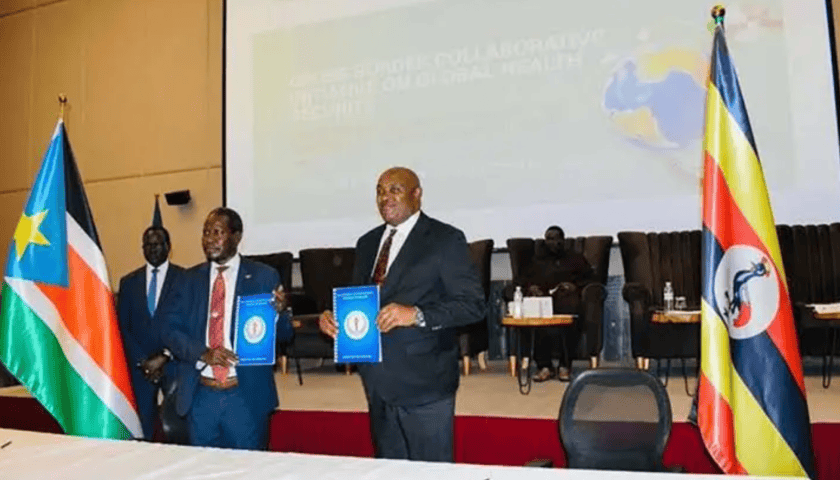
Uganda partners with South Sudan to boost disease surveillance along shared border
The agreement establishes a framework for joint action against Bundibugyo virus disease, viral haemorrhagic fevers, cholera and other infectious disease threats that could spread across the border.
-
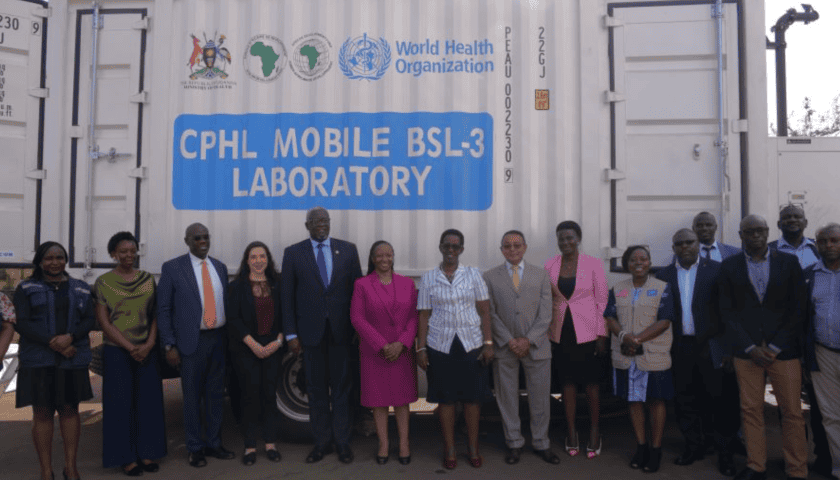
Uganda receives mobile biosafety laboratory to strengthen response to Ebola outbreak
The mobile laboratory forms part of efforts to strengthen Uganda’s public health emergency preparedness following lessons from recent Ebola outbreaks.
-
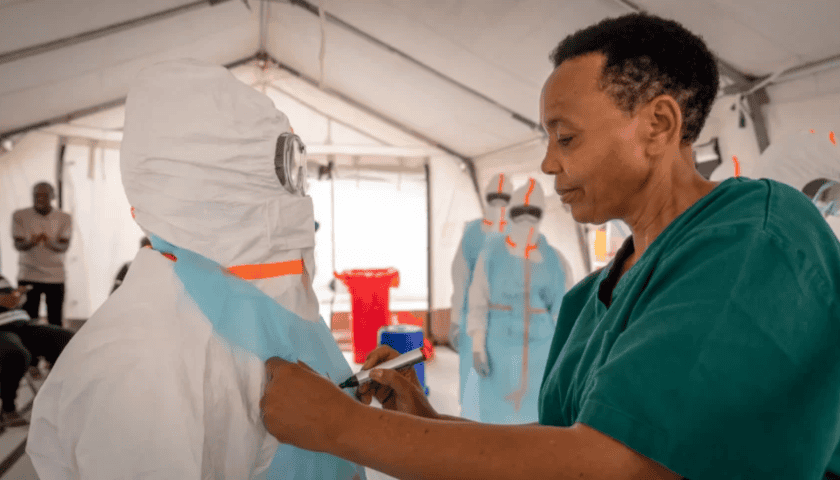
Uganda declares Ebola outbreak over after 42 days with no new cases
Uganda completed the monitoring period without detecting further transmission, providing an additional safeguard that no transmission chains linked to the imported case had been missed.
-
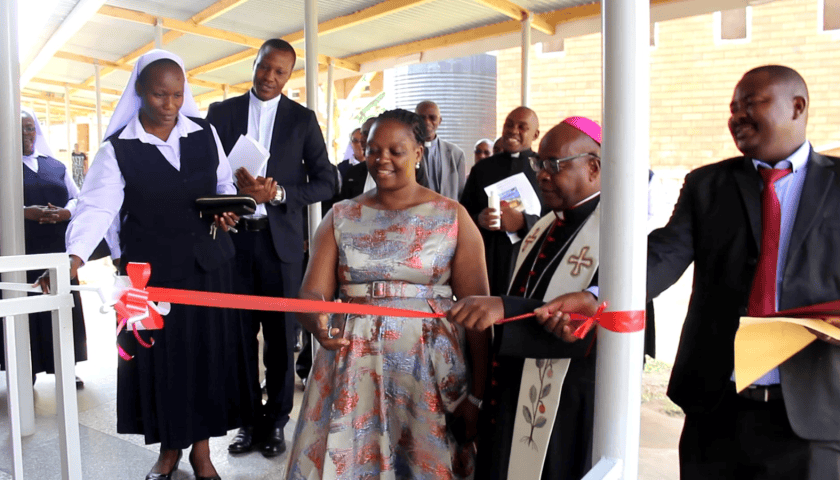
Uganda Martyrs Hospital Ibanda commissions new medical laboratory to expand diagnostic services
Previously, patients requiring tests unavailable at the hospital had to wait while their samples were transported to facilities in Mbarara.
-
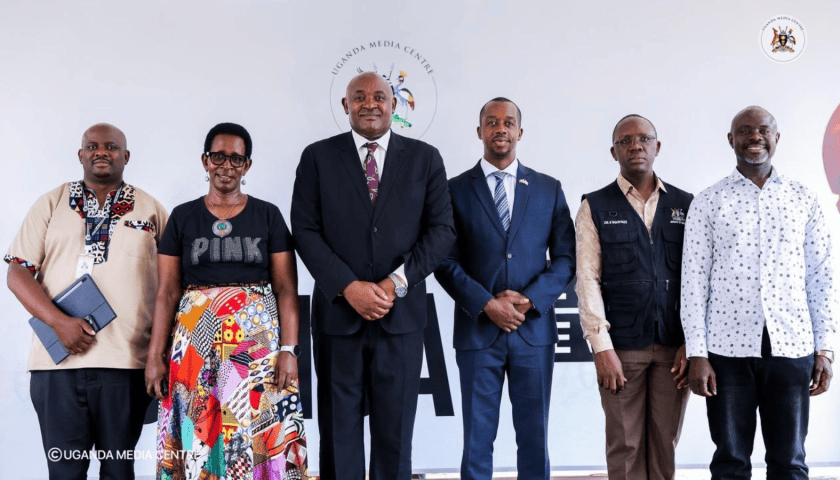
Uganda declares end of 2026 Ebola outbreak after 42 days with no new cases
Throughout the 42-day period, health authorities maintained enhanced nationwide surveillance and found no evidence of further transmission.
-

WHO launches EBO-PEP trial to test Obeldesivir for preventing Bundibugyo Ebola outbreak
The EBO-PEP platform trial, which has been under development since 2024, will evaluate several medicines as post-exposure prophylaxis for people who have had high-risk contact with filoviruses, the virus family that includes Bundibugyo Ebola.
-
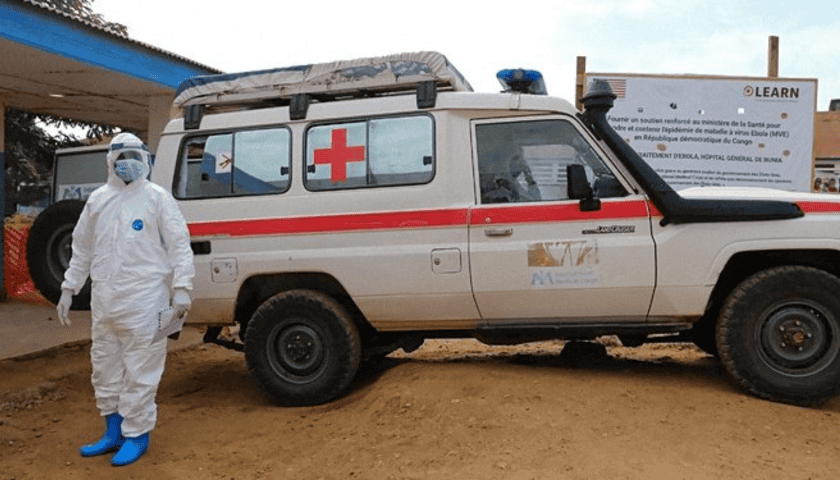
Japan pledges US$3.5M emergency grant for Ebola containment in DRC, Uganda
Japan will channel the support through the International Federation of Red Cross and Red Crescent Societies (IFRC), the World Food Programme (WFP), and the United Nations Children’s Fund (UNICEF).
-

US pledges additional US$38M for Ebola outbreak response in DRC and Uganda
This new allocation builds on earlier support, which includes US$350 million in Ebola response and broader humanitarian assistance across the DRC, South Sudan, and Uganda.
-

WHO backs three experimental drugs for Bundibugyo Ebola outbreak
The latest recommendations come as health authorities continue to battle a widening outbreak in eastern DRC, with additional confirmed cases reported in Uganda.
-

QCIL launches first local hydroxyurea production in Uganda
Health authorities estimate that approximately 20,000 babies are born with the condition each year, while nearly 30 percent of the population carries the sickle cell trait.