

artificial intelligence (AI)
-
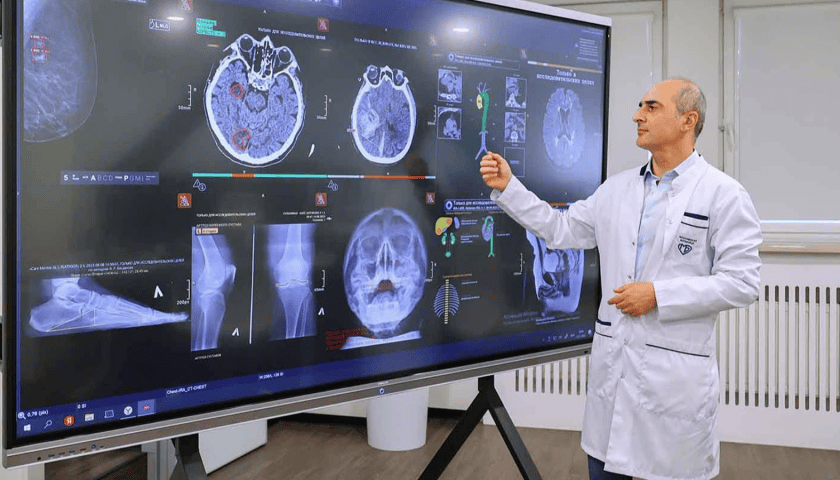
WHO explores expanded cooperation with Moscow on healthcare digitalization
Moscow has used computer vision in healthcare for more than six years, with more than 70 AI services supporting doctors in analysing medical images, including CT scans, MRI examinations, and X-rays.
-

Moscow expands AI-powered radiology platform across Russian regions
More than 2,400 medical organizations in 75 Russian regions, together with several federal medical institutions, now have access to the platform.
-

Ono Pharmaceutical partners with Aitia to advance causal AI in neurological drug discovery
The approach is intended to support drug discovery in neurology, where diseases often arise from complex interactions involving genetic, developmental, neural network, immune and environmental factors.
-

Takeda deploys Weave Bio’s AI Regulatory Platform across 14 active global drug programs
The collaboration combines Weave Bio’s artificial intelligence tools with Takeda’s regulatory expertise to simplify and speed up activities involved in preparing submissions and responding to questions from health authorities.
-

Moscow Telemedicine Center marks 30 years of advancing AI-powered diagnostics
The Center provides round-the-clock support to healthcare facilities across Moscow and analyzes more than 180,000 computed tomography (CT), magnetic resonance imaging (MRI), mammography and X-ray examinations every week.
-

UAE hospitals expand AI and connected technologies to transform patient care
Hospitals are using these technologies in areas including mammography, stroke treatment, cancer care, sepsis detection, cardiology, neonatal services and emergency triage.
-

Saudi Arabia’s Global Health Exhibition 2026 to showcase AI-driven healthcare transformation
The Kingdom’s digital health market is projected to reach US$11.07 billion by 2033, highlighting growing demand for advanced healthcare technologies.
-
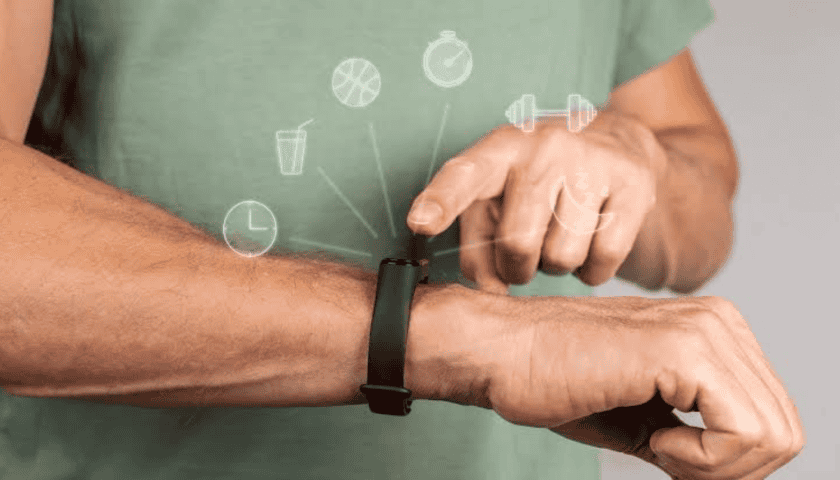
Mayo Clinic chooses Exer AI’s Exer Scan platform to modernize musculoskeletal diagnostics
Through the expanded partnership, Mayo Clinic will clinically integrate Exer AI’s hand and wrist module into its orthopaedic workflows to support musculoskeletal care.
-

Abbott partners with Google Health to bring AI-powered metabolic health insights to consumers
The AI-powered guidance will focus on building sustainable habits related to diet, physical activity, recovery and sleep, helping individuals make informed lifestyle decisions in real time.
-
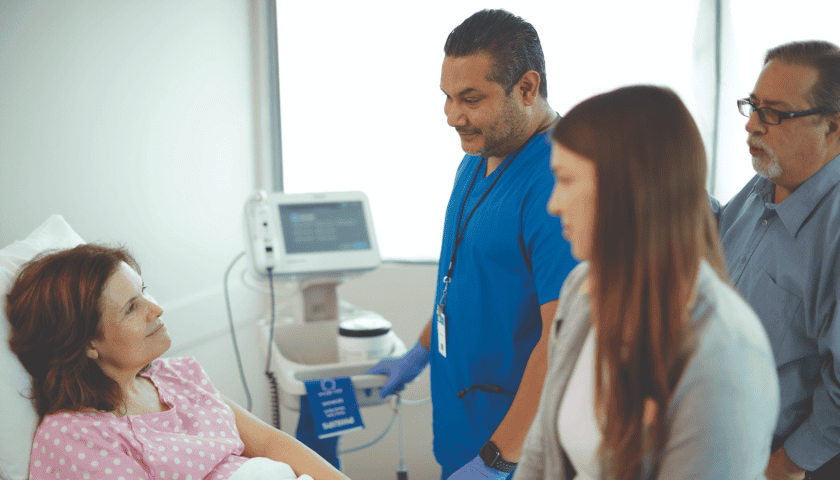
Philips expands connected patient monitoring ecosystem with six technology partnerships
The partnerships will enable healthcare providers to integrate wearable and out-of-hospital monitoring technologies into the Philips ecosystem.