

HIV/AIDS
-
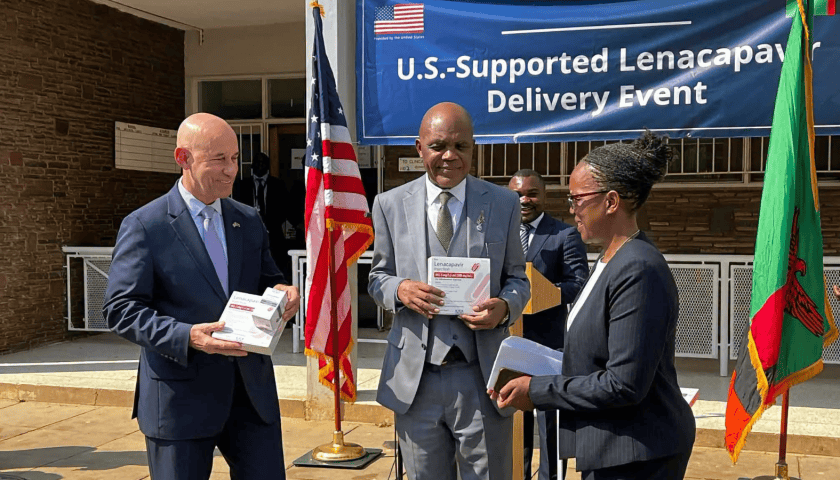
Zambia receives first US-funded Lenacapavir shipment for HIV prevention
Lenacapavir has demonstrated almost 100% efficacy in preventing HIV infection in clinical trials, giving Zambia an additional prevention option alongside existing HIV services.
-

Aspen secures African rights to MSD’s once-monthly HIV prevention pill
The agreement covers 129 countries, including all African nations, and gives Aspen rights across both public and private healthcare sectors.
-
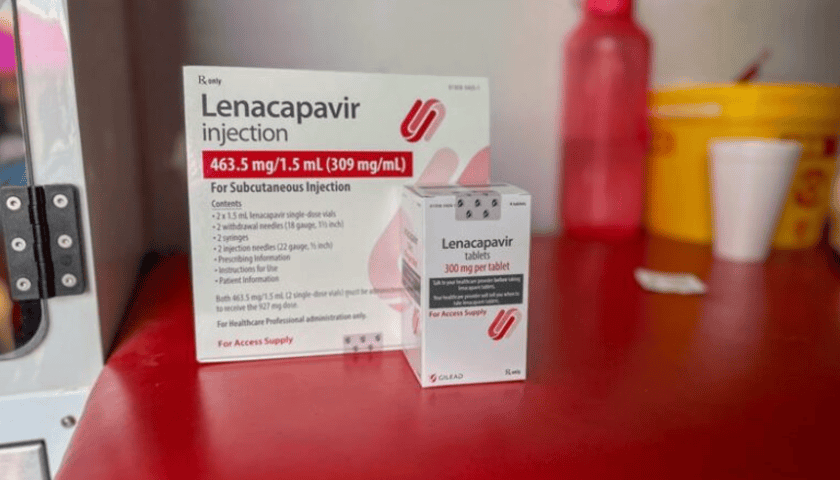
Gauteng receives 28,593 Lenacapavir packs as demand for HIV prevention rises
The replenishment will restore supplies at facilities in Tshwane, Johannesburg and Sedibeng that experienced temporary shortages after demand exceeded initial projections following the programme’s rollout in June 2026.
-
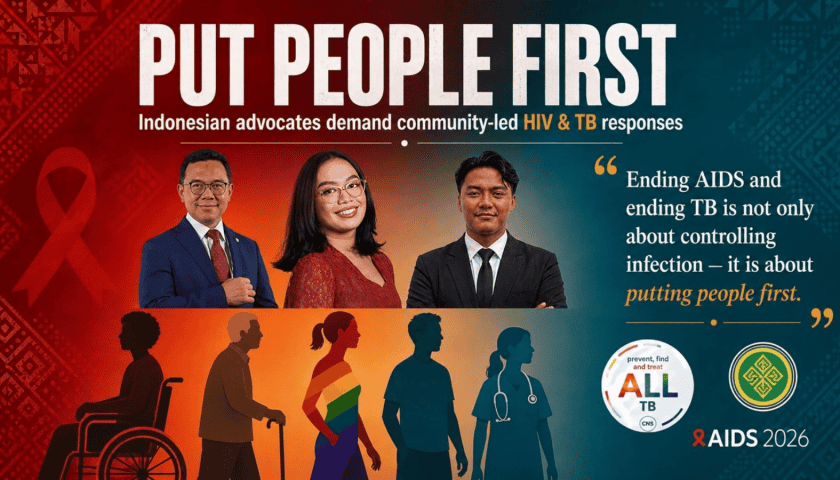
Indonesia calls for people-centred HIV & TB response ahead of 2030 goals
Community advocacy contributed to an Indonesian Ministry of Health regulation that allows young people under 18 to be accompanied not only by parents but also by community members and outreach workers when accessing HIV testing.
-

Cambodia becomes first in Asia-Pacific to achieve 95-95-95 HIV targets
The 95-95-95 targets aim for 95% of people living with HIV to know their status, 95% of those diagnosed to receive antiretroviral treatment, and 95% of those receiving treatment to achieve viral suppression.
-

UCL signs MSD licensing deal for investigational monthly HIV prevention pill
The licensing agreement will allow UCL to manufacture and supply generic alimatravir in African countries and other markets covered by the agreement, subject to successful clinical development and regulatory approval.
-

Africa CDC endorses MSD licensing agreement for monthly oral PrEP candidate MK-8527
Under the agreements, MSD will work with Aspen Pharmacare in South Africa, Quality Chemicals Industries Limited (QCIL) in Uganda and Universal Corporation Limited (UCL) in Kenya.
-

Merck signs early voluntary licenses for investigational monthly HIV prevention pill
The agreements are nonexclusive and cover Aspen Pharmacare, Quality Chemical Industries and UCL Kenya in sub-Saharan Africa, as well as Aurobindo, Cipla, Emcure and Viatris in India.
-

WHO updates pediatric antiretroviral dosing guidelines to expand HIV treatment for children
The guidance updates dosing recommendations for several widely used paediatric antiretroviral medicines, including dolutegravir and the combination of abacavir and lamivudine.
-

Gilead, Merck present pivotal Phase 3 Islend data for first once-weekly oral HIV regimen
Researchers presented the findings at the 26th International AIDS Conference in Rio de Janeiro, Brazil.