

Africa CDC
-

Africa CDC endorses MSD licensing agreement for monthly oral PrEP candidate MK-8527
Under the agreements, MSD will work with Aspen Pharmacare in South Africa, Quality Chemicals Industries Limited (QCIL) in Uganda and Universal Corporation Limited (UCL) in Kenya.
-
Africa CDC signs landmark partnership with PSI to boost continental health security
The partnership combines Africa CDC’s continental leadership in health security with PSI’s experience in working with governments, communities and partners to design and scale people-centred healthcare solutions.
-

Africa CDC releases new toolkit to combat hepatitis B burden
Africa CDC developed the resource through its Hepatitis B Group of Experts, in collaboration with the Centre for Operational Research on Hepatitis B, HEPSANET and the Society for the Study of Liver Disease in Africa.
-
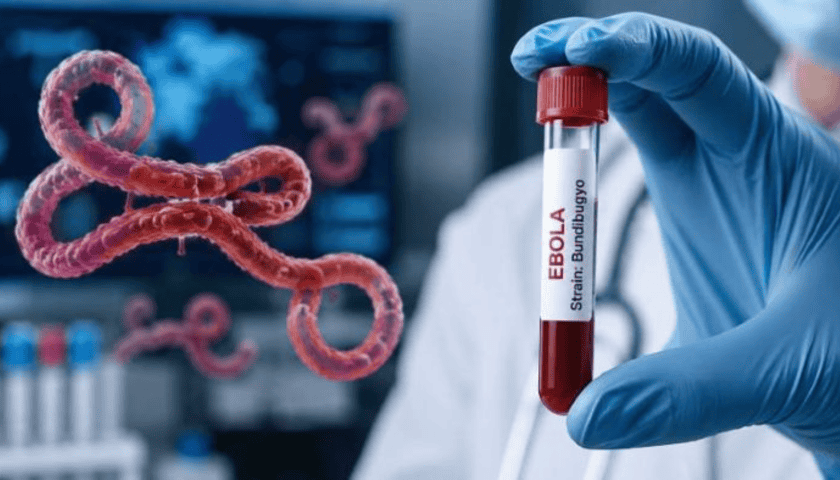
Africa CDC urges US to lift Ebola-related entry restrictions on Uganda
The country has also discharged its last Ebola patient and entered the 42-day countdown required to declare the outbreak over.
-
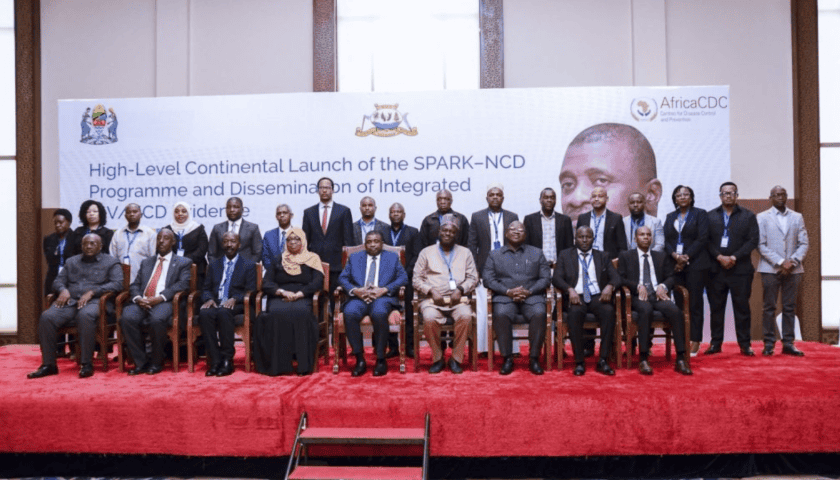
Africa CDC launches the SPARK-NCD program to strengthen chronic disease surveillance across Africa
The new Strengthening Public Health Surveillance and Resilient Knowledge for Non-Communicable Diseases in Africa (SPARK-NCD) programme aims to improve disease surveillance, workforce capacity, and integrated care across the continent.
-

Africa CDC strengthens scientific leadership with appointment of Prof. Placide Mbala
The appointment comes as Africa intensifies efforts to strengthen its response to the ongoing Ebola outbreak while accelerating the development of African-led medicines, vaccines and outbreak-ready innovations.
-
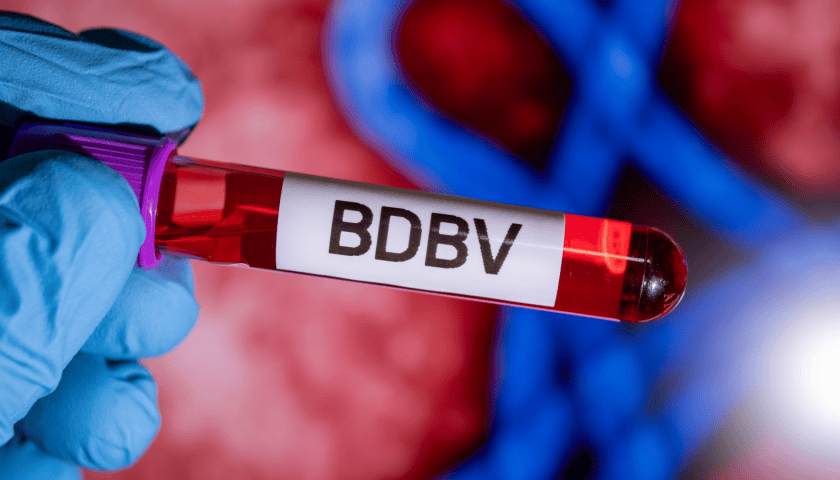
Africa CDC appeals for US$18 M to fund Ebola therapeutic trials
Unlike previous Ebola epidemics caused by the Zaire strain, the current Bundibugyo outbreak has no licensed vaccine or approved treatment, making research an urgent public health priority.
-
Africa CDC secures historic Pandemic Fund accreditation as direct implementing entity
This decision follows a recommendation from the Pandemic Fund’s Accreditation Panel and positions Africa CDC among a select group of institutions authorised to directly receive, manage, and deploy Pandemic Fund resources.
-
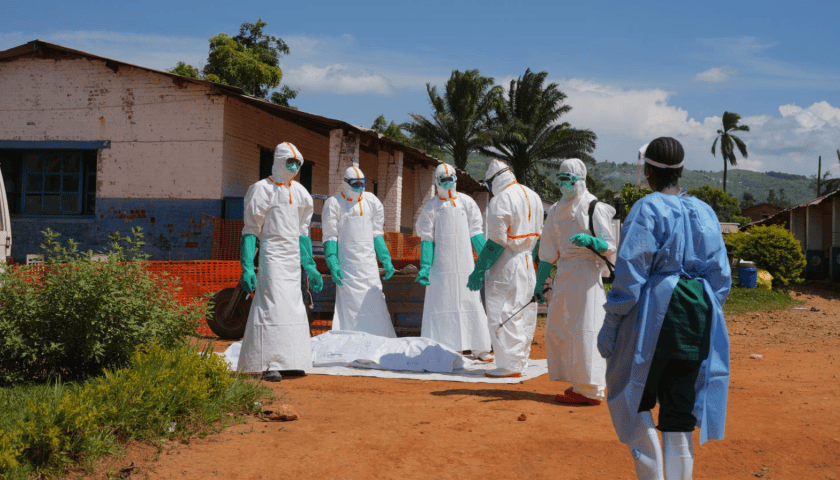
European Commission allocates US$12.54M to Africa CDC to scale up genomic Ebola outbreak response
The initiative focuses on expanding genomic sequencing capacity, improving molecular diagnostics, and enhancing real-time disease surveillance across African health systems.
-
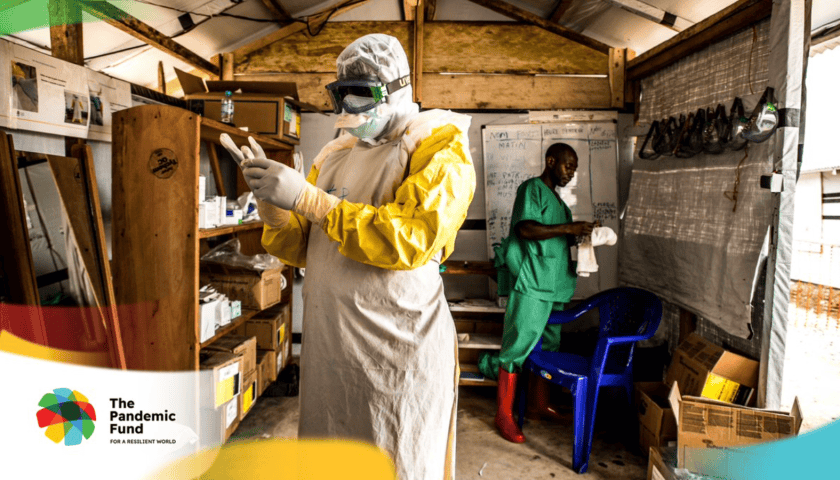
Africa CDC secures US$220.6M Pandemic Fund grant for Ebola
The financing will also reinforce critical pillars of outbreak control, including disease surveillance, laboratory diagnostics, infection prevention and control, and cross-border coordination mechanisms.