
Partnerships & Mergers
-
Exegenesis Bio licenses EMC181 capsid to Modalis Therapeutics for DMD gene therapy
Exegenesis Bio designed EMC181 to improve the delivery of genetic medicines to muscle tissue while limiting exposure to the liver.
-

Ono Pharmaceutical partners with Aitia to advance causal AI in neurological drug discovery
The approach is intended to support drug discovery in neurology, where diseases often arise from complex interactions involving genetic, developmental, neural network, immune and environmental factors.
-
Takeda deploys Weave Bio’s AI Regulatory Platform across 14 active global drug programs
The collaboration combines Weave Bio’s artificial intelligence tools with Takeda’s regulatory expertise to simplify and speed up activities involved in preparing submissions and responding to questions from health authorities.
-
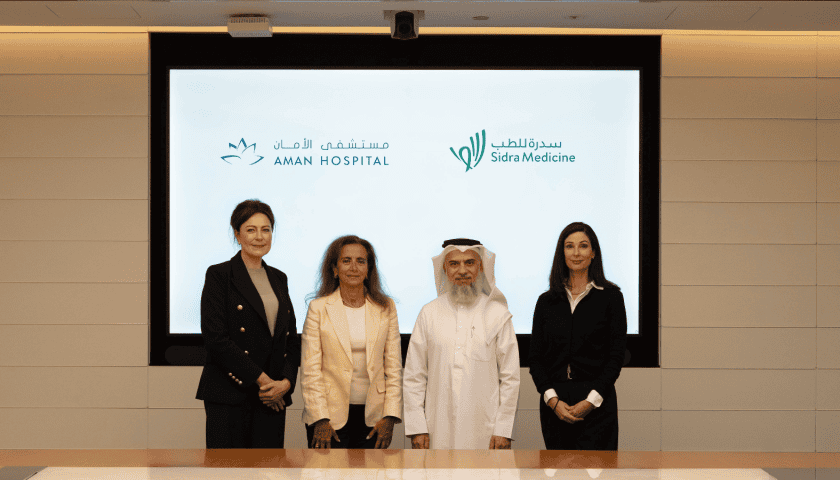
Sidra Medicine signs strategic agreement with Aman Hospital to elevate Qatar’s integrated healthcare delivery
The agreement establishes a framework for broader cooperation between the two institutions as they respond to changing healthcare needs in Qatar.
-

Alan acquires Senegalese healthtech company Tanel in first African expansion
The platform has grown to serve about 70,000 members across more than 400 companies and connects users with more than 1,200 pharmacies and healthcare providers in the two countries.
-

Sidra Medicine partners with Pearl International Hospital to expand access to cord blood banking in Qatar
The hospital will coordinate the collection, while Sidra Medicine will process and store the samples at its specialized Good Manufacturing Practice (GMP) facility, which houses Qatar’s only cord blood bank.
-
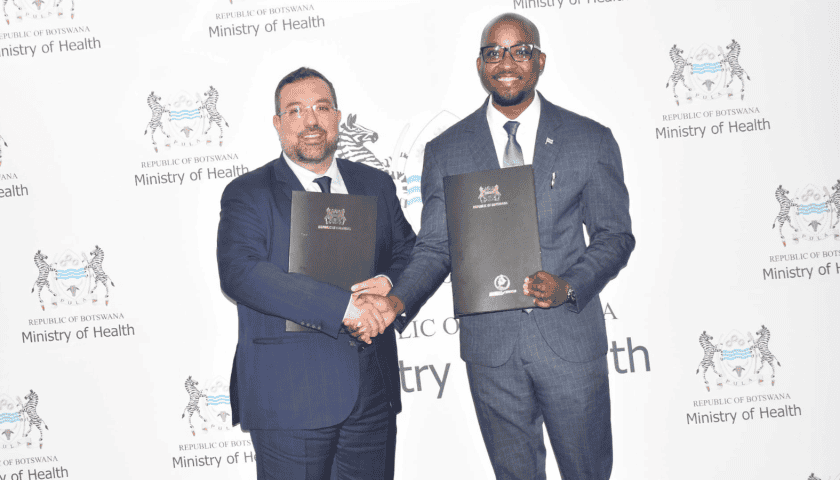
M42 forms 10-year digital health and genomics alliance in Botswana
Under the partnership, M42 will support Botswana’s efforts to transform its healthcare system through digital health, genomics, precision medicine and workforce development.
-
Bupa Arabia renews partnership to promote health through Saudi football
Through its collaboration with Thmanyah, Bupa Arabia aims to make discussions about health and wellbeing more relevant to people’s everyday lives.
-

WHO inks two-year agreement with Peking University to strengthen global health emergency preparedness
The agreement builds on Peking University’s longstanding involvement in global health research and public health capacity development.
-
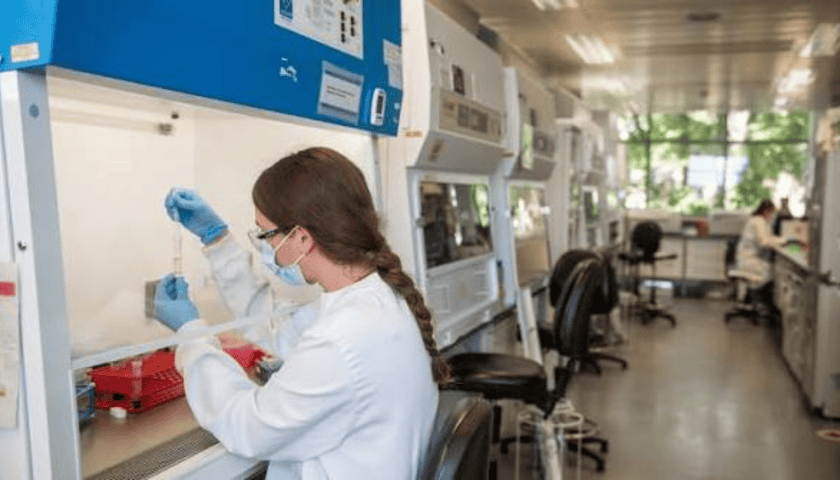
Charles River collaborates with Medigen on next-generation multivalent enterovirus vaccine
As part of the agreement, Charles River will use technologies such as next-generation sequencing (NGS) to support chemistry, manufacturing and controls (CMC) activities associated with the vaccine programme.