

Qatar
-

Sidra Medicine partners with QPHI for Qatar’s Precision Medicine Summit 2026
QPHI will work with Sidra Medicine to shape the summit’s scientific programme and strengthen discussions on translating genomic research into clinical applications and preventive healthcare.
-
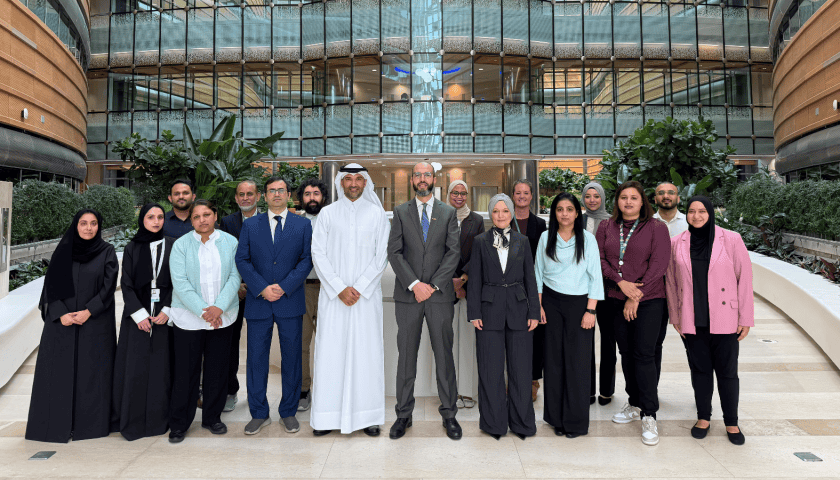
Sidra Medicine develops Middle East’s first population-scale genetic regulation atlas in Qatar
Although genome sequencing has expanded worldwide, scientists still lack a clear understanding of how many genetic variations affect gene activity and contribute to disease.
-
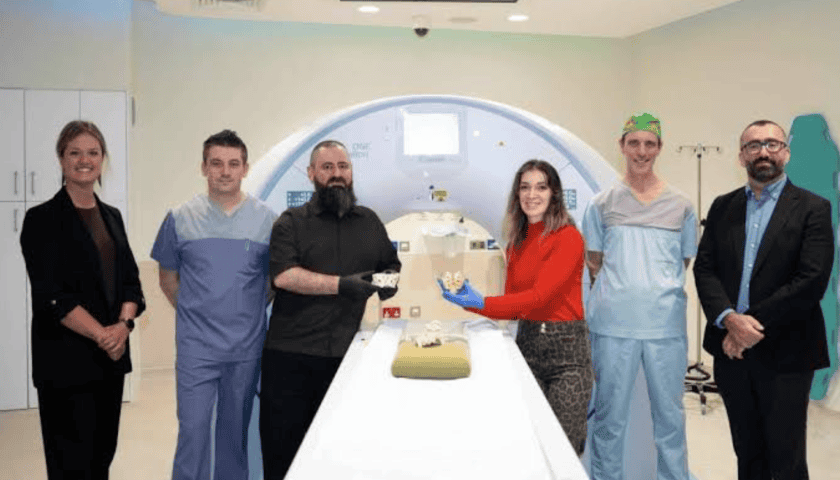
Sidra Medicine partners with Qatar Museums to identify evidence of spina bifida in Qatar’s prehistoric remains
The multidisciplinary project combines archaeology, radiology and molecular research to examine human remains recovered from Umm Al Maa and Al Kharsaah, with international research institutions contributing expertise.
-

Baxter launches Connex 360 Vital Signs Monitor in Qatar to advance digital healthcare
The launch aligns with Qatar’s healthcare transformation agenda under Qatar National Vision 2030 and the National Health Strategy 2024–2030, known as Health for All.
-
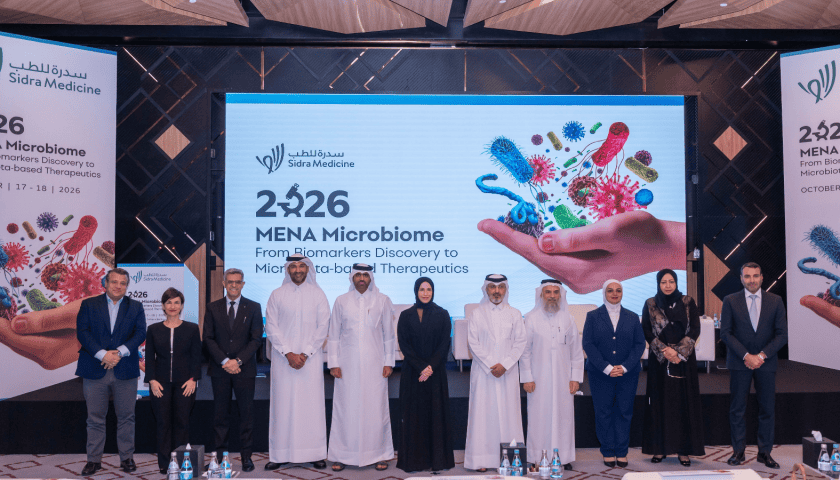
Sidra Medicine calls for faster clinical adoption of microbiome research at MENA Microbiome 2026
The two-day conference brought together international scientists and healthcare professionals to discuss the role of the microbiome in disease, advances in rapid metagenomics, antimicrobial resistance (AMR), and new approaches to predicting and managing sepsis.
-
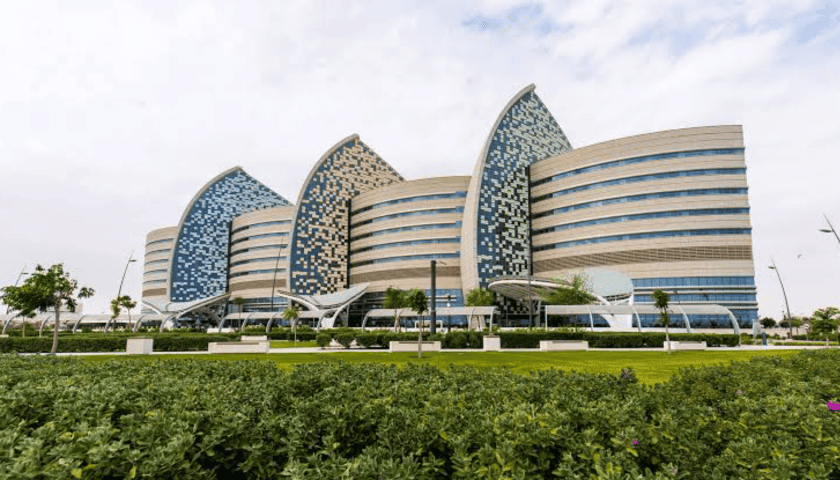
Sidra Medicine to convene regional diabetes experts in Qatar in November
The key topics that will be covered will include diabetes technology, early intervention for type 1 diabetes, childhood obesity, precision medicine and therapies for rare endocrine conditions.
-
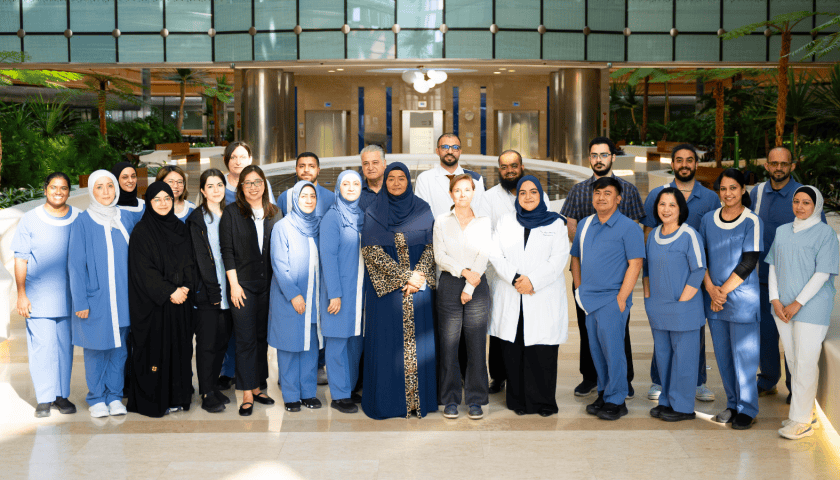
Sidra Medicine introduces two neuroblastoma therapies for children in Qatar
Neuroblastoma is a cancer that develops in immature nerve cells and most commonly affects infants and young children.
-
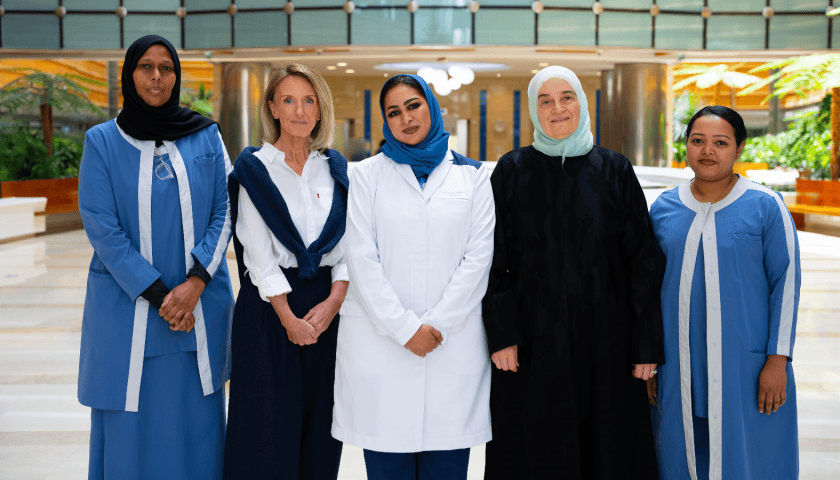
Sidra Medicine expands pediatric care with private home visits in Qatar
The Pediatric Private Home Visits: Wellness and Vaccinations program covers routine services that support children’s health and development.
-
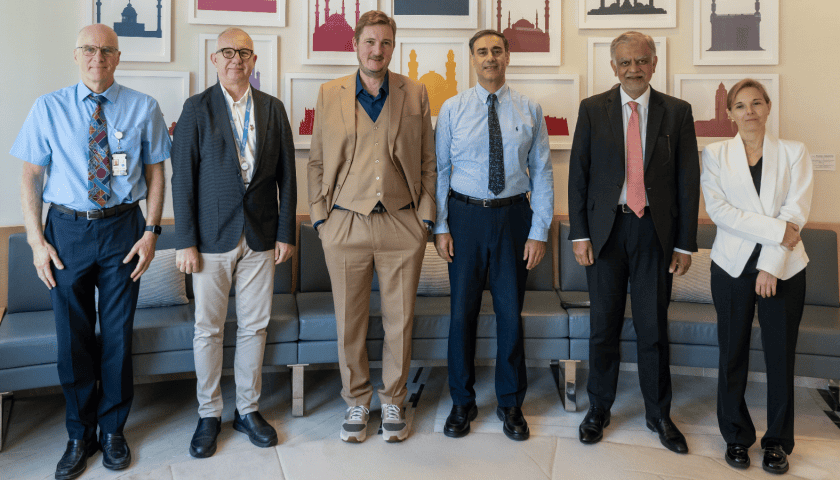
Sidra Medicine expands precision cancer care for children in Qatar through genomic research
Over the past five years, the program has expanded its molecular diagnostic capabilities and introduced expedited genomic oncology profiling to provide oncologists with timely information when treatment decisions are urgent.
-

Sidra Medicine to host PMFG Summit 2026 in Qatar
Sessions will examine the use of generative AI to develop drug candidates, quantum computing for genomic analysis and deep learning models for assessing disease risk across national populations.