

Eli Lilly expands cancer drug pipeline through US$5.9B Stipple Bio deal
Stipple Bio will also be eligible for research, product development and commercialisation milestone payments, alongside tiered royalties on sales if Lilly successfully brings products from the collaboration to market.
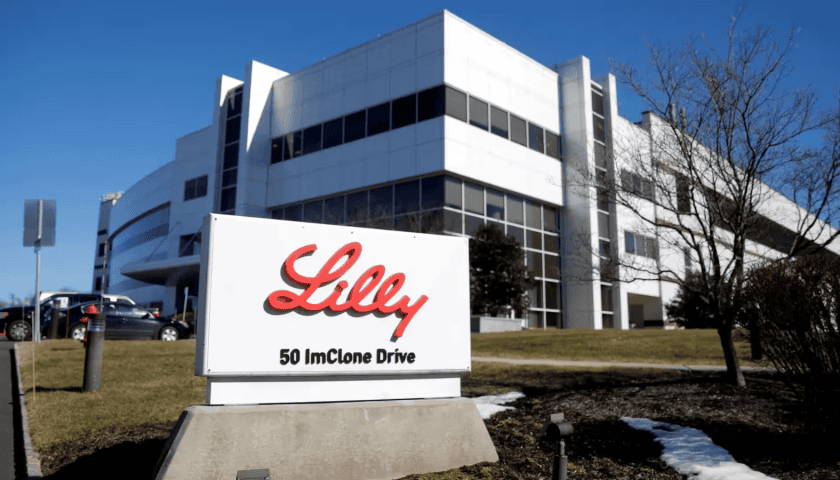
USA—Eli Lilly has entered an oncology research and licensing agreement with Stipple Bio worth up to US$5.9 billion to expand its precision cancer treatment pipeline and develop therapies that selectively target tumour cells.
The agreement gives Lilly access to Stipple Bio’s Pointillist platform, which identifies tumour-specific cell surface epitopes.
These are specific parts of antigens recognised by the immune system and can serve as targets for therapies designed to distinguish cancer cells from healthy tissue.
Stipple aims to use the technology to develop targeted treatments that improve efficacy while reducing on-target, off-tumour toxicity, a challenge in cancer drug development where therapies can also damage healthy cells.
Deal structure and development rights
Although the companies have not disclosed the breakdown of the US$5.9 billion transaction, the agreement includes an upfront payment and an equity investment by Lilly in Stipple Bio.
The biotechnology company will also be eligible for research, product development and commercialisation milestone payments, alongside tiered royalties on sales if Lilly successfully brings products from the collaboration to market.
In return, Lilly will secure worldwide rights to develop and commercialise products emerging from the partnership.
The pharmaceutical company plans to combine Stipple’s platform with its proprietary oncology technologies to develop compounds with improved therapeutic indices across multiple treatment modalities.
A higher therapeutic index indicates a wider margin between a drug’s effective dose and the dose that causes harmful effects, making it an important consideration in developing safer cancer treatments.
ADC programme targets solid tumours
Stipple Bio plans to initiate a Phase I clinical trial in early 2027 for an antibody-drug conjugate (ADC) targeting solid tumours, including pancreatic cancer.
ADCs combine antibodies that recognise specific targets on cancer cells with potent drugs designed to destroy them.
Their effectiveness depends partly on identifying suitable tumour-specific targets while limiting exposure to healthy tissue.
Stipple Bio CEO Jeff Landau said the company was founded on the premise that precision at the epitope level could help distinguish cancer cells from healthy tissue.
He noted that this approach could expand the range of therapeutic targets available to drug developers, particularly those whose presence on healthy cells has historically restricted their clinical use.
Lilly expands oncology investment
The agreement marks Lilly’s second major transaction of the week, following its US$1.5 billion acquisition of rare blood cancer biotechnology company Calytrix Bio.
The latest deal continues Lilly’s active acquisition strategy in 2026 as pharmaceutical companies increasingly turn to biotechnology partnerships and acquisitions to strengthen their pipelines and access emerging technologies.
In March, Lilly agreed to acquire sleep disorder drug developer Centessa Pharmaceuticals for US$7.8 billion, one of its largest transactions this year.
The Stipple partnership adds another precision oncology platform to Lilly’s development portfolio, with the potential to expand its access to tumour-specific targets and antibody-based treatment technologies.

Be the first to leave a comment