

Mayo clinic
-

Mayo Clinic study uncovers mechanism behind resistance to HER2 breast cancer drug
The researchers say the finding could help guide the development of more targeted treatment combinations for patients whose tumors produce the protein.
-

Mayo Clinic chooses Exer AI’s Exer Scan platform to modernize musculoskeletal diagnostics
Through the expanded partnership, Mayo Clinic will clinically integrate Exer AI’s hand and wrist module into its orthopaedic workflows to support musculoskeletal care.
-

Mayo Clinic expands Middle East footprint with opening of Riyadh Representative Office
The new office strengthens Mayo Clinic’s presence in the Middle East and provides a direct link between patients in Saudi Arabia and its medical campuses in the US and UK.
-

GE HealthCare leverages MIM software to advance personalized oncology with Mayo Clinic
Researchers will use GE HealthCare’s StarGuide SPECT/CT imaging system together with MIM Software’s MIM LesionID Pro platform to monitor how tumours respond throughout treatment.
-

Mayo Clinic discovers hormone replacement improves tirzepatide obesity treatment
Researchers found that postmenopausal women taking hormone therapy while receiving tirzepatide lost approximately 35% more weight than women treated with tirzepatide alone.
-
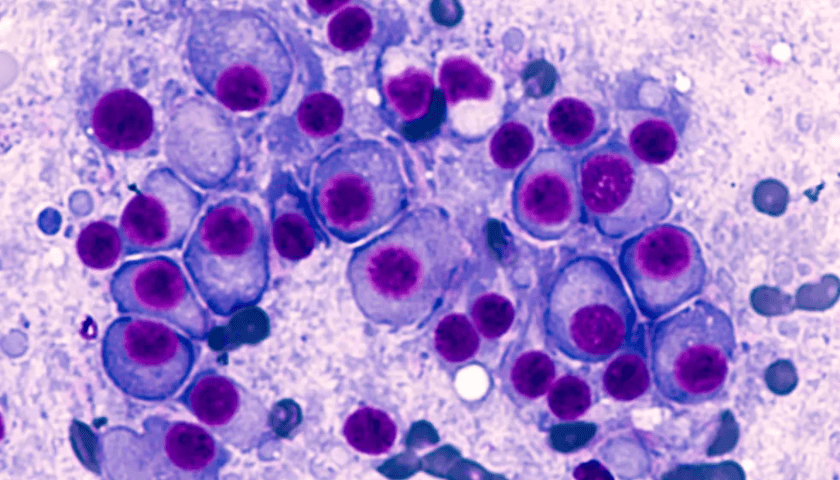
Mayo Clinic’s NEJM study advances precision oncology for relapsed myeloma
Unlike CAR-T therapy, which requires patient-specific cell modification and lengthy manufacturing, this treatment is delivered as a ready-to-use infusion, making it more accessible in standard hospital settings.
-

Mayo Clinic Study introduces standardized definition for rapidly progressive dementia
Unlike most forms of dementia, which typically worsen gradually over many years, RPD progresses at an alarming pace and can lead to severe disability or death within one to two years.
-

Mayo Clinic identifies key DNA changes driving Alzheimer’s patient variability
Researchers found that nearly all major DNA methylation changes were associated with tau accumulation rather than amyloid plaques.
-

Mayo Clinic Study links alpha-synuclein protein to faster Alzheimer’s progression in women
Alzheimer’s disease is characterized by the accumulation of tau protein in the brain, which gradually damages nerve cells and impairs memory and cognitive function.
-

Mayo Clinic launches intelligent PSA control tower for prostate cancer care
Built on the Mayo Clinic Platform, the system operates within a secure environment where Mayo Clinic teams can access large volumes of de-identified patient data.