

Ethiopia
-

WHO Africa unveils Regional Health Data Hub to centralize African public health data
The RDHUB, launched during the 76th session of the WHO Regional Committee for Africa in Addis Ababa from 25 to 27 August 2026, connects information from different health programmes and systems.
-

Ethiopia’s Health Minister elected Chairperson of WHO Africa Regional Committee
As Chairperson, Dr. Mekdes will lead deliberations and decision-making among the 47 Member States of the WHO African Region throughout the session.
-

WHO African Region Ministers convene in Ethiopia to shape health agenda
During the session, participants are reviewing progress, addressing emerging health challenges and considering strategies to strengthen health systems and improve health outcomes across the continent.
-

Ethiopia strengthens medical device regulation through WHO-supported assessment
The assessment, conducted from July 27–31, 2026, evaluated the country’s regulatory strengths and gaps and will support updates to EFDA’s Institutional Development Plan.
-
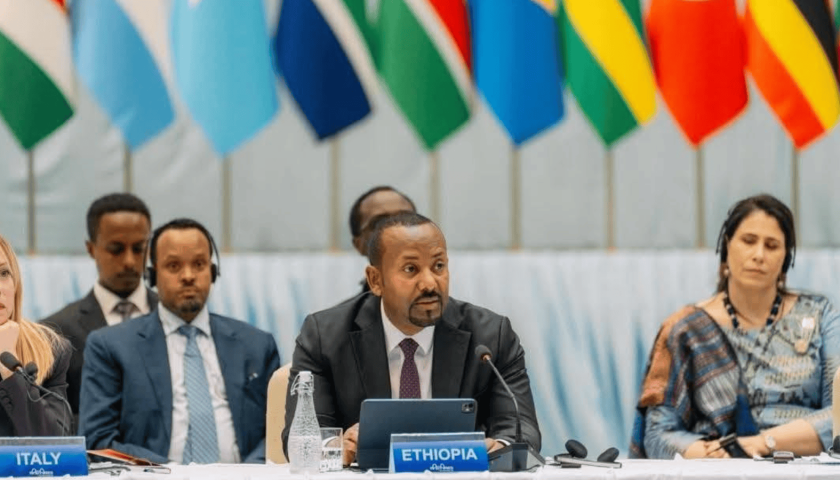
Ethiopia to host WHO Africa Regional Committee meeting in Addis Ababa
More than 600 delegates are expected to attend the Region’s main annual forum for health governance and policymaking.
-
Africa CDC signs landmark partnership with PSI to boost continental health security
The partnership combines Africa CDC’s continental leadership in health security with PSI’s experience in working with governments, communities and partners to design and scale people-centred healthcare solutions.
-

Africa CDC releases new toolkit to combat hepatitis B burden
Africa CDC developed the resource through its Hepatitis B Group of Experts, in collaboration with the Centre for Operational Research on Hepatitis B, HEPSANET and the Society for the Study of Liver Disease in Africa.
-

Africa CDC urges US to lift Ebola-related entry restrictions on Uganda
The country has also discharged its last Ebola patient and entered the 42-day countdown required to declare the outbreak over.
-
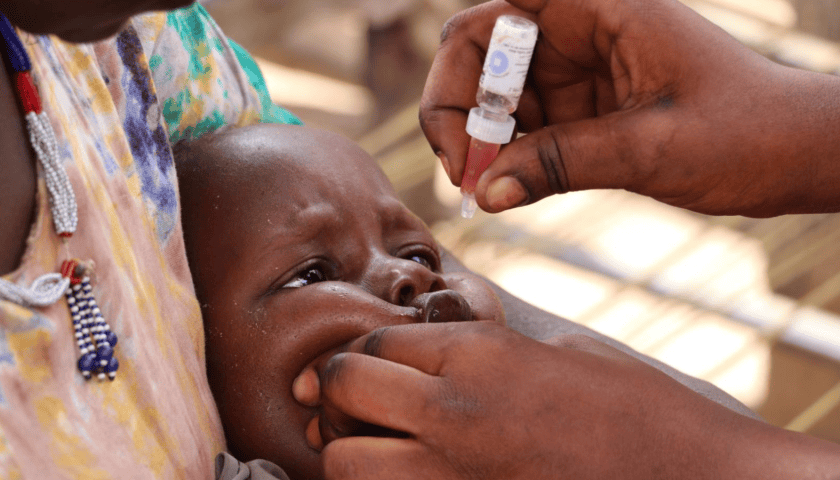
Ethiopia vaccinates over 1M children in synchronized polio campaign along South Sudan border
The initiative focused on border communities, refugee camps, and other vulnerable areas where frequent cross-border movement increases the risk of disease transmission.
-
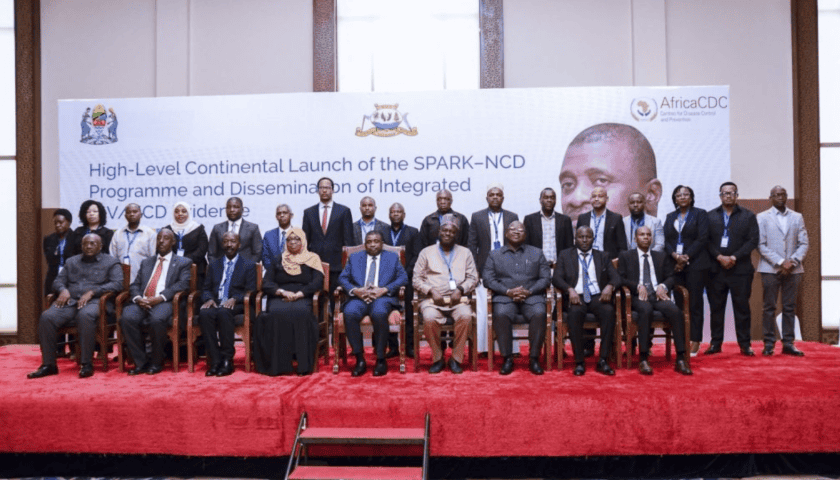
Africa CDC launches the SPARK-NCD program to strengthen chronic disease surveillance across Africa
The new Strengthening Public Health Surveillance and Resilient Knowledge for Non-Communicable Diseases in Africa (SPARK-NCD) programme aims to improve disease surveillance, workforce capacity, and integrated care across the continent.