

Research, Science & development
-
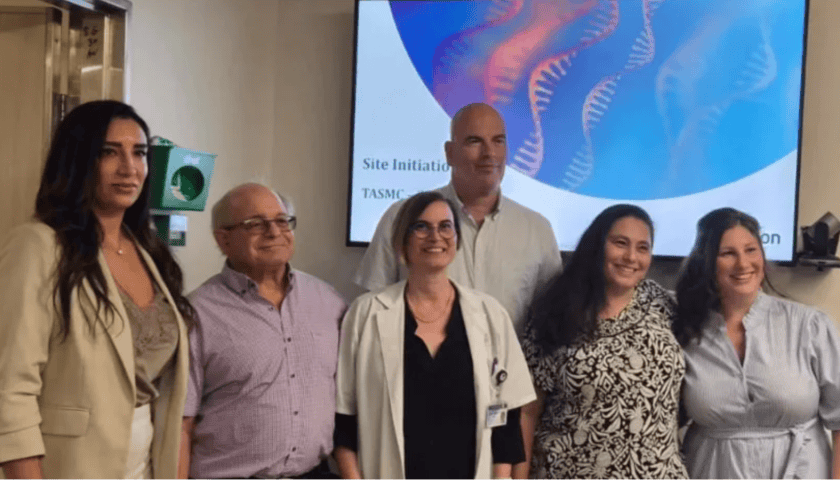
Tel Aviv Sourasky Medical Center launches first global clinical trial of Silexion’s KRAS-targeting therapy for pancreatic cancer
The clinical trial will assess SIL204, an investigational treatment developed by Silexion using small interfering RNA (siRNA) technology.
-
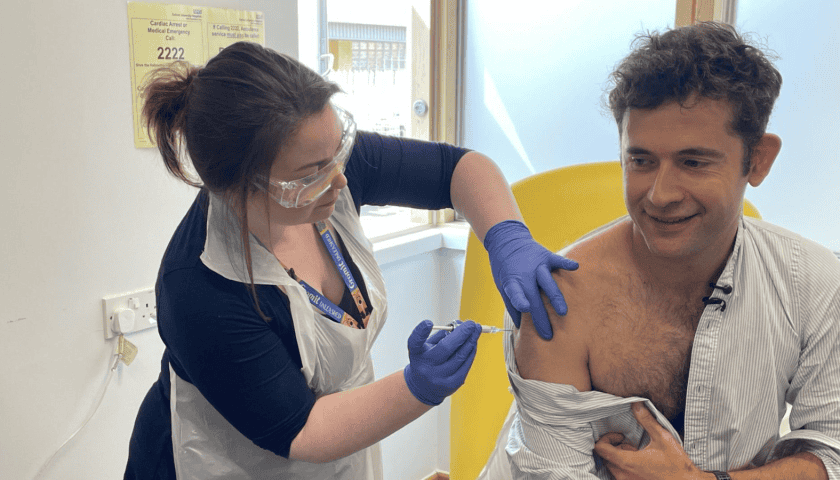
Oxford begins human trials for the experimental Bundibugyo Ebola vaccine
The experimental vaccine was developed by scientists at the University of Oxford using the same vaccine technology employed in the Oxford-AstraZeneca COVID-19 vaccine.
-

Sidra Medicine research shows maternal diet shapes child health through epigenetics
Researchers found that women who delivered prematurely consumed significantly lower amounts of protein, vitamins and essential minerals than those who carried their pregnancies to term.
-
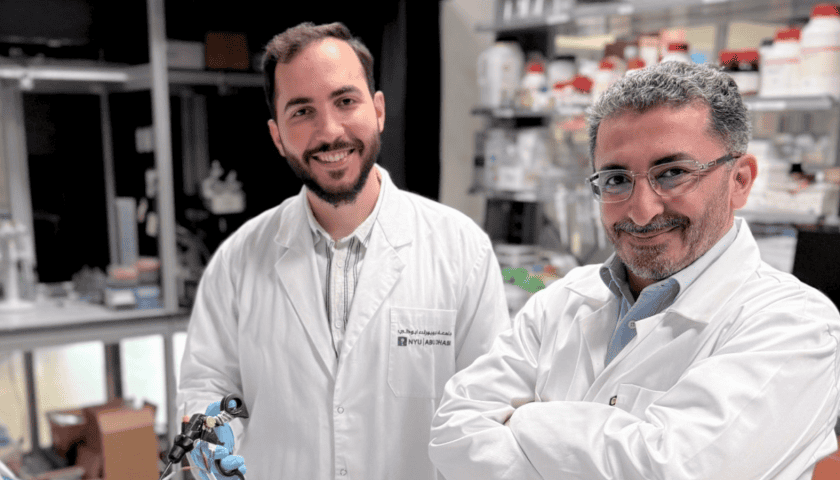
NYU Abu Dhabi researchers uncover hidden vulnerability in malaria parasite
This highly specific dependence could provide an opportunity for researchers to investigate new approaches to malaria treatment by targeting the parasite’s ability to obtain or use these fats.
-
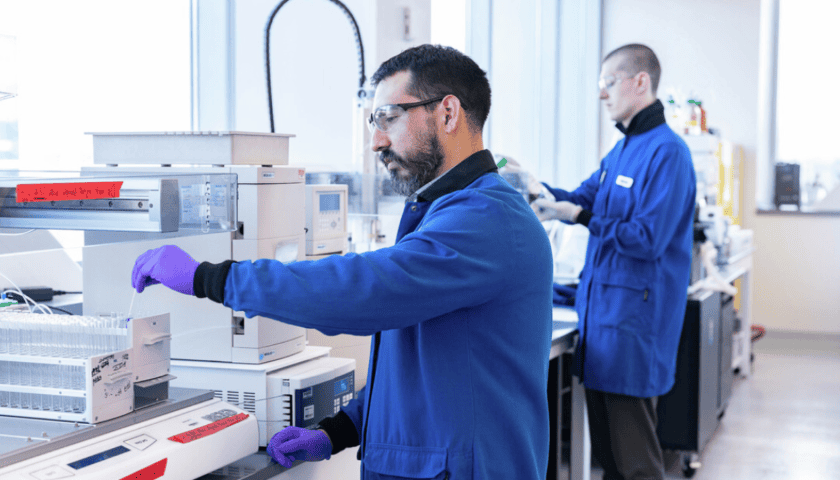
Gilead, Merck present pivotal Phase 3 Islend data for first once-weekly oral HIV regimen
Researchers presented the findings at the 26th International AIDS Conference in Rio de Janeiro, Brazil.
-
Evogene collaborates with Blavatnik Center to advance Israeli biotech ecosystem
Under the agreement, researchers will gain access to an integrated platform that combines Evogene’s AI-powered computational chemistry engine, ChemPass AI, with the BCDD’s laboratory infrastructure and drug discovery expertise.
-

Anthropic expands AI for drug discovery with launch of Claude Science research workbench
Researchers can use the platform to design CRISPR screening experiments, analyse single-cell RNA sequencing data and generate three-dimensional protein structures, chemistry drawings and genome browser tracks.
-
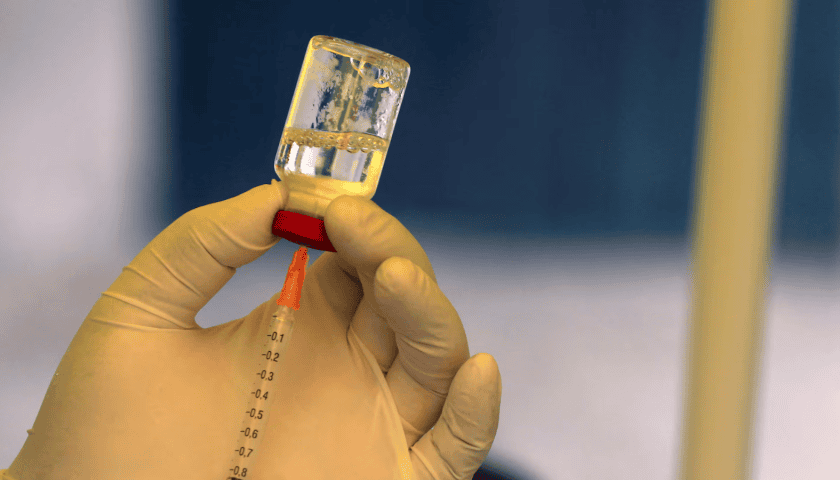
US HHS releases experimental MBP134 antibody for Ebola response in DRC
The announcement follows growing calls from public health advocates and humanitarian organizations urging the US government to share available supplies of MBP134 to support outbreak control efforts in Central Africa.
-

CureGene administers first patient in pivotal US trial of antiplatelet Evategrel
Researchers will assess the drug’s efficacy and safety in patients with acute coronary syndrome (ACS), recent myocardial infarction, ischemic stroke, and peripheral arterial disease.
-
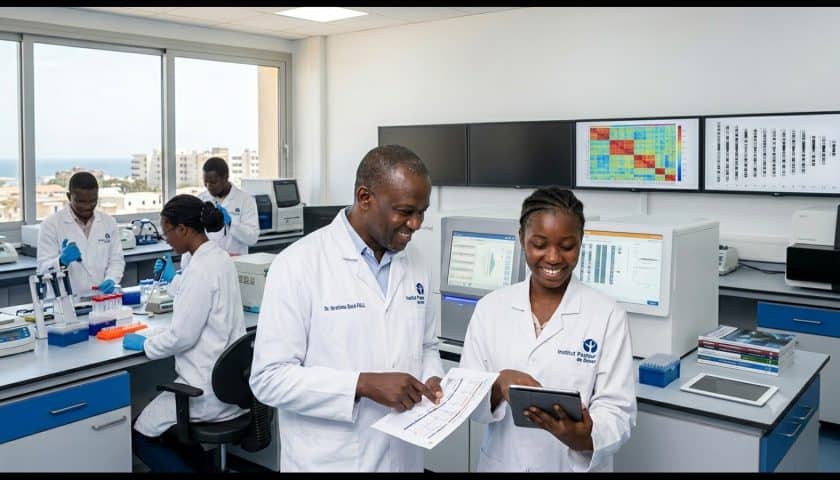
Senegal’s Institut Pasteur de Dakar sequences first 40 human genomes
The development comes nearly two decades after the first human genome draft was completed in 2001 and a decade after Africa’s first human genome sequencing effort in South Africa in 2013.