

Japan
-

GSK gains first global approval for Bepirovirsen as Japan clears new hepatitis B functional cure
The antisense oligonucleotide (ASO) medicine, which GSK will market in Japan as Hibsago, is approved for adults with hepatitis B who meet specified viral markers.
-
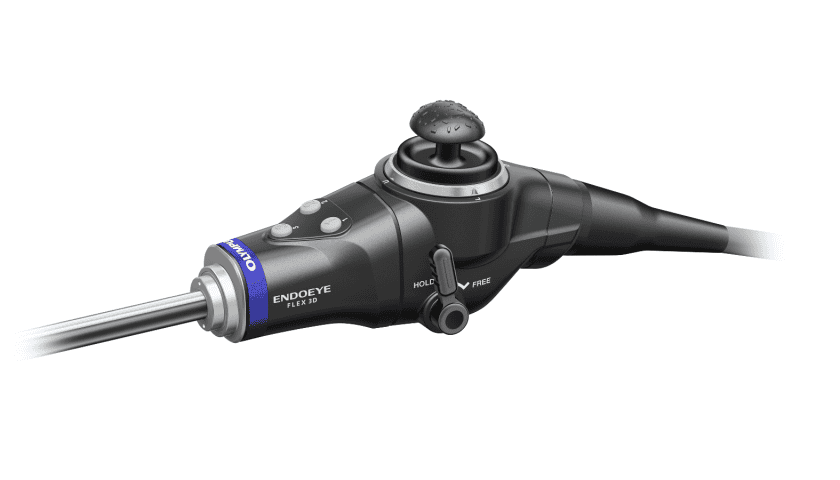
Olympus launches ENDOEYE FLEX 3D videoscope for advanced endoscopic surgery
The new videoscope combines 4K, 3D and infrared (IR) imaging in a single device, allowing surgeons to switch between observation modes without changing scopes.
-
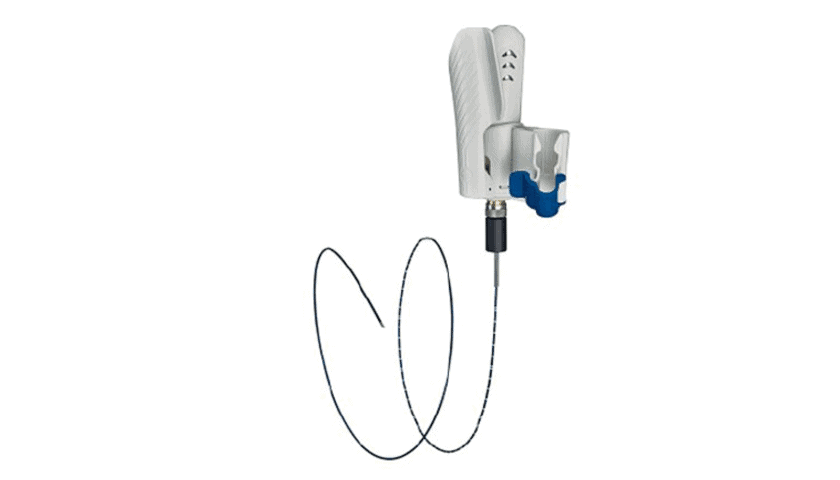
Olympus to distribute Endocision’s Celsio Cryocatheter globally for bronchoscopy procedures
The device uses controlled freezing to adhere to and remove targeted tissue or foreign material, enabling clinicians to perform both diagnostic and therapeutic interventions through a bronchoscope.
-

Eisai licenses preclinical oncology programmes to CORE Biomedicine
Under the agreement, CORE Biomedicine will evaluate and develop the licensed programmes with the aim of creating targeted treatments for a wider range of cancer patients.
-

Tanabe Pharma sells manufacturing unit and 17 off-patent drugs to Towa Pharmaceutical
The transaction, announced on July 3, includes Tanabe Pharma Factory’s production facilities in Onoda and Yoshitomi.
-
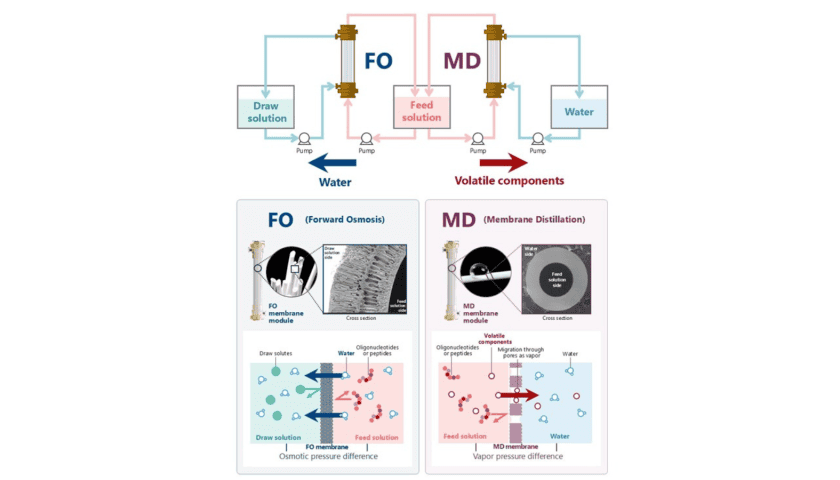
Asahi Kasei installs novel FO-MD system at Peptistar to speed up API manufacturing
The move marks an important step toward evaluating the technology for Good Manufacturing Practice (GMP)-compliant manufacturing while improving the efficiency of producing next-generation medicines.
-

Asahi Kasei Life Science licenses the Noguchi Institute ADC platform to advance precision biologic therapies
The Noguchi Institute’s newly licensed technology focuses on controlling two critical aspects of ADC design: the drug-to-antibody ratio (DAR) and the precise attachment site of the therapeutic payload.
-
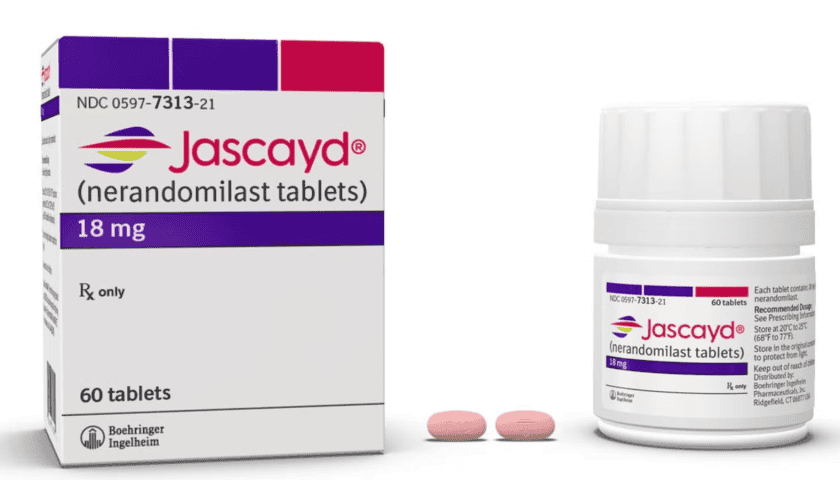
Japan’s MHLW approves Boehringer’s Jascayd as first PDE4B inhibitor for lung fibrosis
Jascayd acts as the first phosphodiesterase 4B (PDE4B) inhibitor approved for these indications, offering both antifibrotic and immunomodulatory activity.
-

Kyowa Kirin expands FDA-approved use of Crysvita for adults with XLH
The treatment is approved in the United States for adults and pediatric patients aged six months and older, making it one of the few targeted therapies available for this condition.
-

Olympus partners with EndoRobotics to expand robot-assisted gastrointestinal procedures
The robot-assisted technologies under this agreement respond directly to this challenge by improving clinical outcomes and reducing procedural complications.