
World Health Organization (WHO)
-
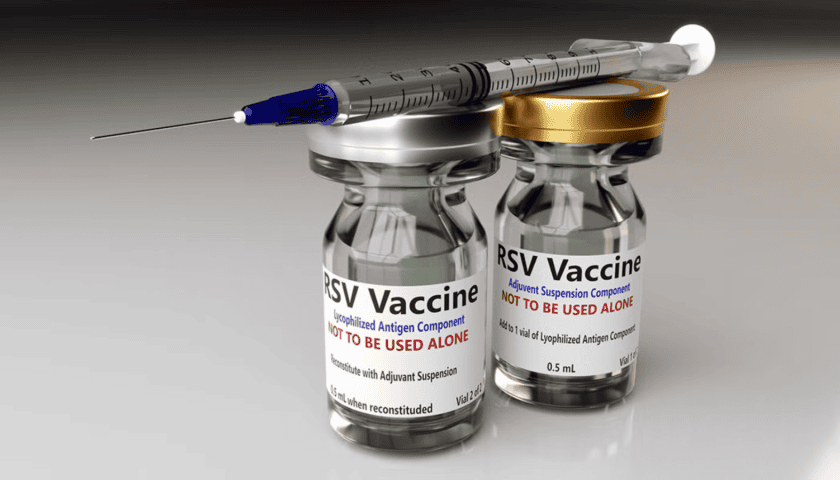
WHO prequalifies multi-dose maternal RSV vaccine to expand infant protection
The decision follows WHO’s prequalification of the vaccine’s single dose presentation in March 2025 and Gavi’s decision in July 2025 to establish a maternal RSV vaccine programme.
-

WHO explores expanded cooperation with Moscow on healthcare digitalization
Moscow has used computer vision in healthcare for more than six years, with more than 70 AI services supporting doctors in analysing medical images, including CT scans, MRI examinations, and X-rays.
-
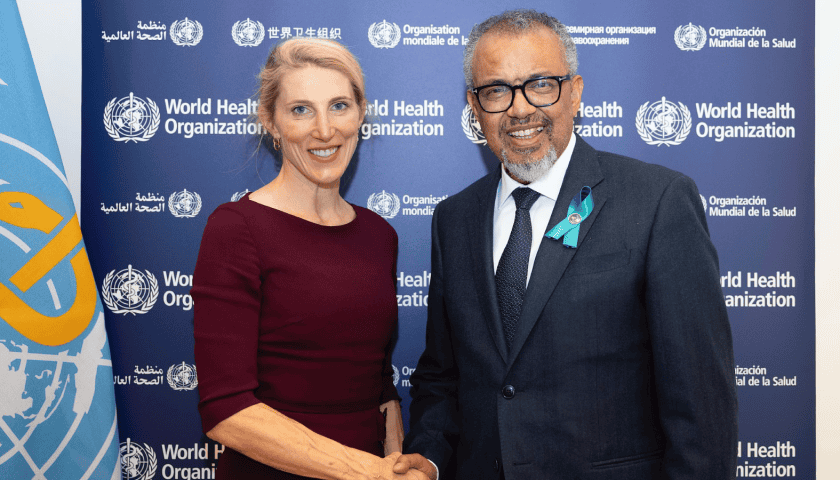
WHO appoints Dr. Vanessa Kerry as Special Envoy to strengthen sustainable health financing
Kerry will work with governments, development partners, multilateral institutions, civil society and the private sector to advocate for stronger health systems and more sustainable health financing.
-

WHO report warns smoking increases infertility risk in women by 40 percent
A systematic review of studies published between 2000 and 2026 found that women who currently smoke tobacco have a 40% higher risk of infertility than women who do not smoke.
-
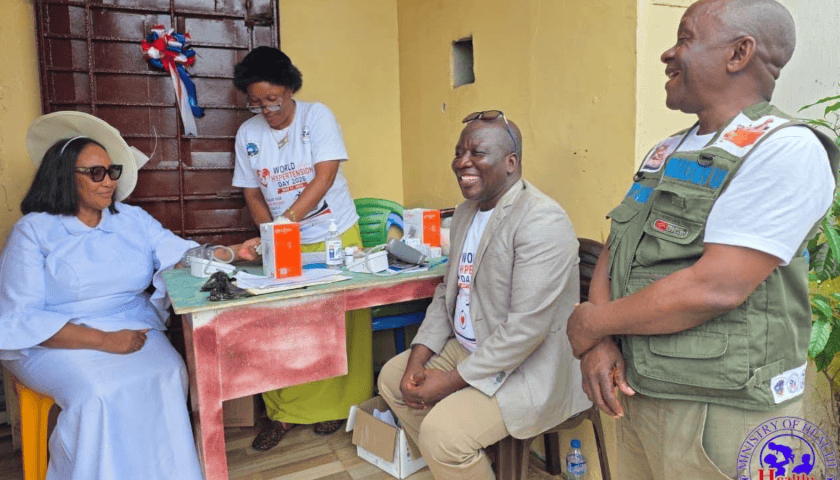
Liberia’s Ministry of Health trains Grand Bassa health workers on WHO PEN to strengthen NCD care
It forms part of the government’s efforts to strengthen the prevention, early detection, diagnosis, treatment, referral, and long term management of noncommunicable diseases (NCDs) at the primary healthcare level.
-
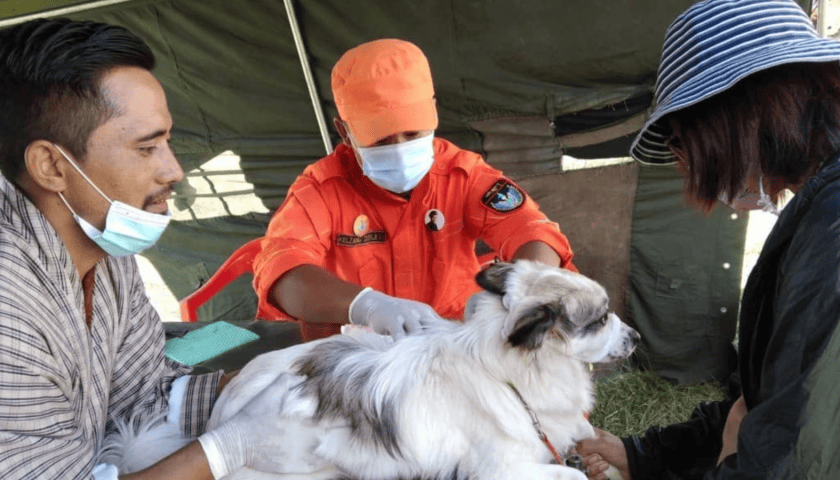
WHO validates Bhutan’s elimination of dog-transmitted rabies as public health problem
Bhutan’s achievement follows more than a decade of investment in a One Health approach, which recognizes the close links between human, animal and environmental health.
-
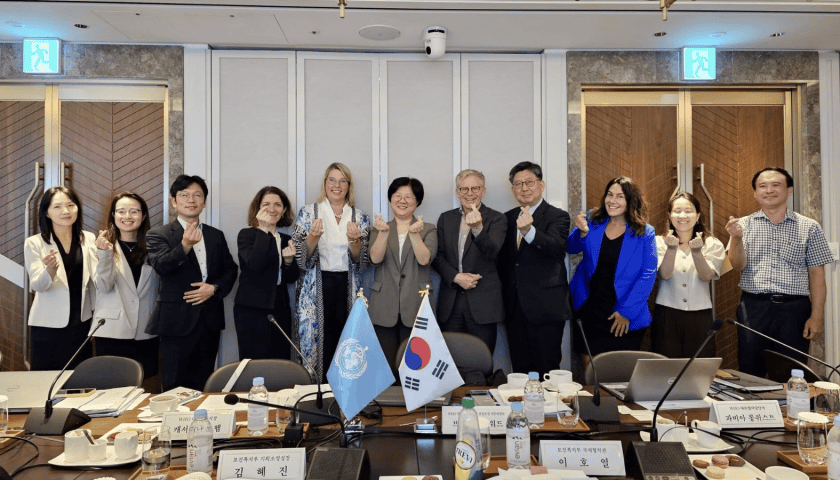
World Health Organization taps South Korean regulatory expertise to strengthen global workforce capacity
Through the new collaborating centre, WHO will expand access to structured, competency-based regulatory training and support the development of a stronger workforce capable of regulating medicines and vaccines.
-
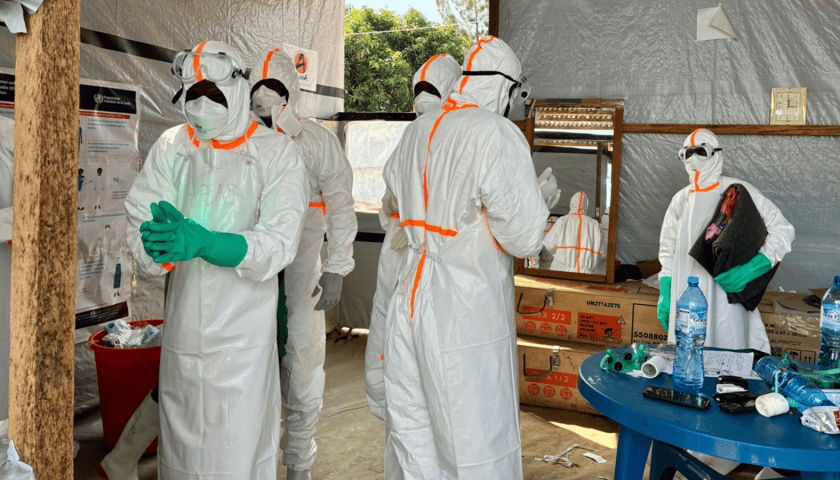
WHO issues emergency guidance on Ervebo use during Bundibugyo virus outbreaks
The guidance recommends that Ervebo® should currently be used against Bundibugyo virus (BDBV) only within a research protocol.
-
WHO inks two-year agreement with Peking University to strengthen global health emergency preparedness
The agreement builds on Peking University’s longstanding involvement in global health research and public health capacity development.
-
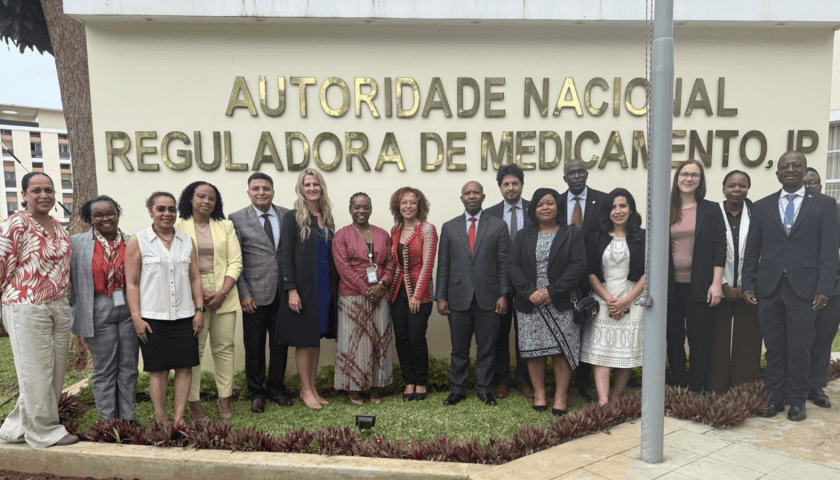
Mozambique attains WHO Maturity Level 3 in medicines and vaccine regulation
The Autoridade Nacional Reguladora de Medicamentos de Moçambique (ANARME) has achieved Maturity Level 3 (ML3) for regulating medicines and imported vaccines under WHO’s global classification of national regulatory authorities.