
World Health Organization (WHO)
-
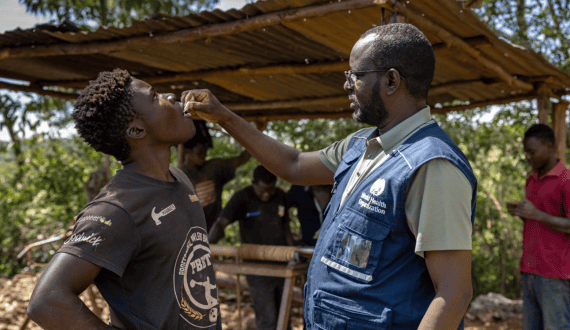
WHO reports 30% spike in global cholera deaths across 47 countries
Seven countries, which include Angola, Bangladesh, the Democratic Republic of the Congo, Nigeria, South Sudan, Sudan and Yemen, accounted for about 90% of reported cases and deaths.
-
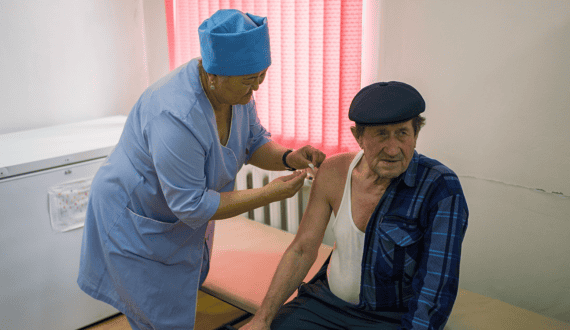
WHO recommends 2027 Southern Hemisphere influenza vaccine composition
WHO bases its recommendations on surveillance data collected through the Global Influenza Surveillance and Response System (GISRS), supported by collaborating centres and essential regulatory laboratories.
-
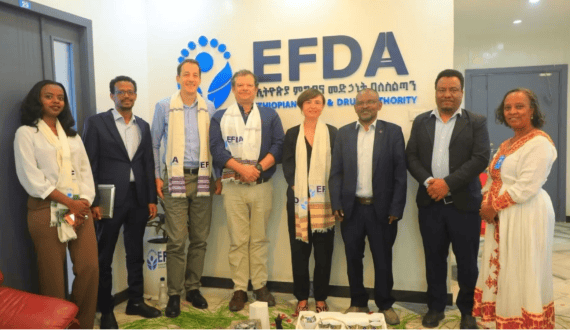
WHO assesses EFDA Medicines Laboratory in Ethiopia for Global Quality Listing
The assessment identified strengths and areas for improvement, while the technical sessions gave EFDA experts practical experience relevant to meeting WHO requirements.
-

WHO supports Ghana’s clinical trial capacity assessment across 15 institutions
Participants included researchers, scientific leaders, women scientists, and private sector representatives, reflecting the diversity of Ghana’s research community.
-
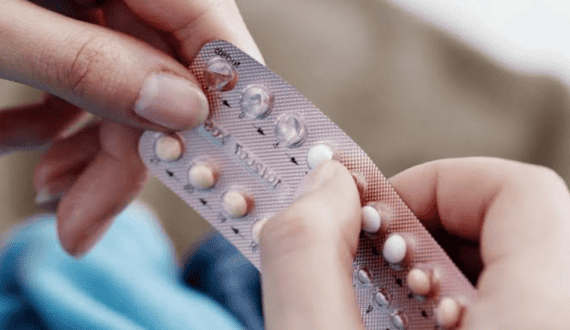
WHO issues new family planning guidance in Switzerland to broaden global contraceptive options
In its new publication, WHO Guidelines on Expanding Contraceptive Options, WHO provides countries with evidence-based recommendations to broaden access to contraceptive methods and offer more flexibility in how people use them.
-
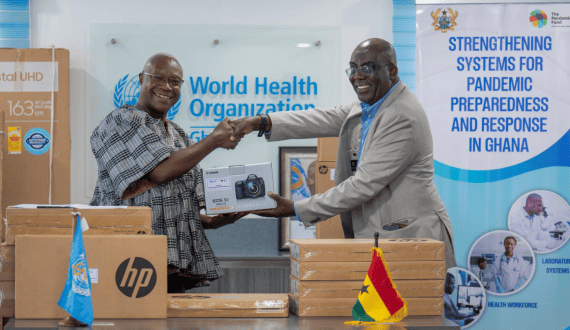
WHO hands over US$19,900 in ICT equipment to University of Ghana Public Health School
The new equipment will support a range of academic and institutional activities at the school. These include data analysis, research, lectures, seminars and virtual engagements.
-
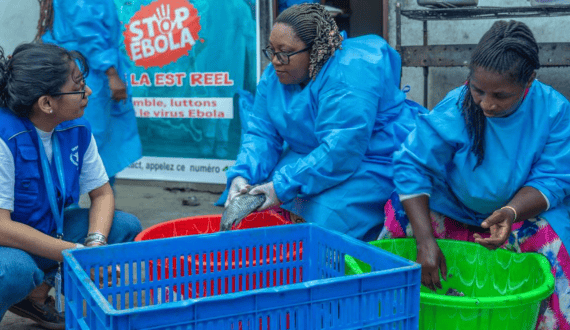
WHO allocates 20,000 Ervebo doses for Ebola trial in DRC
The allocation forms part of an initial release of 70,000 Ervebo doses to the Democratic Republic of the Congo (DRC).
-
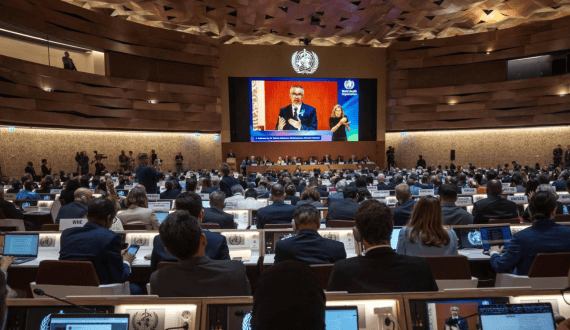
WHO concludes Eighth IGWG negotiations ahead of September 2026 UN Summit
The five-day meeting in Geneva focused on developing the Pathogen Access and Benefit-Sharing (PABS) annex to the WHO Pandemic Agreement, with governments working towards a system that is practical, equitable and feasible to implement.
-
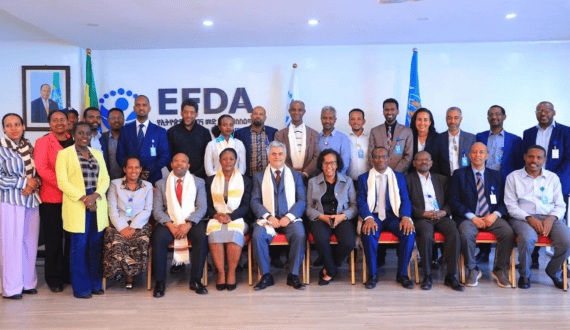
WHO pledges support to EFDA in Addis Ababa for Maturity Level 3 health standards
WHO Representative to Ethiopia, the African Union and the United Nations Economic Commission for Africa, Professor Francis Chisaka Kasolo, held a bilateral meeting with EFDA Director General Heran Gerba to discuss measures to improve health product regulation.
-
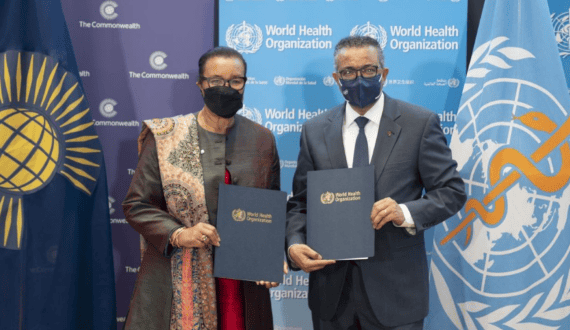
WHO signs four-year accord with Commonwealth Secretariat to boost health resilience
It builds on an earlier MoU signed by the two organisations in 2022 and sets out areas for deeper collaboration on health system strengthening and emerging health challenges.