

Healthcare delivery
-
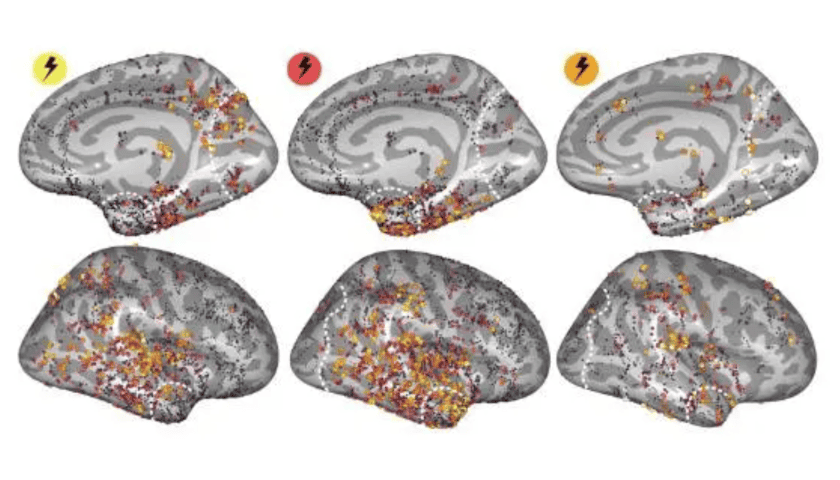
Mayo Clinic maps deep brain region to improve epilepsy stimulation targeting
To investigate these connections, researchers studied 30 people with drug-resistant epilepsy who already had temporary electrodes implanted as part of their clinical care.
-

Aga Khan University Hospital performs first documented full-arm replantation in East Africa
The procedure involved specialists from Plastic and Reconstructive Surgery, Orthopaedic Surgery, Vascular Surgery, Anaesthesia and Critical Care.
-

WHO backs African Medicines Agency drive to strengthen regulatory systems in Kigali
The meetings brought together regulators, policymakers, pharmaceutical industry representatives and international partners to accelerate regulatory cooperation and improve access to safe, effective and quality-assured medical products across the continent.
-

Uganda seeks US$4M to expand HIV prevention efforts nationwide
The proposed funding will support the Uganda AIDS Commission in coordinating prevention activities and expanding public awareness campaigns across the country.
-

WHO reports 10.6M TB cases in 2025 as domestic funding rises 14%
The TB burden remains concentrated in 30 countries, which accounted for 88% of new cases in 2025.
-
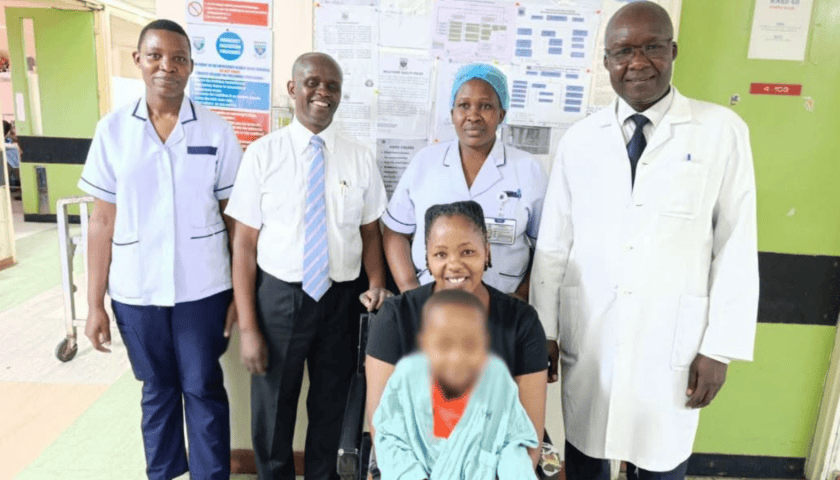
KNH performs two pioneering nerve reconstruction surgeries in Kenya
The procedures involved Targeted Sensory Reinnervation (TSR), a technique that redirects sensory nerves to help amputees regain sensation through prosthetic limbs.
-

Sidra Medicine advances neonatal AI imaging research through global study
Led through the Medical AI Data for All (MAIDA) initiative at Harvard Medical School, the study explored ways to adapt existing AI technologies to neonatal care without requiring hospitals to share patient imaging data centrally.
-
Magrabi Health places three Saudi facilities among Newsweek’s top 175 ophthalmology centres for 2027
The recognised facilities are Magrabi Health Eye in North Jeddah, Eye and Dental in Makkah, and Magrabi Health Eye and Ear on Madina Road in Jeddah.
-

NAFDAC introduces measures to cut product registration costs for Nigerian MSMEs
By reducing registration barriers, NAFDAC aims to encourage more small manufacturers to formalise their operations and bring products into the regulated market.
-
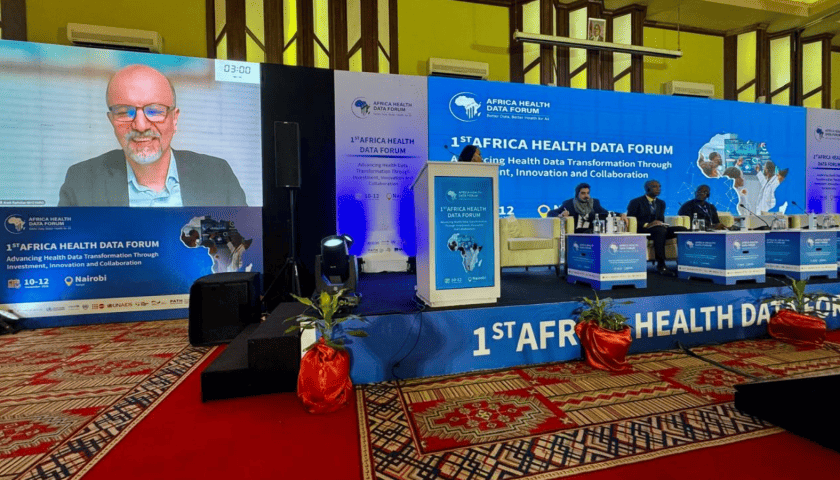
WHO launches Africa Health Data Forum in Nairobi to strengthen health information systems
Held under the theme “Better Data, Better Health for All,” the Forum brings together governments, health experts, development partners, academic institutions, civil society and private sector representatives.