
Democratic Republic of Congo (DRC)
-
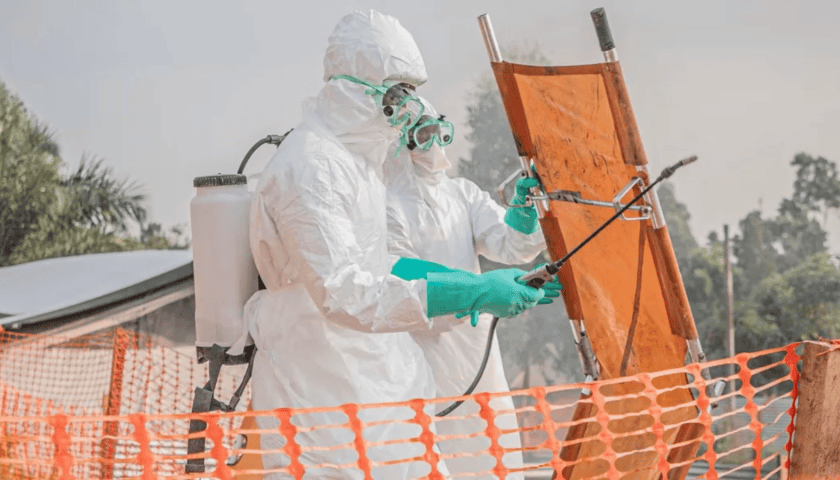
DRC launches 180-Day Plan to intensify response to Ebola outbreak
As of September 2, the outbreak had recorded 6,342 cases and 3,072 deaths, making it the second largest Ebola outbreak ever reported in the country and the fastest growing to date.
-
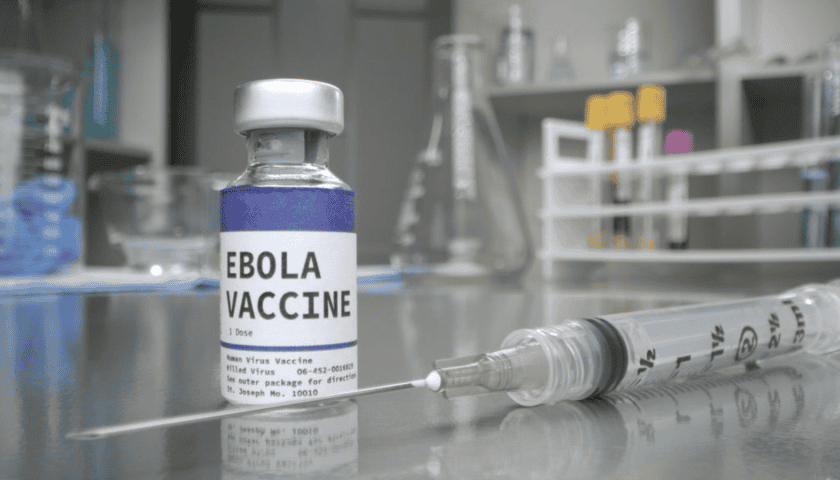
DRC secures 70,000 Ervebo vaccine doses for Bundibugyo virus outbreak
The ICG will allocate 20,000 doses to a Phase 3 clinical trial designed to assess whether Ervebo can protect people against Bundibugyo virus.
-
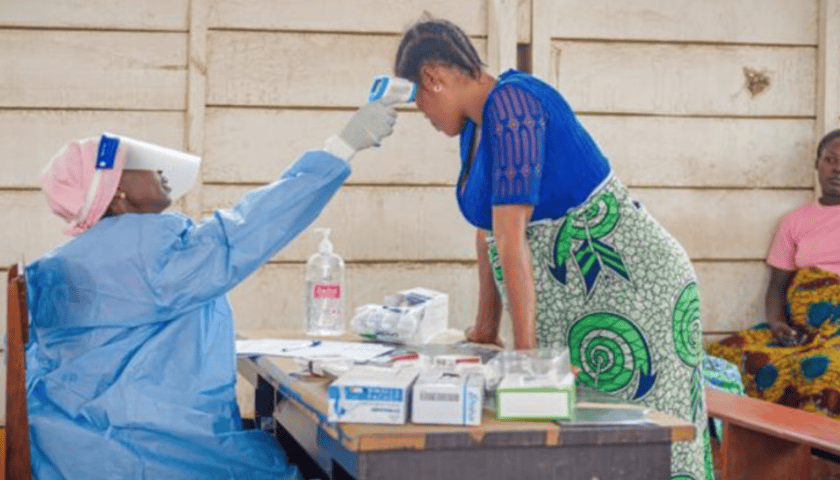
Africa CDC endorses scientific expert recommendations for DRC Ebola outbreak
Following a review of the latest epidemiological data, the ECG noted that the DRC had recorded 4,449 confirmed Ebola cases and 2,061 confirmed deaths, representing a case-fatality rate of 46.3%.
-
WHO launches EBO-PEP trial to test Obeldesivir for preventing Bundibugyo Ebola outbreak
The EBO-PEP platform trial, which has been under development since 2024, will evaluate several medicines as post-exposure prophylaxis for people who have had high-risk contact with filoviruses, the virus family that includes Bundibugyo Ebola.
-
WHO grants first emergency use listing for Bundibugyo Ebola diagnostic test
The test detects the virus by identifying its genetic material in blood samples, allowing health workers to confirm infections quickly and accurately.
-
Africa CDC appeals for US$18 M to fund Ebola therapeutic trials
Unlike previous Ebola epidemics caused by the Zaire strain, the current Bundibugyo outbreak has no licensed vaccine or approved treatment, making research an urgent public health priority.
-
US HHS releases experimental MBP134 antibody for Ebola response in DRC
The announcement follows growing calls from public health advocates and humanitarian organizations urging the US government to share available supplies of MBP134 to support outbreak control efforts in Central Africa.
-
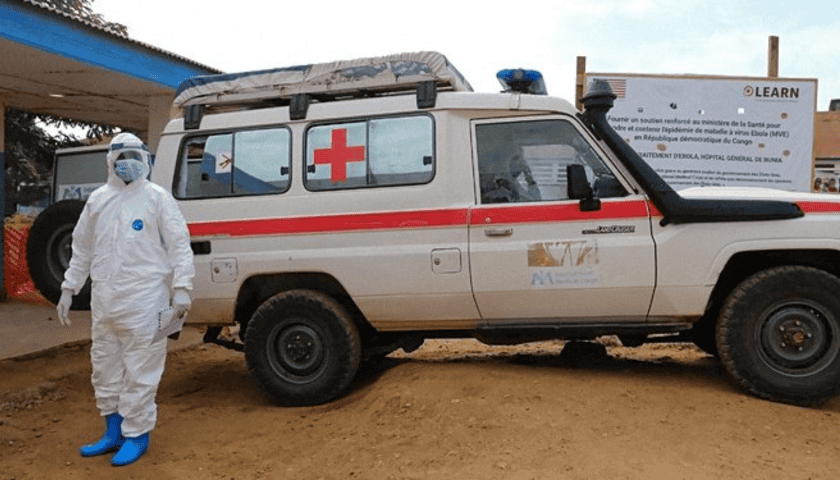
Japan pledges US$3.5M emergency grant for Ebola containment in DRC, Uganda
Japan will channel the support through the International Federation of Red Cross and Red Crescent Societies (IFRC), the World Food Programme (WFP), and the United Nations Children’s Fund (UNICEF).
-

US pledges additional US$38M for Ebola outbreak response in DRC and Uganda
This new allocation builds on earlier support, which includes US$350 million in Ebola response and broader humanitarian assistance across the DRC, South Sudan, and Uganda.
-

WHO backs three experimental drugs for Bundibugyo Ebola outbreak
The latest recommendations come as health authorities continue to battle a widening outbreak in eastern DRC, with additional confirmed cases reported in Uganda.