

WHO deploys AI-powered epidemic intelligence platform in DRC amid Ebola response
The DRC is the first country to adopt PDX, which connects national teams to a regional intelligence system serving all 47 Member States in the WHO African Region.
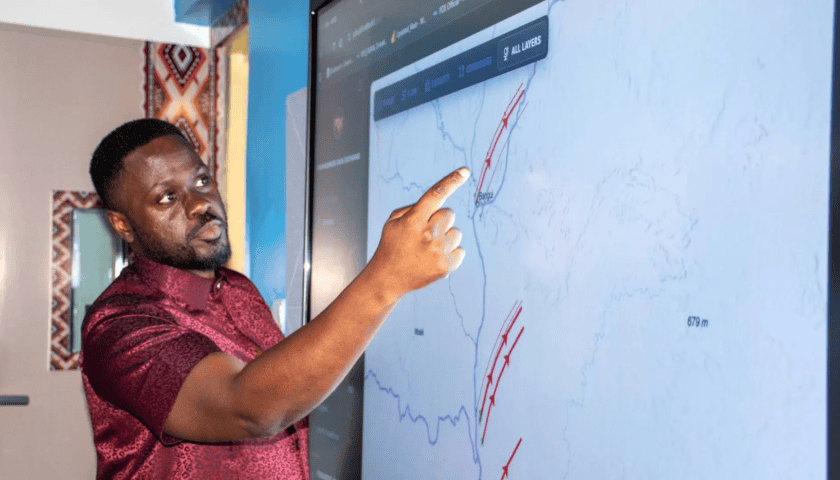
DRC—The World Health Organization Regional Office for Africa (WHO AFRO) has deployed its Preparedness Data Exchange (PDX) platform in the Democratic Republic of the Congo (DRC) to strengthen early warning and help health authorities prepare for and respond to disease outbreaks.
The platform uses artificial intelligence (AI) to bring together health and risk information, helping authorities identify emerging threats and make more informed preparedness decisions.
The DRC is the first country to adopt PDX, which connects national teams to a regional intelligence system serving all 47 Member States in the WHO African Region.
AI strengthens epidemic preparedness
Dr Dick Chamla, program area manager at the WHO Regional Emergency Hub in Nairobi, Kenya, said the platform would give national teams faster access to relevant warning signals while linking their findings to regional intelligence.
He noted that connecting national and regional information was particularly important as the DRC responds to Ebola amid significant cross-border population movement.
Timely intelligence can help authorities identify emerging risks, coordinate interventions and act before outbreaks spread further.
The deployment comes as the country manages complex public health risks associated with infectious diseases, population mobility and cross-border movement.
By improving access to preparedness information, PDX aims to strengthen situational awareness and support decisions on surveillance, resource allocation and emergency response.
Digital screening complements regional intelligence
Alongside the PDX rollout, Dure Technologies, working with WHO, installed Voyage Santé, a digital points-of-entry system, at selected locations, including N’djili International Airport and the Nord Bangui border post.
The system supports health screening and early detection at designated entry points, helping authorities identify potential public health threats and take appropriate action.
Its deployment complements PDX by strengthening the link between border-collected information and broader epidemic preparedness efforts.
Integrating digital screening with regional intelligence systems could help health authorities connect frontline surveillance with risk assessment and response planning.
This approach is particularly relevant in countries where frequent cross-border movement complicates infectious disease monitoring.
WHO plans wider regional deployment
The DRC rollout marks the first deployment of PDX as WHO AFRO expands its efforts to strengthen epidemic preparedness across the region.
Linking national information with regional systems is intended to improve risk monitoring and help countries coordinate their preparedness activities.
WHO plans to introduce the platform in additional countries across the African region.
Wider adoption could support more consistent information sharing among public health authorities and strengthen regional capacity to identify emerging threats.
For health systems, the initiative highlights the growing role of digital tools and AI in epidemic intelligence.
Their effectiveness will depend on timely, reliable data; coordination between national and regional agencies; and health authorities’ ability to translate early warnings into practical interventions.

Be the first to leave a comment