

Bundibugyo Ebola
-
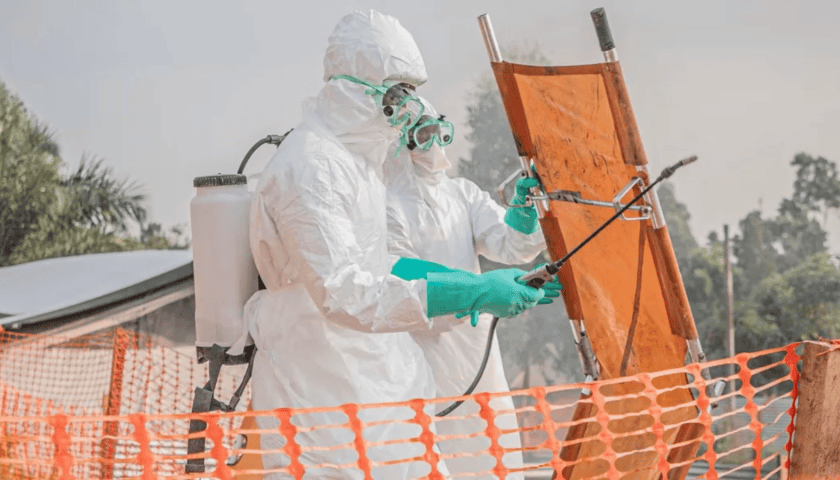
DRC launches 180-Day Plan to intensify response to Ebola outbreak
As of September 2, the outbreak had recorded 6,342 cases and 3,072 deaths, making it the second largest Ebola outbreak ever reported in the country and the fastest growing to date.
-
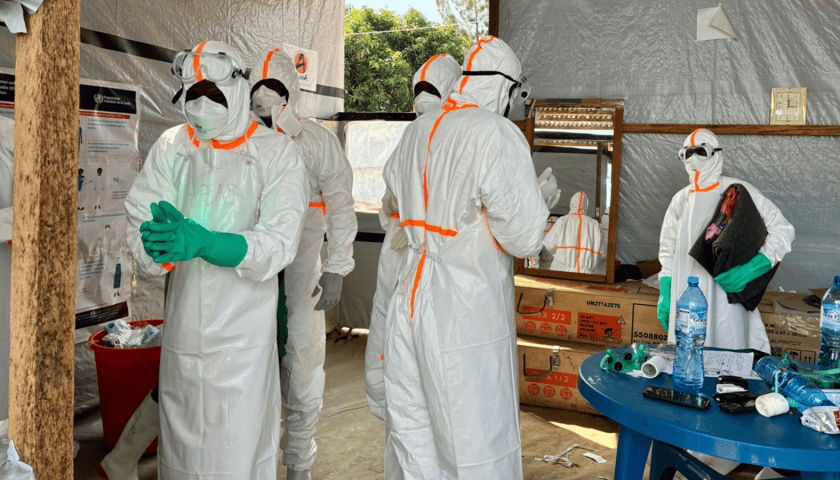
WHO issues emergency guidance on Ervebo use during Bundibugyo virus outbreaks
The guidance recommends that Ervebo® should currently be used against Bundibugyo virus (BDBV) only within a research protocol.
-
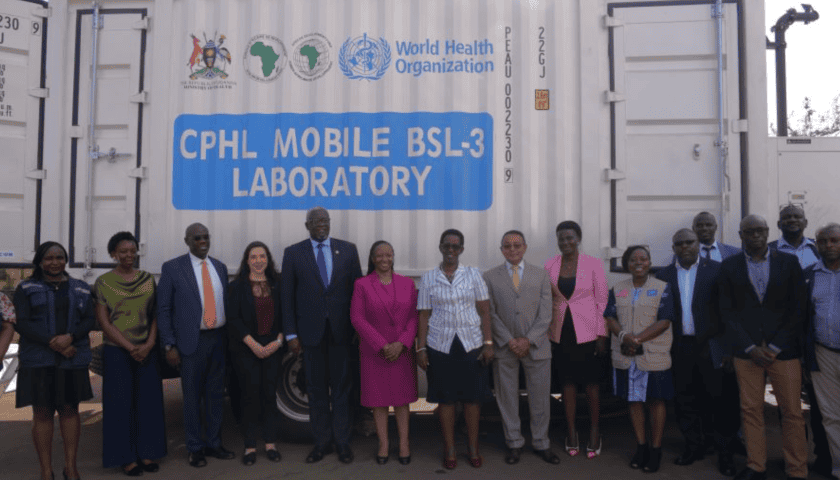
Uganda receives mobile biosafety laboratory to strengthen response to Ebola outbreak
The mobile laboratory forms part of efforts to strengthen Uganda’s public health emergency preparedness following lessons from recent Ebola outbreaks.
-
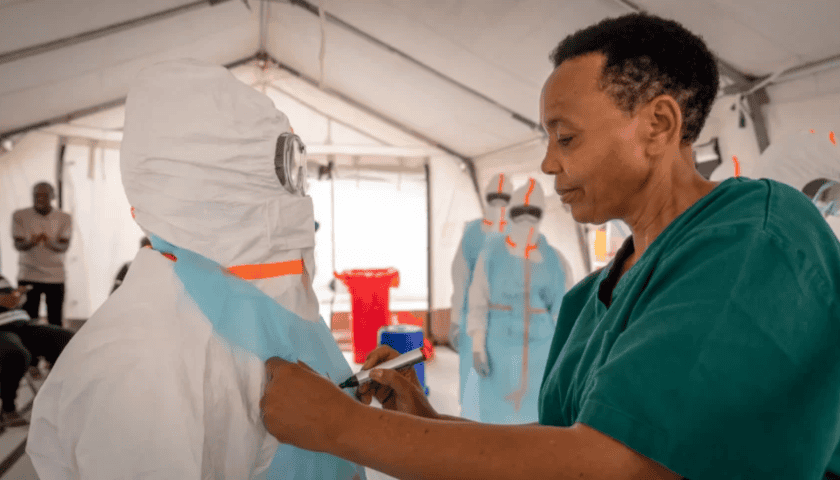
Uganda declares Ebola outbreak over after 42 days with no new cases
Uganda completed the monitoring period without detecting further transmission, providing an additional safeguard that no transmission chains linked to the imported case had been missed.
-
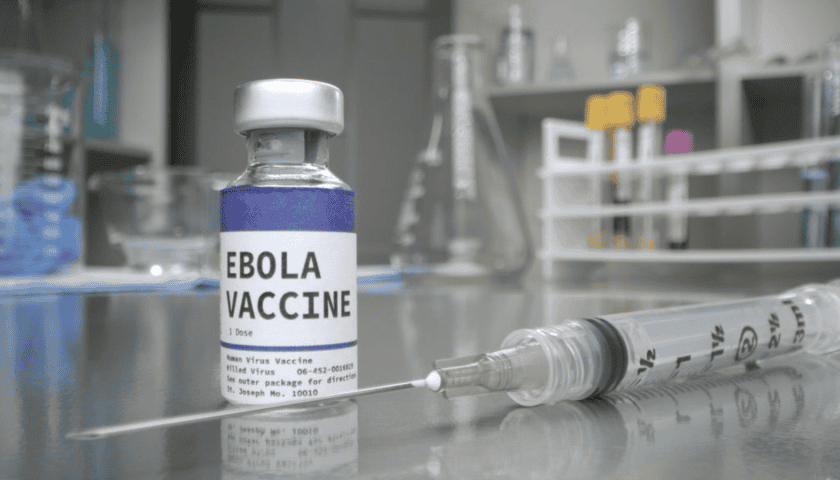
DRC secures 70,000 Ervebo vaccine doses for Bundibugyo virus outbreak
The ICG will allocate 20,000 doses to a Phase 3 clinical trial designed to assess whether Ervebo can protect people against Bundibugyo virus.
-
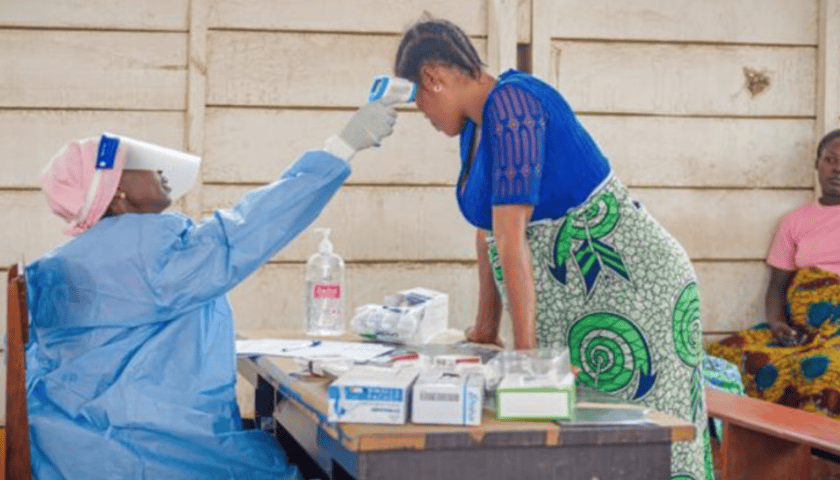
Africa CDC endorses scientific expert recommendations for DRC Ebola outbreak
Following a review of the latest epidemiological data, the ECG noted that the DRC had recorded 4,449 confirmed Ebola cases and 2,061 confirmed deaths, representing a case-fatality rate of 46.3%.
-

Moderna begins Phase 1 trial of mRNA vaccine against Bundibugyo Ebola
The Phase 1 study forms part of an expanded collaboration between Moderna and the Coalition for Epidemic Preparedness Innovations (CEPI).
-

CEPI partners with Hilleman Laboratories to advance Bundibugyo Ebola vaccine for clinical trials
The initiative comes as scientists intensify efforts to address a major Bundibugyo ebolavirus outbreak, with cases rising rapidly in the Democratic Republic of the Congo (DRC).
-

Uganda declares end of 2026 Ebola outbreak after 42 days with no new cases
Throughout the 42-day period, health authorities maintained enhanced nationwide surveillance and found no evidence of further transmission.
-
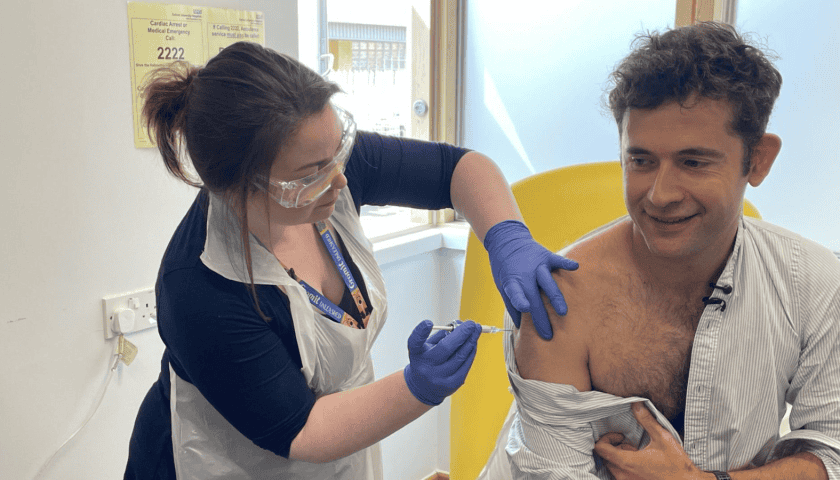
Oxford begins human trials for the experimental Bundibugyo Ebola vaccine
The experimental vaccine was developed by scientists at the University of Oxford using the same vaccine technology employed in the Oxford-AstraZeneca COVID-19 vaccine.