Oxford begins human trials for the experimental Bundibugyo Ebola vaccine
The experimental vaccine was developed by scientists at the University of Oxford using the same vaccine technology employed in the Oxford-AstraZeneca COVID-19 vaccine.
Published
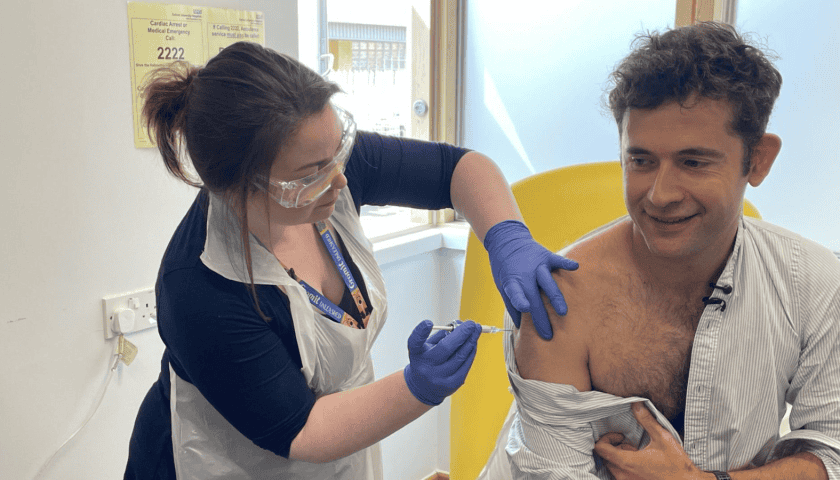
UK—A 37-year-old British man, Ed Hunt, has become the first person in the world to receive an experimental vaccine designed to protect against the Bundibugyo species of the Ebola virus.
Hunt volunteered for the clinical trial after following news reports about a deadly Ebola outbreak in the Democratic Republic of Congo (DRC).
The experimental vaccine was developed by scientists at the University of Oxford using the same vaccine technology employed in the Oxford-AstraZeneca COVID-19 vaccine.
The Oxford team developed the Ebola vaccine candidate in just eight weeks, drawing on decades of research into vaccine development and viral diseases.
Hunt is the first of 50 healthy volunteers aged between 18 and 55 years who will participate in the phase one clinical trial.
Explaining his decision to join the study, Hunt told the BBC that he had previously wanted to participate in a COVID-19 vaccine trial but could not do so because of work commitments.
However, after seeing reports about the Ebola outbreak in the DRC, he decided to volunteer.
The experimental vaccine uses a viral-vector technology similar to that used in the Oxford-AstraZeneca COVID-19 vaccine, which was administered to hundreds of millions of people worldwide during the pandemic.
Trial to assess safety and immune response
Prof. Teresa Lambe, who led the Ebola vaccine development team at the University of Oxford, said the researchers were able to develop the candidate quickly because of the extensive research conducted over several decades.
The phase one trial will primarily assess the vaccine’s safety and determine whether it elicits a strong immune response capable of protecting against the Bundibugyo species of Ebola.
Researchers will also monitor participants for potential side effects and assess how their immune systems respond to vaccination.
Lambe emphasized that the vaccine cannot cause Ebola and that researchers will not expose trial participants to the virus.
Instead, the study will measure whether vaccination triggers an immune response that could potentially protect people from infection.
Vaccine Targets a Different Ebola Species
Four vaccines are currently in development against the Bundibugyo species, which has been linked to the latest outbreak.
However, the Oxford candidate is the first of these vaccines to enter human clinical trials.
A licensed Ebola vaccine is already available to protect against the Zaire species, which has caused several major Ebola outbreaks.
However, that vaccine does not provide protection against the Bundibugyo species, creating a need for vaccines specifically targeting the virus responsible for the current outbreak.
The Oxford team plans to launch a second small Ebola vaccine trial in Uganda soon.
Researchers will then conduct a larger study in the DRC to assess the vaccine’s efficacy and determine how well it protects people against the virus.
Doses prepared for potential use
The Serum Institute of India has already manufactured 600,000 doses of the Oxford Ebola vaccine candidate.
The doses will be available for potential deployment if clinical trials demonstrate that the vaccine is safe and effective.
The development of the vaccine comes amid continued concerns over Ebola outbreaks in the DRC.
To date, the country has reported more than 2,500 confirmed Ebola cases, including just over 1,000 deaths.
Sign up HEREto receive our email newsletters with the latest news and insights from Africa and around the world, and follow us on LinkedInfor updates.



Be the first to leave a comment