US HHS releases experimental MBP134 antibody for Ebola response in DRC
The announcement follows growing calls from public health advocates and humanitarian organizations urging the US government to share available supplies of MBP134 to support outbreak control efforts in Central Africa.
Published
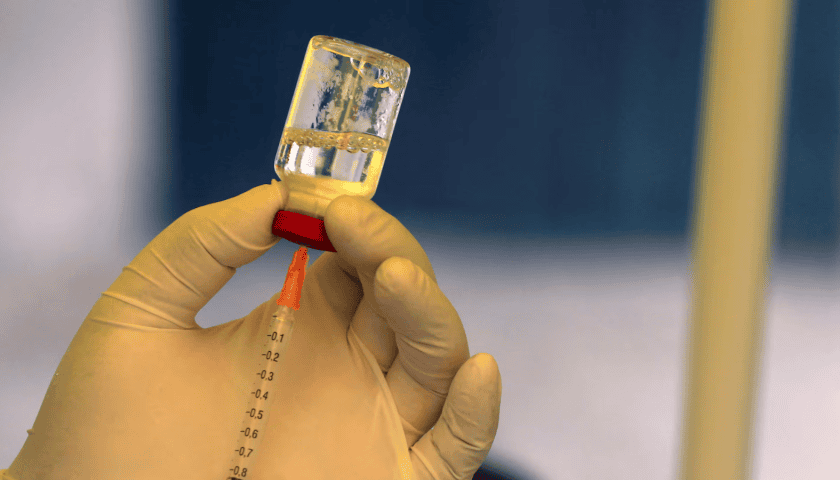
USA—The United States Department of Health and Human Services (HHS) has announced that it will provide doses of MBP134, an experimental antibody therapy developed by California-based Mapp Biopharmaceutical, to support the response to the ongoing Bundibugyo Ebola outbreak in the DRC.
The treatment will be used under compassionate-use provisions and will also support planned clinical trials in affected regions.
The decision marks a significant shift from Washington’s earlier position, which reserved the therapy for American citizens considered to be at high risk following exposure to the virus.
“The drug is being made available for compassionate use in Congo as well as to advance a clinical trial in the outbreak region,” an HHS spokesperson told Reuters.
Officials declined to disclose the number of doses being released but noted that data generated from the trials could help support future regulatory review and potential approval of the treatment in the United States.
The announcement follows growing calls from public health advocates and humanitarian organizations urging the US government to share available supplies of MBP134 to support outbreak control efforts in Central Africa.
Clinical trials set to begin
The Bundibugyo strain responsible for the current outbreak has no approved vaccine or treatment, creating an urgent need for effective medical countermeasures.
The World Health Organization (WHO) has therefore prioritized several experimental therapies, including MBP134, for rapid clinical evaluation.
According to WHO and trial investigators, studies involving MBP134 and two antiviral medicines developed by Gilead Sciences are expected to begin within weeks.
Preparations for the studies are already at an advanced stage, with ethics committees and regulatory authorities in both the DRC and Uganda reviewing trial protocols.
Researchers will evaluate MBP134 both as a standalone treatment and in combination with remdesivir, marketed as Veklury, which gained widespread use during the COVID-19 pandemic.
Gilead’s oral antiviral obeldesivir will also be assessed as a potential post-exposure preventive therapy.
Earlier studies found the treatments to be safe, although none have yet been tested against the Bundibugyo strain in humans.
Shipments of MBP134 and other investigational therapies are already being delivered to the outbreak zone, while WHO and partner organizations prepare treatment centers for patient enrollment.
The agency continues to emphasize that experimental drugs and vaccines should be evaluated through properly designed clinical trials before wider deployment.
Outbreak continues to expand
The outbreak, which was officially confirmed on May 15, has surpassed 1,000 confirmed cases, making it one of the fastest-growing Ebola outbreaks ever recorded.
Most infections have been reported in Ituri, North Kivu, and South Kivu provinces in eastern DRC, although a limited number of cases and deaths have also been reported in neighboring Uganda.
Health officials warn that response efforts remain complicated by insecurity, disrupted supply chains, community mistrust, and attacks on healthcare workers.
Investigators also believe the virus circulated undetected for several weeks before confirmation because local laboratories lacked tests capable of identifying the Bundibugyo strain.
To strengthen surveillance, WHO has since deployed decentralized testing systems that can deliver results within an hour.
The latest development builds on Mapp Biopharmaceutical’s long-standing work on Ebola therapies.
The company previously helped develop ZMapp during the 2014–2016 West African Ebola outbreak and has worked with the US Biomedical Advanced Research and Development Authority (BARDA) to advance MBP134 as a broad-spectrum antibody treatment targeting multiple Ebola species, including the Bundibugyo species.
Recent animal studies have shown promising results, positioning the therapy as a leading candidate in the current outbreak response.
Sign up HEREto receive our email newsletters with the latest news and insights from Africa and around the world, and follow us on LinkedInfor updates.



Be the first to leave a comment