
GSK
-
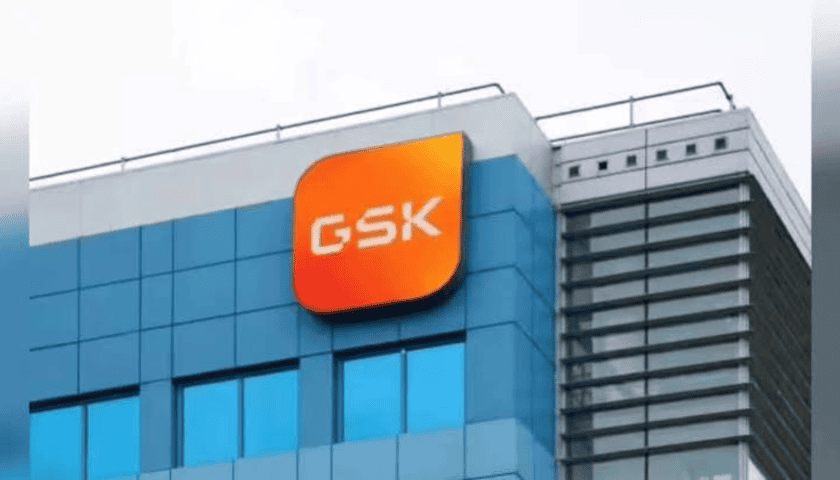
GSK to invest US$800M in Pennsylvania biopharma manufacturing hub
The project will replace existing buildings with new facilities designed to support clinical development, commercial production and advanced manufacturing technologies.
-
GSK expands oncology rebound with US$750M Chimagen licensing deal
GSK will take full global rights to the experimental TCE programme in return for an upfront payment and potential development and commercial milestone payments.
-
GSK to close German flu vaccine plant as demand for egg-based shots falls
The shift also comes as pharmaceutical companies invest in newer technologies that could change how influenza vaccines are developed and manufactured.
-
GSK pays US$110M upfront for HUTCHMED’s KRAS cancer therapy
The deal also includes up to US$1.185 billion in development, regulatory and commercial milestone payments, bringing its potential total value to US$1.295 billion.
-

GSK gains first global approval for Bepirovirsen as Japan clears new hepatitis B functional cure
The antisense oligonucleotide (ASO) medicine, which GSK will market in Japan as Hibsago, is approved for adults with hepatitis B who meet specified viral markers.
-

GSK secures first lung cancer approval days after US$10.6B Nuvalent acquisition
The US Food and Drug Administration (FDA) approved Jideytro for adults with locally advanced or metastatic ROS1-positive NSCLC who have previously received treatment with a ROS1 kinase inhibitor.
-

GSK launches Shingrix in South Africa following SAHPRA registration
The vaccine was registered earlier this month by the South African Health Products Regulatory Authority (SAHPRA), paving the way for large-scale importation and commercial distribution.
-

GSK-Spero Therapeutics’ Utebzi earns FDA approval to combat rising global antimicrobial resistance
More than 3 million cases of complicated UTIs are recorded annually in the United States, and treatment failure affects up to one-third of patients.
-
GSK strikes US$10.6B Nuvalent deal to strengthen lung cancer pipeline
The acquisition comes as GSK intensifies its shift toward oncology to offset expected revenue pressure from upcoming patent expirations in its HIV franchise.
-

GSK expands China footprint through Sino Biopharmaceutical partnership for Hepatitis B therapy bepirovirsen
CTTQ will also purchase a supply of bepirovirsen for an initial period of five and a half years, while GSK will record product sales from the arrangement, though the companies are not disclosing the financial value of the deal.