

WHO issues emergency guidance on Ervebo use during Bundibugyo virus outbreaks
The guidance recommends that Ervebo® should currently be used against Bundibugyo virus (BDBV) only within a research protocol.
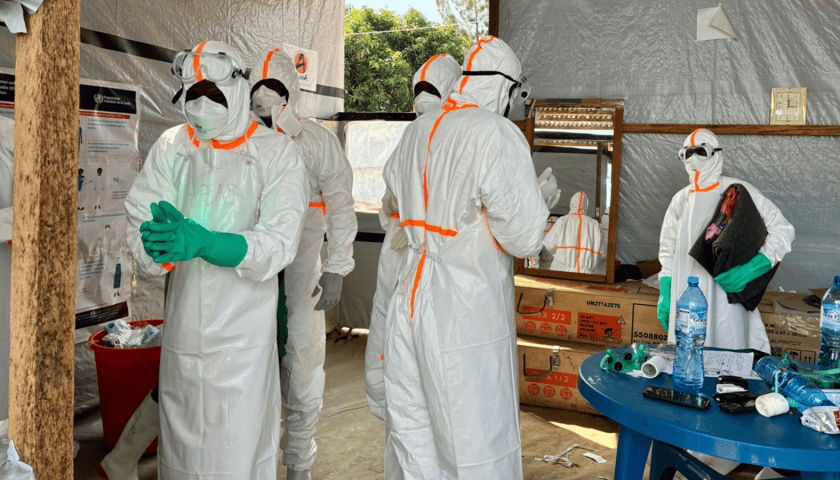
SWITZERLAND—The World Health Organization (WHO) has issued new emergency guidance on the use of licensed Ebola vaccines during outbreaks of Bundibugyo virus disease (BVD), following an extraordinary meeting of the Strategic Advisory Group of Experts (SAGE) on Immunization held on August 19, 2026.
The guidance recommends that Ervebo® should currently be used against Bundibugyo virus (BDBV) only within a research protocol.
WHO said a ring vaccination randomized controlled trial (RCT) would provide the most robust evidence for determining the vaccine’s efficacy against BDBV.
Where broader use of Ervebo may be considered before efficacy trial results become available, WHO recommends implementing a comprehensive risk mitigation plan to address potential risks and generate reliable evidence on the vaccine’s performance.
In areas affected by an ongoing BDBV outbreak, WHO recommends using Ervebo for outbreak response only under a research protocol, such as a ring RCT or a well-designed observational vaccine effectiveness study.
These approaches could help generate additional evidence on the vaccine’s potential effectiveness against BDBV.
Exceptional off-label use
WHO said off-label use of Ervebo may be considered in exceptional circumstances when conducting research is not feasible.
However, vaccination programmes would need to maintain robust records that allow health authorities to identify vaccine recipients and link vaccination status with subsequent BDBV exposure and health outcomes.
The agency will also continue to recommend preventive use of Ervebo among healthcare workers and frontline workers in Ebola virus (EBOV) priority areas of countries with a history of Ebola virus disease outbreaks.
The recommendation reflects the distinction between protection against EBOV, for which Ervebo is licensed, and its potential use against BDBV, where definitive efficacy evidence remains limited.
Development of BDBV vaccines
WHO has also called for accelerated development and rigorous evaluation of vaccines specifically targeting BDBV, as well as post-exposure prophylaxis products that could help protect people following exposure to the virus.
The agency further encouraged close coordination among partners to provide timely support to the Democratic Republic of the Congo (DRC) and other countries that may consider using Ervebo within a research protocol during the current BDBV outbreak.
WHO said partners should ideally develop and share master protocols for ring vaccination RCTs and high-quality observational studies.
Such protocols could support consistent research approaches and facilitate the rapid generation of evidence on Ervebo’s performance against BDBV.


Be the first to leave a comment