

Democratic Republic of Congo (DRC)
-
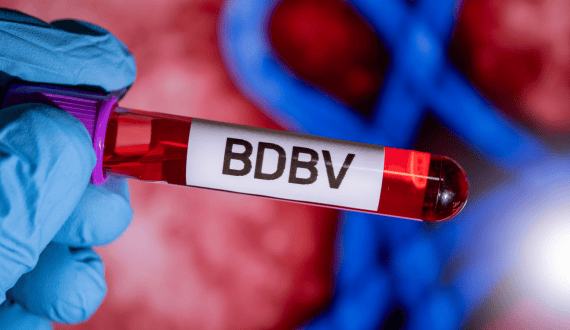
Africa CDC appeals for US$18 M to fund Ebola therapeutic trials
Unlike previous Ebola epidemics caused by the Zaire strain, the current Bundibugyo outbreak has no licensed vaccine or approved treatment, making research an urgent public health priority.
-
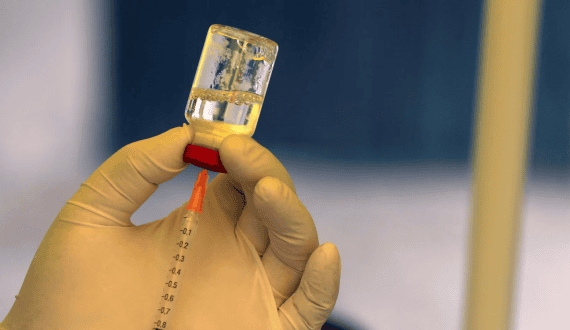
US HHS releases experimental MBP134 antibody for Ebola response in DRC
The announcement follows growing calls from public health advocates and humanitarian organizations urging the US government to share available supplies of MBP134 to support outbreak control efforts in Central Africa.
-
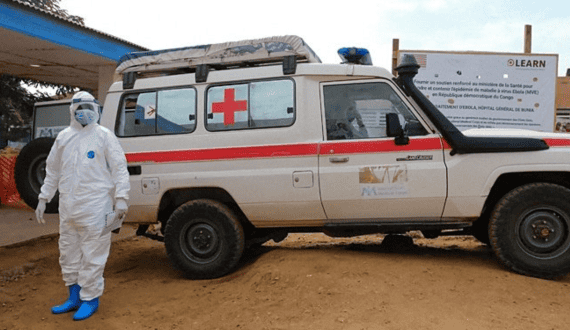
Japan pledges US$3.5M emergency grant for Ebola containment in DRC, Uganda
Japan will channel the support through the International Federation of Red Cross and Red Crescent Societies (IFRC), the World Food Programme (WFP), and the United Nations Children’s Fund (UNICEF).
-
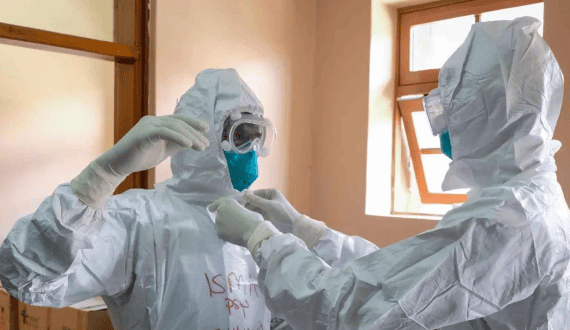
US pledges additional US$38M for Ebola outbreak response in DRC and Uganda
This new allocation builds on earlier support, which includes US$350 million in Ebola response and broader humanitarian assistance across the DRC, South Sudan, and Uganda.
-

WHO backs three experimental drugs for Bundibugyo Ebola outbreak
The latest recommendations come as health authorities continue to battle a widening outbreak in eastern DRC, with additional confirmed cases reported in Uganda.
-

African leaders mobilizes regional response to Bundibugyo Ebola outbreak
The leaders also pledged to protect essential services such as education, routine healthcare, cholera control and measles response efforts as countries confront the growing public health threat.
-

Africa CDC declares DRC-Uganda Ebola outbreak continental health emergency
Authorities also dispatched a team of 35 experts from Kinshasa to reinforce surveillance, infection prevention and control, contact tracing, and community engagement efforts in the affected areas.
-
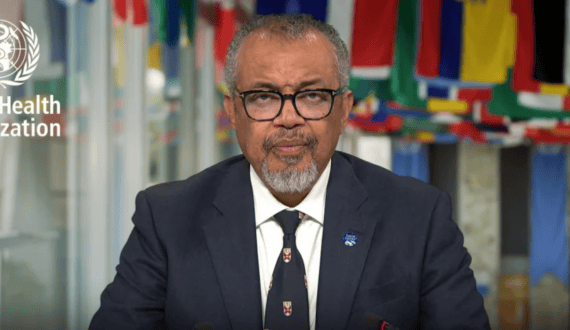
WHO declares Ebola global health emergency in DRC, Uganda
Health authorities in DRC and Uganda have already activated emergency response mechanisms, including contact tracing, case isolation, infection prevention measures, and enhanced treatment services.
-

Africa CDC ramps up response as Ebola outbreak surges in eastern DRC
Four deaths have already been confirmed through laboratory testing, while additional suspected cases remain under investigation in Bunia, a densely populated urban centre in Ituri province.
-

Africa CDC ends the Mpox Continental Emergency, signaling shift to elimination
The Democratic Republic of the Congo bore the heaviest burden, accounting for 96% of reported cases and 97% of deaths.