WHO grants first emergency use listing for Bundibugyo Ebola diagnostic test
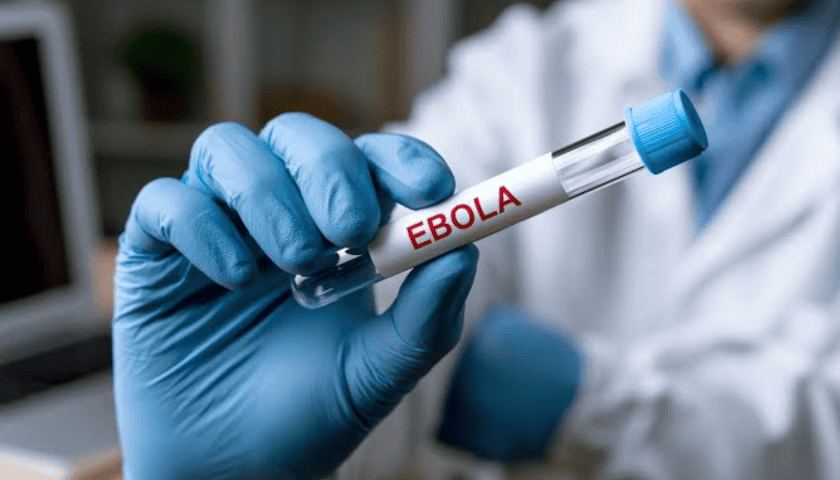
The test detects the virus by identifying its genetic material in blood samples, allowing health workers to confirm infections quickly and accurately.
Published
SWITZERLAND—The World Health Organization (WHO) has added the first molecular diagnostic test for Bundibugyo virus (BDBV) to its Emergency Use Listing (EUL), marking a major step towards strengthening the response to the largest recorded outbreak of this rare Ebola virus strain.
The test detects the virus by identifying its genetic material in blood samples, allowing health workers to confirm infections quickly and accurately.
The WHO Emergency Use Listing assesses the quality, safety, and performance of essential health products using available scientific evidence.
It also ensures that these products meet international standards while addressing the needs of low- and middle-income countries.
Once listed, diagnostic tools can be procured more rapidly by United Nations agencies and governments for use during public health emergencies.
Dr. Yukiko Nakatani, WHO Assistant Director-General for Health Systems, Access and Data, said public health emergencies demand both speed and confidence that medical products meet strict quality and safety standards.
She noted that rapid access to reliable diagnostic tests is vital for identifying cases early, limiting transmission and improving outbreak control.
Testing capacity expands as outbreak continues
WHO Director-General Dr. Tedros Adhanom Ghebreyesus declared the Bundibugyo Ebola outbreak in the Democratic Republic of the Congo, with cases also reported in Uganda, a Public Health Emergency of International Concern on 17 May 2026.
Less than two weeks later, WHO invited manufacturers of Bundibugyo in vitro diagnostic (IVD) tests to apply for emergency listing.
The outbreak has continued to spread. As of this week, the Democratic Republic of the Congo had reported 1,406 laboratory-confirmed cases and 438 deaths.
With support from WHO and the Africa CDC, testing capacity has increased from just a few laboratories capable of conducting 200–400 tests daily to a network of 10 laboratories capable of performing more than 2,000 tests each day.
Meanwhile, WHO, Africa CDC, and partners, including PATH, FIND, CHAI, and Unitaid, are establishing a joint validation platform to assess laboratory-based molecular tests, near-point-of-care molecular tests and rapid antigen tests under outbreak conditions.
Additional diagnostic products submitted through the Emergency Use Listing process are also under review.
Race for faster Ebola tests intensifies
The WHO listing comes as global efforts to develop even faster diagnostic tools gather pace.
This week, FIND announced that five manufacturers from West Africa, the United States and South Korea have been shortlisted to begin field trials of rapid antigen tests in eastern DRC.
Unlike current laboratory-based tests, these products could provide results at the point of care within minutes, enabling quicker isolation of infected patients and faster outbreak response.
Bundibugyo virus disease is a severe form of Ebola that spreads from infected animals to humans and then through direct contact with infected bodily fluids or contaminated surfaces.
Early diagnosis remains one of the most effective tools for containing transmission and improving patient care.
Sign up HEREto receive our email newsletters with the latest news and insights from Africa and around the world, and follow us on LinkedInfor updates.


Be the first to leave a comment