

Healthcare delivery
-

Western Cape opens US$4.9M acute psychiatric unit at Khayelitsha District Hospital
The new APU features natural lighting, well ventilated wards and two secure courtyards designed to create calmer surroundings for patients.
-

UNAIDS, SADC, and GHII partner with China to boost pharmaceutical manufacturing in Southern Africa
The partnership, developed through sustained engagement led by UNAIDS, is being advanced this week through a SADC-China strategic exchange taking place from 31 August to 4 September 2026 in Johannesburg, Durban and Cape Town.
-

World Health Organization taps South Korean regulatory expertise to strengthen global workforce capacity
Through the new collaborating centre, WHO will expand access to structured, competency-based regulatory training and support the development of a stronger workforce capable of regulating medicines and vaccines.
-

MSD convenes high-level UHC policy roundtable with Africa Health Business in Accra
The meeting brings together stakeholders to discuss practical approaches to strengthening Ghana’s health system and advancing national UHC priorities.
-

PureHealth subsidiary SEHA Clinics converts flagship Saadiyat facility to 24-hour operations
The extended hours follow the clinic’s launch earlier this year and form part of SEHA Clinics’ efforts to improve access to preventive and community-based healthcare across Abu Dhabi.
-
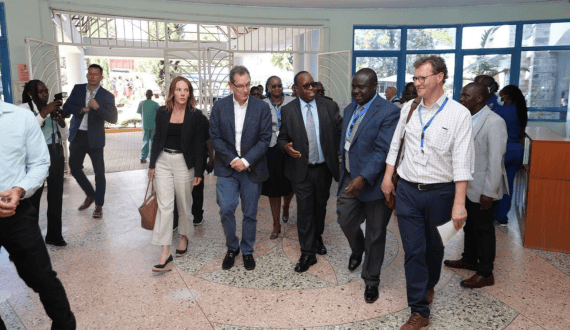
MTRH CEO welcomes Pfizer delegation to strengthen regional specialized healthcare delivery
MTRH Chief Executive Officer Dr. Philip Kirwa welcomed the Pfizer delegation and highlighted the importance of partnerships with global pharmaceutical companies in supporting the hospital’s efforts to improve patient care.
-
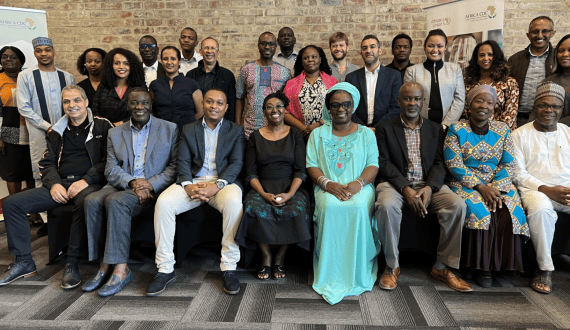
Africa CDC selected to represent global regional health bodies on WHO task force
The Task Force will develop options and recommendations for consideration by the Eightieth World Health Assembly.
-
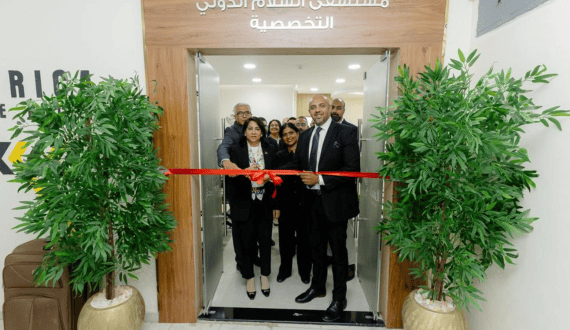
Alameda Healthcare Group expands regional footprint with new specialized clinic in Beni Suef
Located at El Nasr Mall on Ahmed Oraby Street, the clinic houses more than 20 specialized clinics staffed by experienced medical consultants.
-

Uganda receives mobile biosafety laboratory to strengthen response to Ebola outbreak
The mobile laboratory forms part of efforts to strengthen Uganda’s public health emergency preparedness following lessons from recent Ebola outbreaks.
-

Nigeria activates emergency task force to contain diphtheria outbreak in Katsina State
The Coordinating Minister of Health and Social Welfare, Prof. Muhammad Ali Pate, issued the directive as the government intensifies efforts to protect children from vaccine-preventable diseases and strengthen the country’s capacity to respond to outbreaks.