

World Health Organization (WHO)
-

WHO signs landmark regulatory cooperation agreement with African Medicines Agency at WHA79
Through the new framework, WHO and AMA will coordinate efforts to streamline approval processes, enhance post-market surveillance, and build regulatory workforce capacity.
-
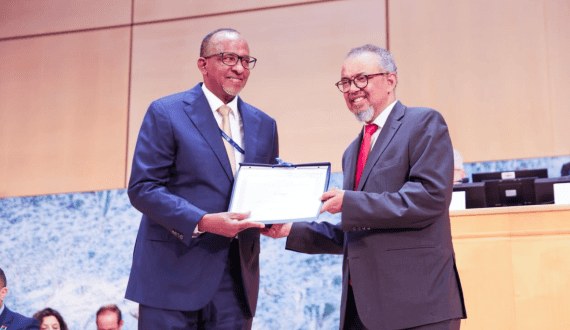
Kenya receives WHO certification for eliminating sleeping sickness in Geneva
WHO validated the elimination in June 2025, and Kenya made a national announcement in August 2025 before formally receiving the certification in Geneva.
-
WHO renews five-year partnership with Gilead Sciences to eliminate deadly Kala-Azar disease
Since the partnership began, Gilead has supplied more than 1.1 million vials of AmBisome and contributed over US$18 million in funding.
-
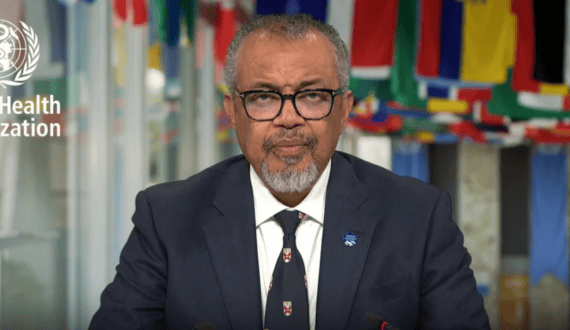
WHO declares Ebola global health emergency in DRC, Uganda
Health authorities in DRC and Uganda have already activated emergency response mechanisms, including contact tracing, case isolation, infection prevention measures, and enhanced treatment services.
-
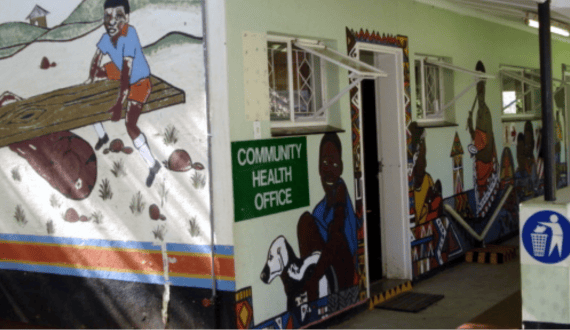
COHSASA intensifies healthcare quality drive as WHO warns 2030 SDG targets are off track
Globally, new HIV infections declined by 40% between 2010 and 2024, while the number of people requiring interventions for neglected tropical diseases dropped by 36% during the same period.
-

WHO validates Australia as first high-income nation to eliminate trachoma
The achievement places Australia among 63 countries globally and 16 in the WHO Western Pacific Region that have eliminated at least one NTD.
-

Sam Pharmaceutical opens WHO-GMP facility in Nigeria to increase local drug production
The project received financial backing from First City Monument Bank (FCMB) and the Bank of Industry (BoI), reflecting a coordinated push to support local industry growth.
-

WHO validates Algeria’s elimination of trachoma as a public health problem
Current estimates indicate that about 1.9 million people live with blindness or visual impairment caused by trachoma, while approximately 97 million people remain at risk in endemic areas.
-

Big Catch-Up vaccination drive reaches 18M children, reversing pandemic immunity gaps
Programme implementation concluded on March 31, 2026, with the global initiative on track to exceed its target of reaching at least 21 million under-immunised children.
-

Measles mortality in Africa drops as immunization programs avert 20M deaths since 2000
Nine countries now maintain consistently low measles incidence rates, reporting fewer than five cases per million residents.