

WHO validates Bhutan’s elimination of dog-transmitted rabies as public health problem
Bhutan’s achievement follows more than a decade of investment in a One Health approach, which recognizes the close links between human, animal and environmental health.
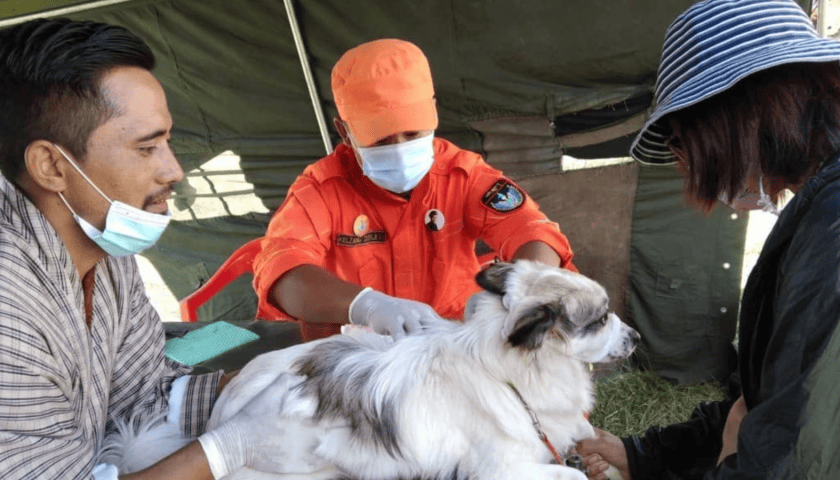
BHUTAN—The World Health Organization (WHO) has validated Bhutan’s elimination of dog-transmitted rabies as a public health problem, making it the first country in the WHO South East Asia Region to achieve this milestone.
Rabies is a viral disease that is almost always fatal once clinical symptoms develop.
However, deaths can be prevented through dog vaccination and timely post exposure prophylaxis (PEP).
Vaccinating dogs reduces transmission at its source, while PEP prevents the virus from reaching the central nervous system after exposure.
PEP includes thorough wound washing, a course of human rabies vaccine and, when indicated, rabies immunoglobulin.
One Health approach drives progress
Bhutan’s achievement follows more than a decade of investment in a One Health approach, which recognizes the close links between human, animal and environmental health.
The country has integrated human and animal health surveillance, coordinated planning and targeted resource allocation to strengthen rabies prevention and control.
When authorities report a suspected rabies case, health and veterinary teams work together to identify people who may have been exposed and conduct joint field investigations when necessary.
“Bhutan’s success shows that the health of humans, animals and the environment we share is inextricably linked,” said Dr Tedros Adhanom Ghebreyesus, WHO Director-General.
“By uniting health workers, veterinarians and communities, Bhutan has shown that the fight against rabies is won not in silos, but through solidarity across all sectors.”
Bhutan has recorded no human deaths from dog mediated rabies since June 2023.
The country has also expanded dog vaccination, population management and community awareness activities nationwide.
Rigorous validation process
WHO’s validation followed a two phase assessment conducted with support from the World Organisation for Animal Health (WOAH).
The regional Dossier Review Group first reviewed Bhutan’s evidence and then conducted a field mission from August 17 to 22, 2026.
During the mission, the team visited health facilities at national, regional and sub district levels, reviewed programme records and information systems, and conducted laboratory assessments.
The team also visited the Bhutan India border and consulted health workers, veterinary professionals and other stakeholders.
Dr Nilesh Buddha, Officer in Charge of the WHO South East Asia Region, said Bhutan’s progress demonstrates that eliminating dog mediated human rabies is possible when national leadership, effective One Health systems and community participation work together.
Bhutan commits to sustaining progress
Bhutan will maintain free access to PEP across all 20 Dzongkhags and continue mass dog vaccination, population management and integrated human and animal surveillance.
These activities will continue under the next phase of the Nationwide Accelerated Dog Population Management and Rabies Control Programme and through the Inter-Ministerial Committee on One Health.
Bhutan also plans to strengthen cooperation with neighbouring Indian states to reduce the risk of cross-border transmission.
Bhutan’s Ministry of Health and Ministry of Agriculture and Livestock have led the programme, with support from the De Suung National Volunteer Service, local communities, WHO, and WOAH.
Financing has come from the Bhutan Health Trust Fund and partners, including the Pandemic Fund.


Be the first to leave a comment