
Partnerships & Mergers
-
Eli Lilly discontinues Gaucher type 1 gene therapy trial from Prevail buyout
Lilly disclosed the decision as part of its second-quarter results, removing a phase 1/2 study of LY3884961 in Gaucher disease type 1 (GD1) from its pipeline.
-

Chugai Pharmaceutical adopts Phylo’s agentic AI platform for drug discovery
Under the collaboration, Chugai scientists will use Biomni Lab to bring together AI capabilities and diverse biomedical resources within the company’s research environment.
-
Alteogen grants worldwide rights to ALT-B4 platform in US$365M hybrozyme expansion
Alteogen designed Hybrozyme to help convert biologic medicines that are traditionally administered through intravenous infusion into subcutaneous formulations.
-
H1 expands healthcare AI portfolio with Novo Nordisk StudyHub agreement
Novo Nordisk will also use H1’s technology to support several aspects of clinical research, including trial design, patient enrollment and clinical trial site selection.
-
Niagen Bioscience selects Evotec to advance Ataxia Telangiectasia Drug Candidate NB4168
The companies will work together to generate pharmacological and bioanalytical data needed to advance NB4168 toward clinical development.
-
Mayo Clinic, Stanford researchers develop blood test to predict cancer immunotherapy response
The test could also help clinicians identify patients who are unlikely to benefit from immunotherapy before treatment begins, potentially allowing them to consider alternative therapies sooner.
-
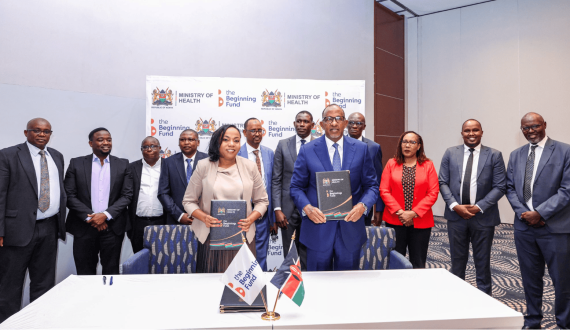
Ministry of Health signs US$80M deal with the Beginnings Fund for maternal care
The partnership will unlock KSh10.4 billion (US$80 million) over the next five years to accelerate implementation of Kenya’s Every Woman Every Newborn Everywhere (EWENE) Acceleration Plan and support the country’s 90-90-80-80 maternal and newborn health targets.
-

MiRecule partners with Rio Biofarma Brasil to develop next-generation extra-hepatic RNA delivery platforms
Under the agreement, MiRecule will combine its NAVIgGator platform, which is designed to support the development of precision RNA medicines, with RBBL’s expertise in peptide discovery, development, and manufacturing.
-
Johnson & Johnson expands in vivo CAR-T push with US$2.58B deal with Sail Biomedicines
Under the agreement, the companies will advance Sail’s lead programme, SAIL-0839, which is being developed to engineer CD4+ and CD8+ T-cells inside the body to treat immune-mediated diseases.
-
Brenntag inks strategic global agreement with Budenheim for GMP bioprocess phosphates
The partnership combines Budenheim’s manufacturing expertise with Brenntag’s biopharma services and distribution network.