Eli Lilly partners with Resilience to invest US$750M in expanding KwikPen manufacturing in Ohio
The investment will upgrade Resilience’s manufacturing operations in Ohio, where the company has produced Lilly’s Mounjaro and Zepbound since the partners began working together in 2023.
Published
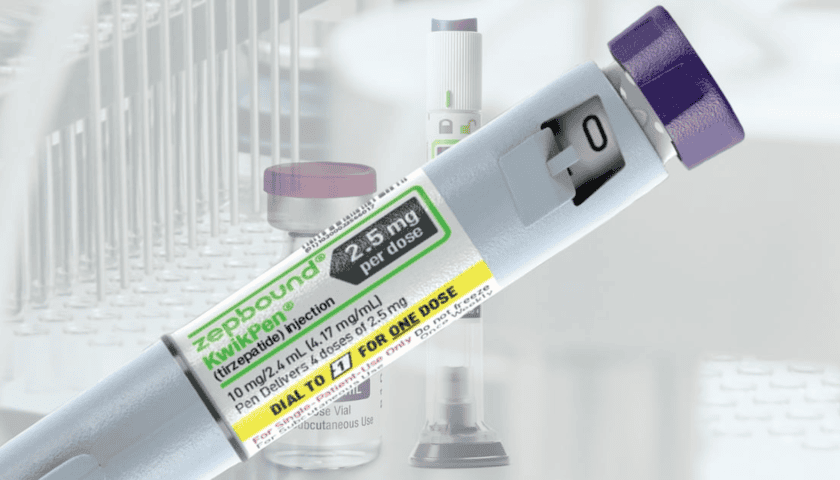
USA—Eli Lilly and its contract development and manufacturing organization (CDMO), Resilience, are investing US$750 million to expand manufacturing capacity for Lilly’s KwikPen injectable device, which is used with its diabetes and obesity medicines.
The investment will upgrade Resilience’s manufacturing operations in Ohio, where the company has produced Lilly’s Mounjaro and Zepbound since the partners began working together in 2023.
The expansion will create at least 400 jobs and increase Resilience’s Ohio workforce to more than 1,400 employees, the company said in a July 30 release.
The project will focus on manufacturing and assembling Lilly’s KwikPen prefilled injector, with full operations from the upgraded facility expected to begin in 2027.
Resilience recently relocated its headquarters from San Diego, California, to Blue Ash, Ohio, about 15 miles northeast of Cincinnati.
The company also operates a large drug-product manufacturing facility in nearby West Chester, giving it two major sites in the Cincinnati region.
The company said it has already produced 150 million doses of Lilly medicines in vial and prefilled-syringe formats.
William Marth, Resilience’s president and CEO, said the investment would support the development of a large sterile injectable and device assembly and packaging operation in the US.
Expanding Manufacturing Capacity
The latest investment builds on Resilience’s previous expansion plans.
In 2024, the company announced a US$225 million upgrade of two manufacturing plants, including its Ohio operations.
At the time, the company was operating three high-speed filling lines for vials, cartridges and prefilled syringes and planned to add a fourth.
Resilience launched in 2020 with US$800 million in initial funding and subsequently raised additional rounds of US$625 million and US$600 million by the end of 2021.
In 2023, it also secured a US$410 million loan from the US Department of Defense.
However, the company later consolidated its manufacturing network as demand across the biotech and CDMO sectors changed.
In June 2025, Resilience announced plans to close six of its 10 facilities, citing underutilization.
In October 2025, the company sold its gene therapy manufacturing facility in Durham, North Carolina, to Oxford Biomedica for US$4.5 million.
Resilience had acquired the site for US$110 million through a 2021 partnership with bluebird bio.
The restructuring left the company with facilities in Toronto and Philadelphia, alongside its two Ohio operations.
Lilly’s Growing Injectable Portfolio
The expansion comes as demand for Lilly’s injectable diabetes and obesity medicines continues to grow.
Mounjaro and Zepbound have become major products for the company, while Lilly is also advancing retatrutide, an investigational triple-agonist therapy for obesity and other metabolic conditions.
In clinical trials, retatrutide has produced weight reductions of up to 28.3% among adults with obesity.
Lilly has listed regulatory submissions for retatrutide among its key development milestones, potentially creating additional manufacturing requirements as the medicine advances toward approval.
Sign up HEREto receive our email newsletters with the latest news and insights from Africa and around the world, and follow us on LinkedInfor updates.


Be the first to leave a comment