

Africa CDC
-

Africa CDC launches high-level committee in Nairobi to reshape global health governance
The AHLMC aims to provide strategic direction and accountability as Africa engages in key global processes, including the Pandemic Agreement, International Health Regulations discussions, UN80-linked reforms, and broader global health financing debates
-

Africa CDC signs MoU with AFF to deploy 200,000 community health workers throughout Africa
Under the new three-year framework, Africa CDC and AFF will combine their strengths to help countries integrate CHWs into national health systems.
-

Africa CDC, European Union launch USD108M Global Gateway health initiatives
The partnership aligns with Africa CDC’s Health Security and Sovereignty Agenda, which seeks to help African countries build stronger systems that can prevent, detect, and respond to disease threats while reducing reliance on external support.
-
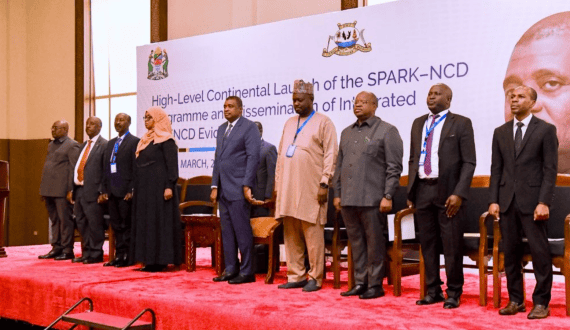
Africa CDC launches integrated SPARK-NCD programme in Zanzibar
SPARK-NCD addresses undiagnosed high blood pressure or diabetes by improving monitoring systems, training a skilled public health team, and integrating chronic disease information into current national health systems.
-

Africa CDC secures USD310M strategic investment at Lyon One Health Summit
Implementing these programs under Africa CDC leadership will enhance disease surveillance systems, expand laboratory infrastructure, and foster deeper partnerships with leading European research institutions.
-

Africa CDC appoints Prof. Osinbajo as senior strategic advisor
Prof. Osinbajo will help shape Africa’s presence in global health structures, design sustainable financing mechanisms for health systems, and promote regional manufacturing capabilities.
-

Addis Ababa confirmed as host for CPHIA 2026
The anticipated conference will draw more than 30,000 in-person participants from across Africa and the global community.
-

Africa CDC partners with GAFFI to launch first continental strategy against fungal diseases
The summit concluded with stakeholders committing to strengthen surveillance systems, build diagnostic capacity, and expand access to treatment throughout the continent.
-

Africa CDC signs historic Health Security partnership agreement with ECDC in Ethiopia
The partnership will focus on joint initiatives addressing antimicrobial resistance, vaccine-preventable diseases, and emerging health threats.
-

Africa CDC partners with Japan Institute for Health Security to strengthen continental disease preparedness
The agreement establishes a structured framework for tackling emerging and re-emerging public health threats while strengthening pandemic prevention and preparedness systems.