

artificial intelligence (AI)
-

Saudi Arabia’s Global Health Exhibition 2026 to showcase AI-driven healthcare transformation
The Kingdom’s digital health market is projected to reach US$11.07 billion by 2033, highlighting growing demand for advanced healthcare technologies.
-
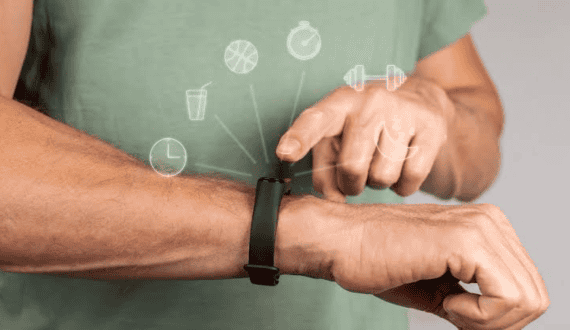
Mayo Clinic chooses Exer AI’s Exer Scan platform to modernize musculoskeletal diagnostics
Through the expanded partnership, Mayo Clinic will clinically integrate Exer AI’s hand and wrist module into its orthopaedic workflows to support musculoskeletal care.
-

Abbott partners with Google Health to bring AI-powered metabolic health insights to consumers
The AI-powered guidance will focus on building sustainable habits related to diet, physical activity, recovery and sleep, helping individuals make informed lifestyle decisions in real time.
-

Philips expands connected patient monitoring ecosystem with six technology partnerships
The partnerships will enable healthcare providers to integrate wearable and out-of-hospital monitoring technologies into the Philips ecosystem.
-

US researchers use generative AI to design functional synthetic viruses in scientific breakthrough
The team chemically synthesised nearly 300 of the AI-generated genomes and tested them in laboratory conditions, with sixteen of the resulting viruses proving viable.
-
Evotec inks AI drug discovery deal with Odyssey Therapeutics for inflammatory diseases
The companies will combine Evotec’s screening technologies, compound libraries and AI-enabled discovery platform with Odyssey’s expertise in the biology of autoimmune and inflammatory diseases.
-

Abu Dhabi partners with Eight Sleep to study AI-powered sleep technology for sleep apnoea care
The initiative supports Abu Dhabi’s broader strategy to use digital health technologies, real-world evidence and artificial intelligence to advance preventive and personalised healthcare.
-

H1 expands healthcare AI portfolio with Novo Nordisk StudyHub agreement
Novo Nordisk will also use H1’s technology to support several aspects of clinical research, including trial design, patient enrollment and clinical trial site selection.
-
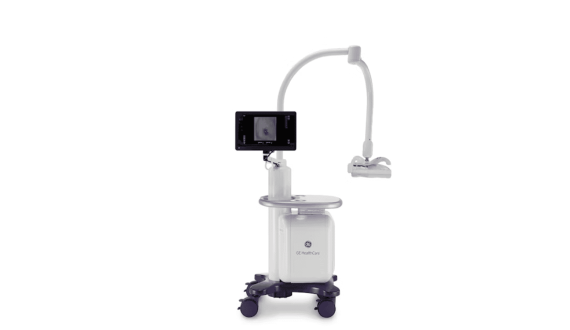
GE HealthCare expands breast imaging portfolio with new AI-powered ultrasound duo
The company has launched Invenia Automated Breast Ultrasound (ABUS) Prime and ABUS StreamVue, which target different stages of the breast imaging workflow.
-

RadNet subsidiary DeepHealth gains 510(k) FDA approval for breast ultrasound AI
DeepHealth Breast Ultrasound automates several stages of breast ultrasound examinations, including lesion detection, characterisation and reporting.