Skip to content


Abu Dhabi Stem Cells Centre
-
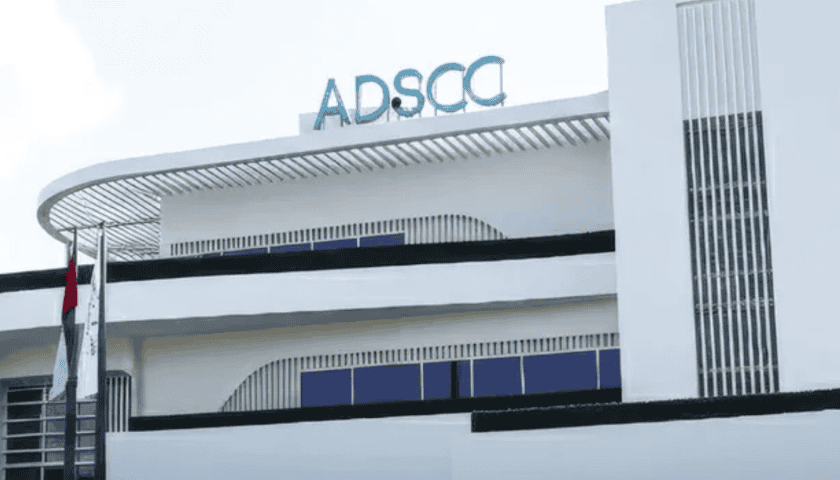
Abu Dhabi Stem Cells Centre discovers new potential treatment target for Huntington’s disease
The findings, generated using patient-derived stem cells and advanced brain models, could support the development of targeted therapies for Huntington’s disease, which progressively damages movement, cognitive function and behavioural control.
-

Abu Dhabi’s Yas Clinic successfully delivers landmark CASGEVY gene treatment
This cutting-edge approach represents a major advancement in how doctors can treat genetic diseases by directly modifying the faulty genes responsible for these conditions.