

Ghana
-

WHO supports Ghana’s clinical trial capacity assessment across 15 institutions
Participants included researchers, scientific leaders, women scientists, and private sector representatives, reflecting the diversity of Ghana’s research community.
-
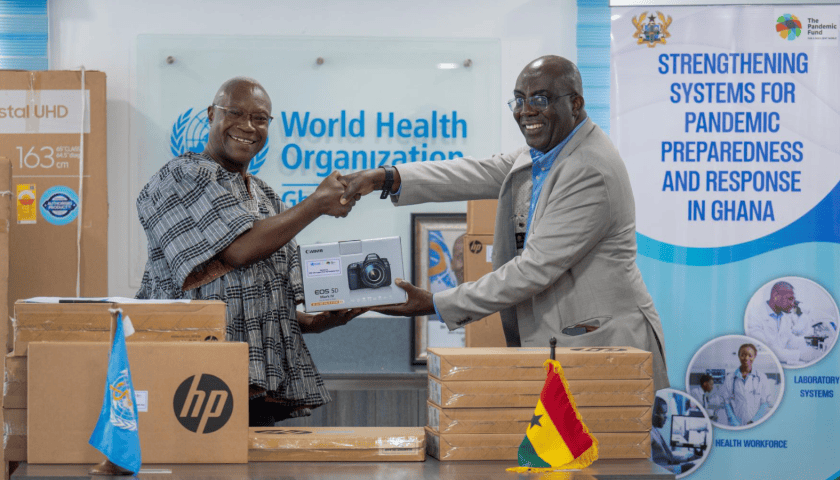
WHO hands over US$19,900 in ICT equipment to University of Ghana Public Health School
The new equipment will support a range of academic and institutional activities at the school. These include data analysis, research, lectures, seminars and virtual engagements.
-
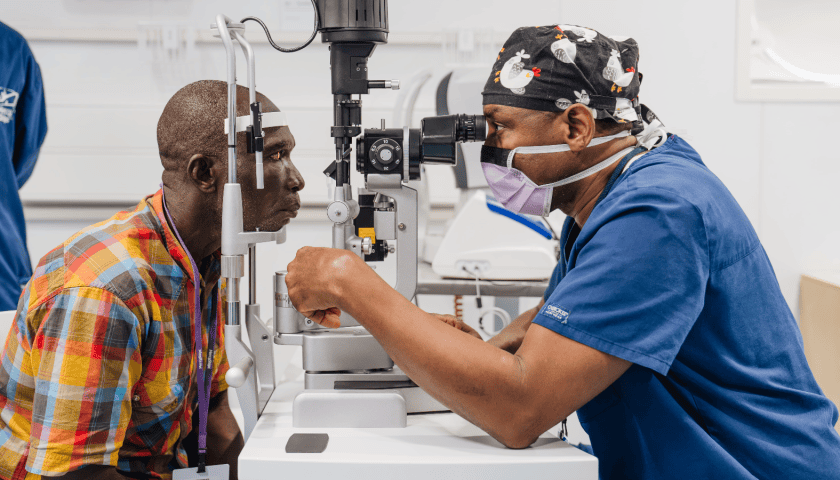
Global Mercy begins 10-month field service in Ghana to address surgical backlogs
During the field service, Mercy Ships expects to perform between 1,900 and 2,600 surgeries and provide between 1,600 and 2,000 dental treatments free of charge.
-

MSD convenes high-level UHC policy roundtable with Africa Health Business in Accra
The meeting brings together stakeholders to discuss practical approaches to strengthening Ghana’s health system and advancing national UHC priorities.
-

Mercy Ships’ Global Mercy begins 10-month surgical mission in Ghana
Mercy Ships first arrived in Ghana in 1991 and has since worked with the government to provide more than 2,670 surgical procedures and over 18,120 dental procedures.
-
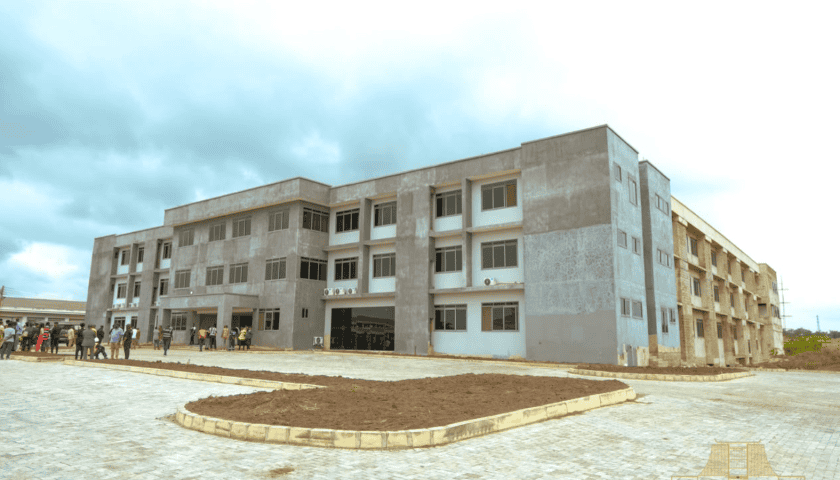
UHAS Mega-Lab construction resumes under President Mahama’s Reset Agenda
The renewed work aims to complete the university’s 5,300-square-metre Laboratory Complex, a project that began in 2014 but stalled for several years.
-

Ghana launches WHO-UNDP AI-powered digital health program to strengthen healthcare systems
The initiative, implemented with the Ministry of Health in Ghana, arrives at a time when countries are increasingly adopting digital technologies to address complex health challenges such as climate-sensitive diseases and unequal access to care.
-
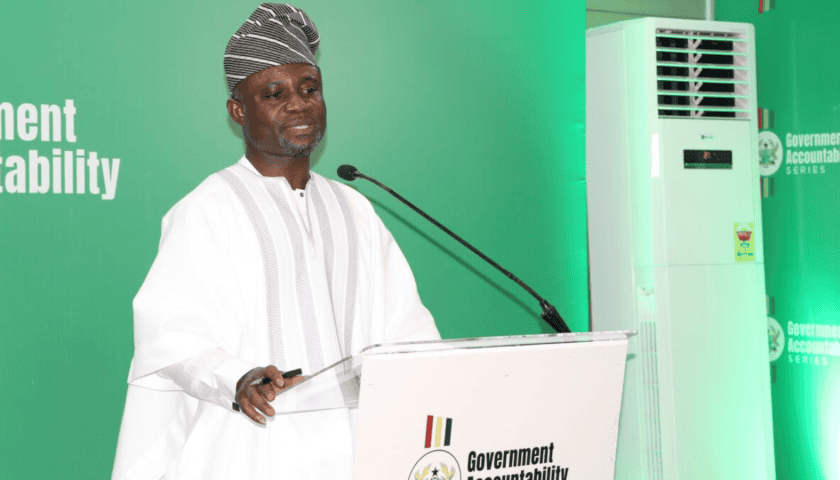
Ghana launches free primary healthcare for 150 underserved districts
The government plans to establish over 350 container-based service delivery points in high-traffic areas throughout the country.
-

Ghana completes Health Security Action Plan to improve preparedness and reaction to pandemics
The plan itself serves as a practical guide for improving Ghana’s health defenses across multiple fronts, from enhancing laboratory capabilities to strengthening border health measures.
-
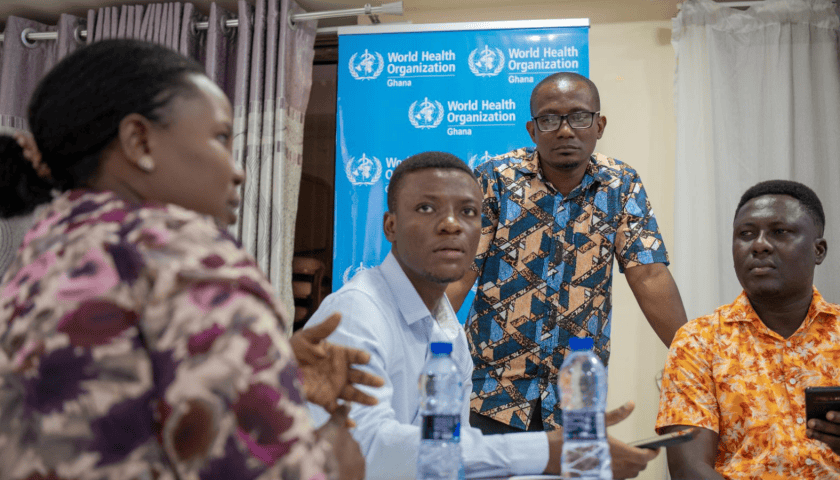
Ghana, WHO convenes strategic rotavirus surveillance review in Koforidua
The vaccine has averted over 1.8 million cases and reduced rotavirus-related hospitalizations by 42 percent.