

Disease Updates
-
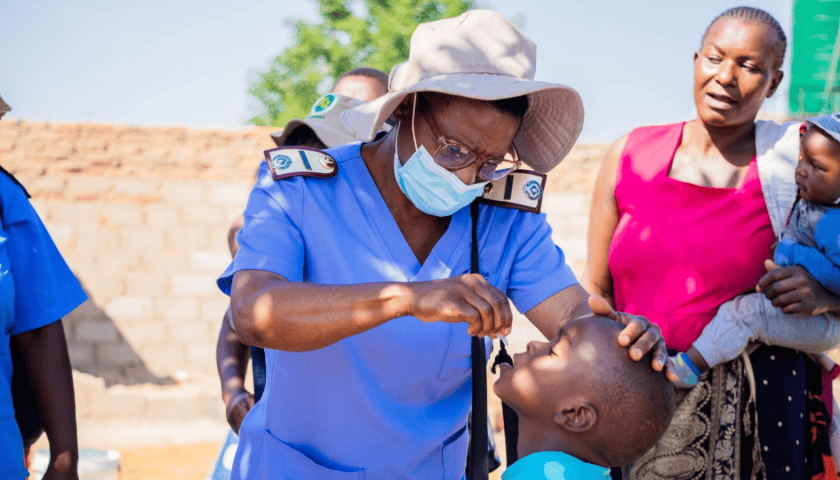
Zimbabwe completes three-round polio vaccination drive to curb cross-border virus spread
The campaigns vaccinated 936,618 children during the first round, 997,941 during the second and 1,025,806 during the third.
-

Africa CDC urges US to lift Ebola-related entry restrictions on Uganda
The country has also discharged its last Ebola patient and entered the 42-day countdown required to declare the outbreak over.
-
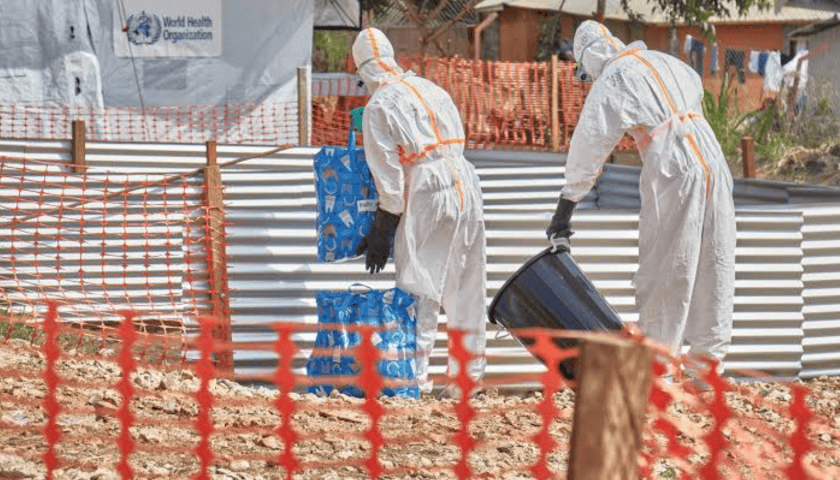
US commits US$1M to strengthen Tanzania’s Ebola preparedness against Bundibugyo strain
Although Tanzania has not reported any confirmed Ebola cases, the government continues to enhance preparedness measures through its national contingency plans.
-

WHO launches EBO-PEP trial to test Obeldesivir for preventing Bundibugyo Ebola outbreak
The EBO-PEP platform trial, which has been under development since 2024, will evaluate several medicines as post-exposure prophylaxis for people who have had high-risk contact with filoviruses, the virus family that includes Bundibugyo Ebola.
-

Kenya records 35,867 new cancer cases in latest GLOBOCAN 2024 estimates
Breast cancer remains the country’s most commonly diagnosed cancer, accounting for 5,822 new cases, or 16.2% of all cancers.
-
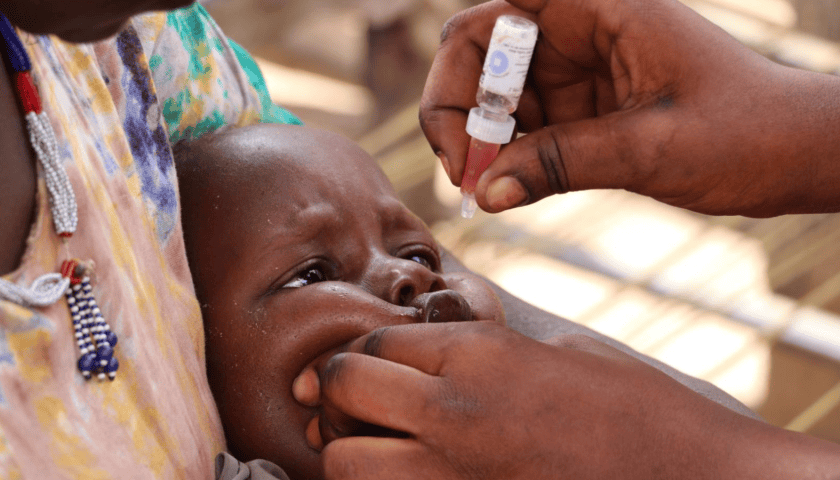
Ethiopia vaccinates over 1M children in synchronized polio campaign along South Sudan border
The initiative focused on border communities, refugee camps, and other vulnerable areas where frequent cross-border movement increases the risk of disease transmission.
-
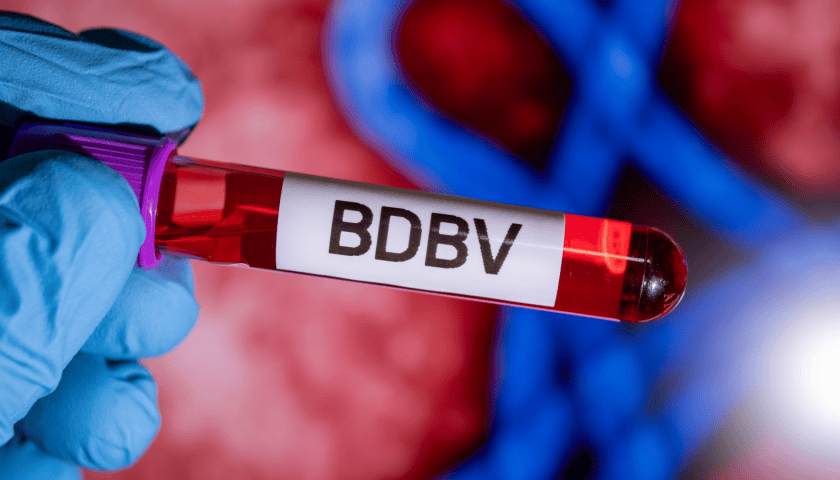
Africa CDC appeals for US$18 M to fund Ebola therapeutic trials
Unlike previous Ebola epidemics caused by the Zaire strain, the current Bundibugyo outbreak has no licensed vaccine or approved treatment, making research an urgent public health priority.
-
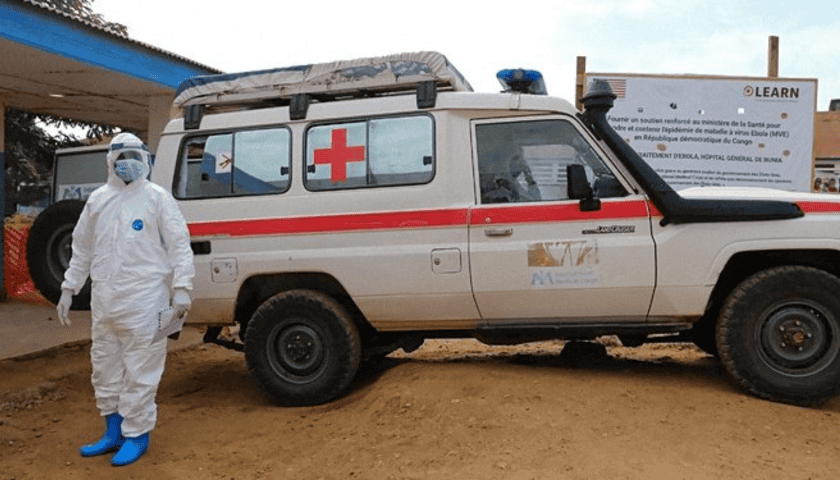
Japan pledges US$3.5M emergency grant for Ebola containment in DRC, Uganda
Japan will channel the support through the International Federation of Red Cross and Red Crescent Societies (IFRC), the World Food Programme (WFP), and the United Nations Children’s Fund (UNICEF).
-
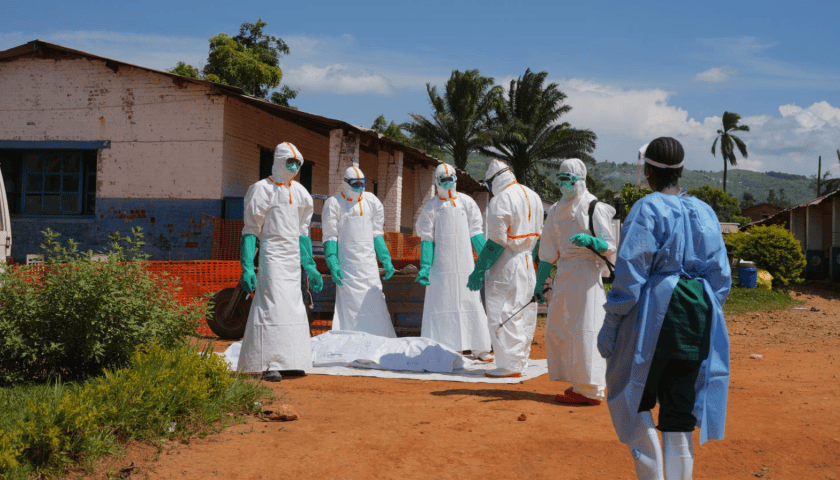
CDC mobilizes US$107M in emergency funding to fight exploding Bundibugyo Ebola outbreak
The funding comes at a critical time, with health officials warning that the outbreak caused by the rare Bundibugyo strain of Ebola could become one of the most severe in history.
-
African Union secures US$910M pledge to fight Bundibugyo Ebola outbreak
The commitment was announced during a High-Level Emergency Meeting convened by H.E. Évariste Ndayishimiye, President of Burundi and Chairperson of the African Union.