

Disease Updates
-
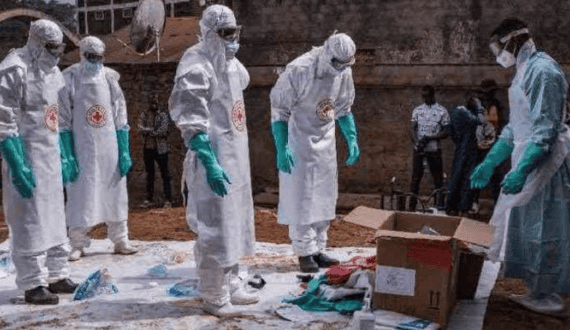
WHO issues first comprehensive clinical guidelines for flavovirus care amid ongoing Bundibugyo outbreak
The new framework sets out 16 evidence-based recommendations designed to strengthen patient care and improve survival rates during outbreaks.
-
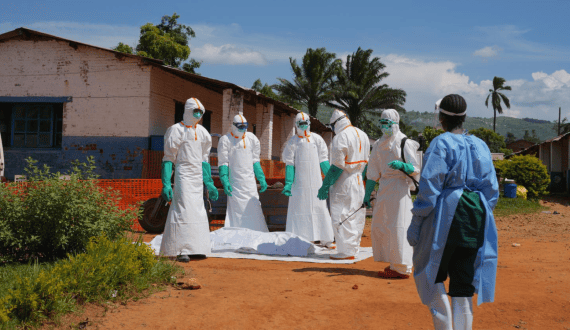
European Commission allocates US$12.54M to Africa CDC to scale up genomic Ebola outbreak response
The initiative focuses on expanding genomic sequencing capacity, improving molecular diagnostics, and enhancing real-time disease surveillance across African health systems.
-
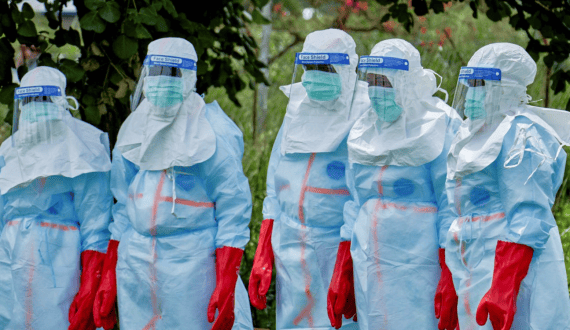
Gavi mobilizes US$50M First Response Fund to fight Bundibugyo Ebola outbreak
The initiative will also involve coordination with World Health Organization, Africa Centres for Disease Control and Prevention, and UNICEF to ensure alignment with national outbreak response plans and immunization priorities.
-
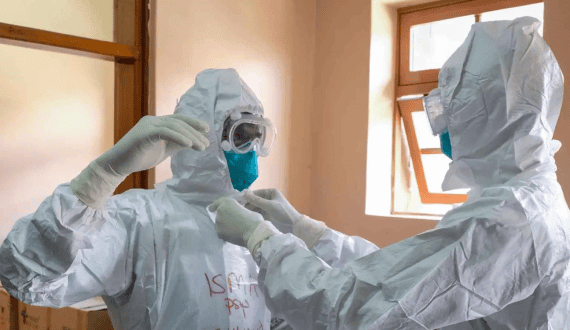
US pledges additional US$38M for Ebola outbreak response in DRC and Uganda
This new allocation builds on earlier support, which includes US$350 million in Ebola response and broader humanitarian assistance across the DRC, South Sudan, and Uganda.
-
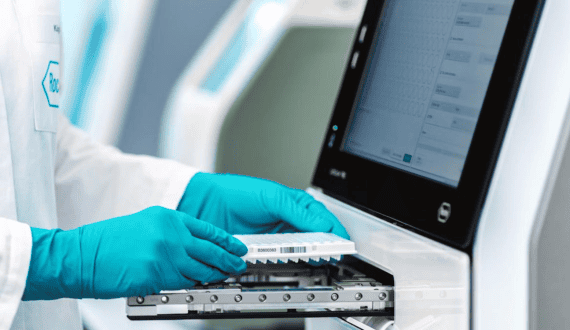
Roche accelerates development of rapid PCR test for Ebola Bundibugyo virus
The Bundibugyo strain remains particularly challenging because no approved vaccine or specific treatment is currently available.
-

WHO backs three experimental drugs for Bundibugyo Ebola outbreak
The latest recommendations come as health authorities continue to battle a widening outbreak in eastern DRC, with additional confirmed cases reported in Uganda.
-

African leaders mobilizes regional response to Bundibugyo Ebola outbreak
The leaders also pledged to protect essential services such as education, routine healthcare, cholera control and measles response efforts as countries confront the growing public health threat.
-
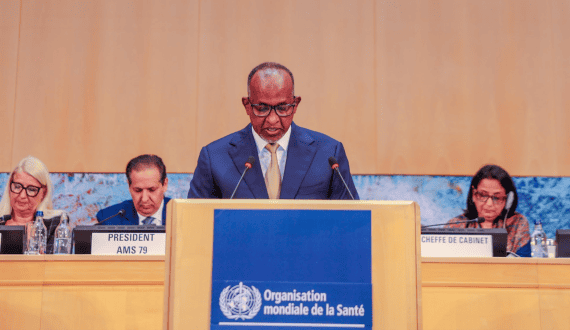
Kenya demands Global Equity in Ebola response funding at WHA79
Kenya aligned its position with the African regional statement presented by Zimbabwe on behalf of the WHO African Region, reinforcing a continent-wide call for equity at the heart of global health governance and emergency response.
-
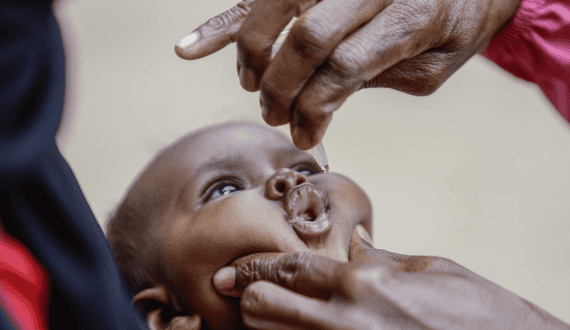
Guinea-Bissau closes 2021 variant poliovirus outbreak after GPEI review
The development marks another milestone for the West African nation, which was certified free of wild poliovirus in 2019 by the Africa Regional Commission for the Certification of Poliomyelitis Eradication.
-
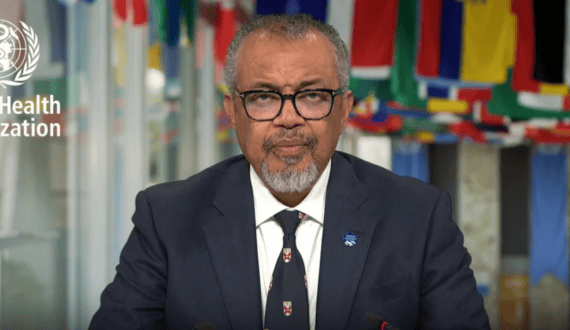
WHO declares Ebola global health emergency in DRC, Uganda
Health authorities in DRC and Uganda have already activated emergency response mechanisms, including contact tracing, case isolation, infection prevention measures, and enhanced treatment services.