

Hospitals
-
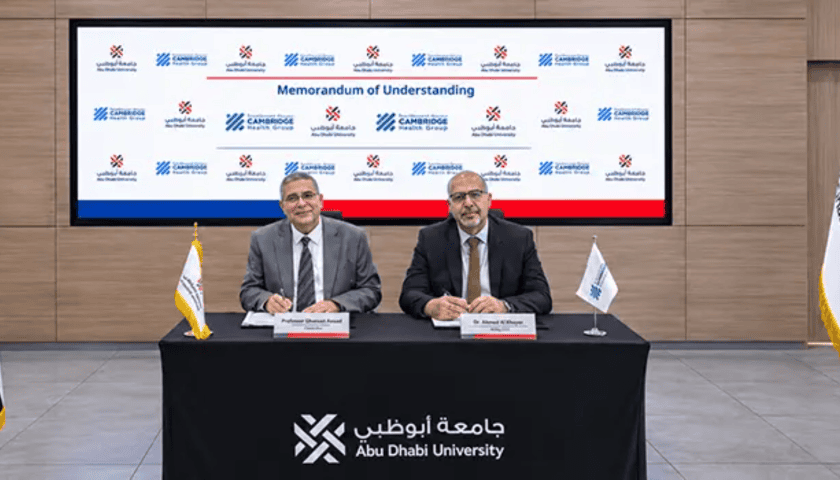
Cambridge Health Group signs five-year healthcare education partnership with Abu Dhabi University
The collaboration will combine the Group’s expertise in long-term care and post-acute rehabilitation with ADU’s capabilities in health sciences education and research.
-

Yas Clinic, ADSCC performs world’s fifth bone marrow transplant for NIK deficiency in UAE
The procedure, conducted under the Abu Dhabi Bone Marrow Transplant Program (AD-BMT®), involved treating Salah Al Farawi, whose condition resulted from a mutation in the MAP3K14 gene.
-
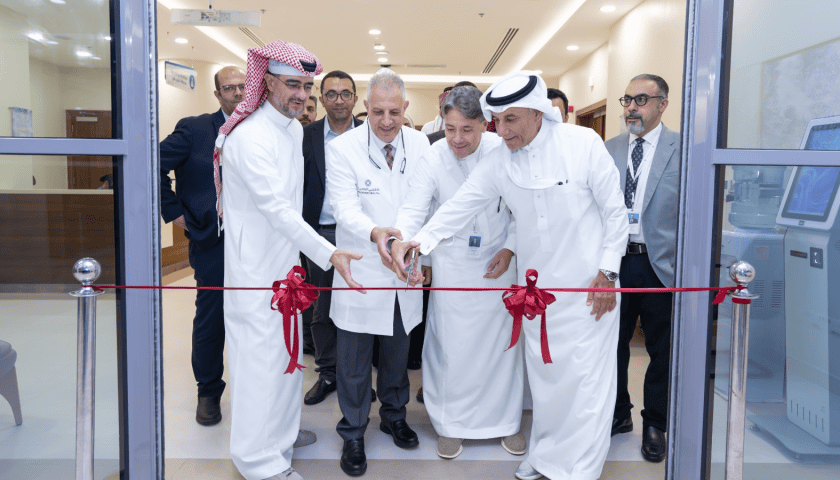
Magrabi Health opens ENT department in Jeddah to expand specialist care
It is equipped with modern medical technology and staffed by specialized medical professionals to support the diagnosis and treatment of patients.
-
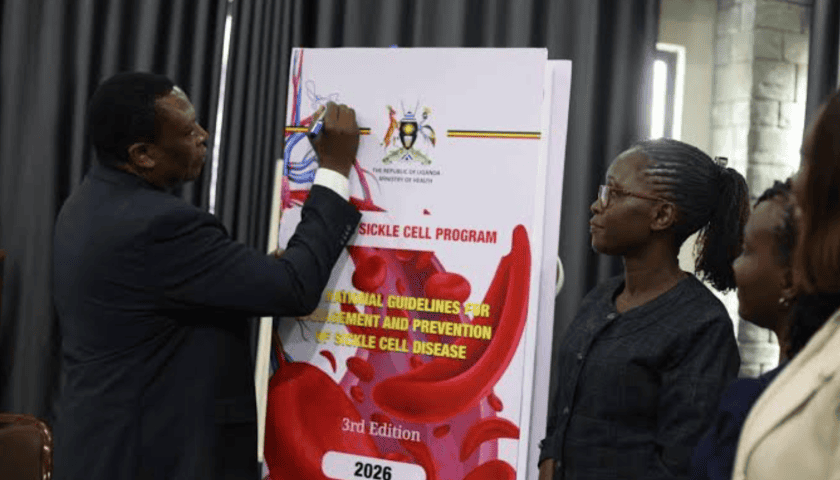
Uganda Ministry of Health launches National Guidelines to improve sickle cell disease care
The guidelines establish a coordinated framework for improving screening, clinical management and access to quality healthcare for people living with the condition.
-

Valeo Health launches UNLOCK longevity programme in UAE to advance preventive healthcare
The programme combines comprehensive blood testing, medical interpretation and personalised recommendations to give members a broader understanding of their health.
-

Aga Khan University Hospital performs first documented full-arm replantation in East Africa
The procedure involved specialists from Plastic and Reconstructive Surgery, Orthopaedic Surgery, Vascular Surgery, Anaesthesia and Critical Care.
-
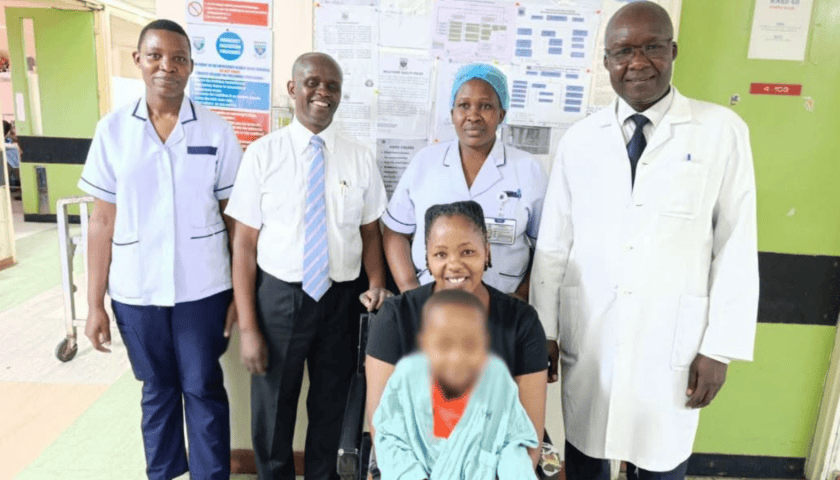
KNH performs two pioneering nerve reconstruction surgeries in Kenya
The procedures involved Targeted Sensory Reinnervation (TSR), a technique that redirects sensory nerves to help amputees regain sensation through prosthetic limbs.
-
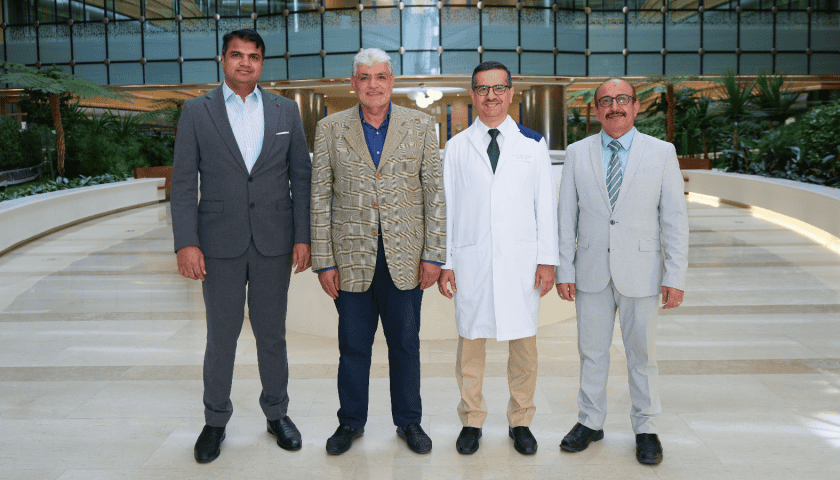
Sidra Medicine advances neonatal AI imaging research through global study
Led through the Medical AI Data for All (MAIDA) initiative at Harvard Medical School, the study explored ways to adapt existing AI technologies to neonatal care without requiring hospitals to share patient imaging data centrally.
-
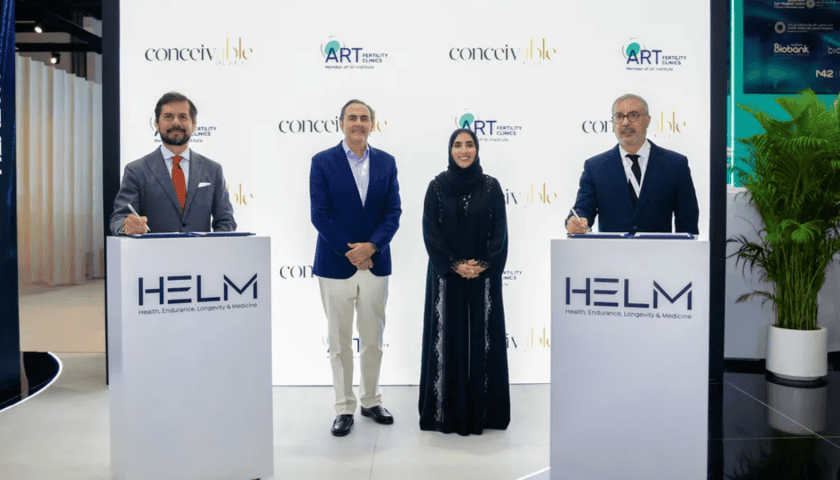
ART Fertility Clinics partners with Conceivable Life Sciences to explore robotic IVF technology in Abu Dhabi
The proposed collaboration covers laboratory infrastructure, workflow integration, training for clinical and laboratory teams, and the validation and regulatory requirements for potential deployment.
-
Magrabi Health places three Saudi facilities among Newsweek’s top 175 ophthalmology centres for 2027
The recognised facilities are Magrabi Health Eye in North Jeddah, Eye and Dental in Makkah, and Magrabi Health Eye and Ear on Madina Road in Jeddah.