

Healthcare delivery
-
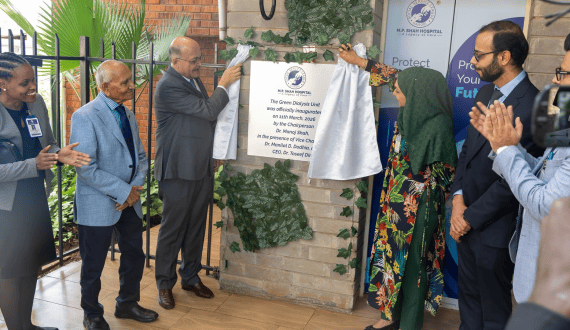
M.P. Shah Hospital opens Kenya’s first environmentally sustainable dialysis unit
The new unit employs advanced systems that optimize water usage during dialysis treatments, reducing waste without affecting treatment efficacy.
-

Egypt extends universal health insurance to the Minya Governorate
The ministry plans to enable electronic information exchange between facilities, which will streamline medical services and reduce administrative burdens on both healthcare providers and patients seeking treatment.
-

JOOTRH secures USD2.3M for major equipment upgrade, telemedicine launch
The management has allocated the funds specifically to address critical equipment shortages that currently limit the hospital’s service delivery capacity.
-
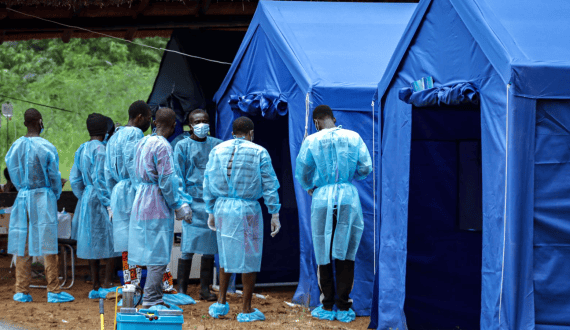
Angola completes 2025 Health Security Assessment to strengthen emergency preparedness
The IHR 2005 serves as the primary international legal instrument guiding WHO member states in preventing, detecting, and responding to public health emergencies.
-

Fidson Healthcare wins USD6.2 billion deal to boost local ARV production
This strategic approach aligns with President Bola Tinubu’s broader vision to unlock the healthcare value chain by empowering local pharmaceutical industries.
-

Sierra Leone exceeds HPV vaccine goal to protect 1M adolescent girls
Cervical cancer remains the deadliest malignancy affecting women in Sierra Leone and the second most common cancer among those aged 15 to 49, causing over 500 new cases and approximately 370 deaths annually.
-

New Maternity and Children’s Ward opens in Asukawkaw, Ghana
This latest facility marks the fourth maternity and children’s ward that the Lordina Foundation has constructed and transferred to local communities and Ghana’s Health Service.
-

Liberia’s JFK Medical Center unveils USD132.8M transformation plan amid major funding gap
The blueprint prioritizes infrastructure upgrades, expanded clinical services, digital transformation, and financial sustainability for the nation’s only tertiary teaching hospital.
-

Egypt to launch robotic surgery program in public hospitals
The programme will start with a pilot phase at the Nasser Institute Hospital in Cairo, serving as the testing ground for Egypt’s first robotic surgical system in the public sector.
-

Egypt opens diamond-accredited stroke unit at its new administrative capital hospital
Egypt currently runs 175 stroke units, comprising 113 primary facilities and 62 comprehensive centers.