
NAFDAC introduces measures to cut product registration costs for Nigerian MSMEs
By reducing registration barriers, NAFDAC aims to encourage more small manufacturers to formalise their operations and bring products into the regulated market.
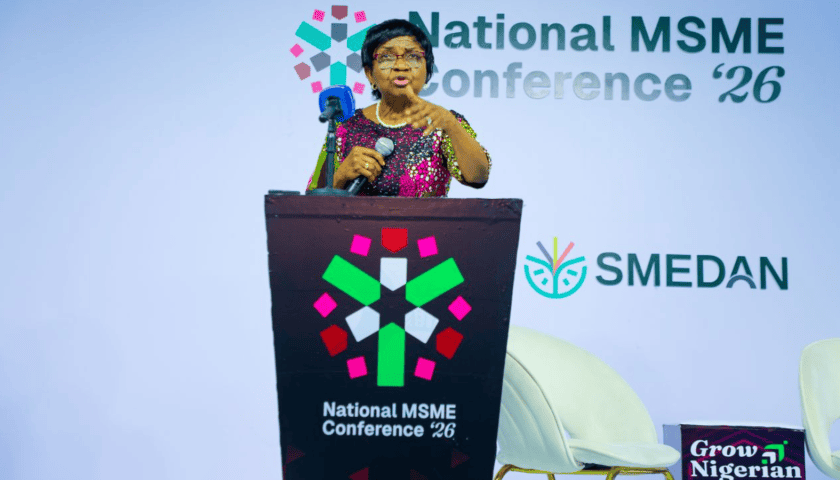
NIGERIA – Nigeria’s National Agency for Food and Drug Administration and Control (NAFDAC) has outlined measures to reduce regulatory costs for small businesses and strengthen local manufacturing and exports at the SMEDAN–NAFDAC Summit in Lagos on 9 November 2026.
Speaking at the event, held at the Ecobank Pan-African Centre in Victoria Island, NAFDAC Director-General Prof. Mojisola Adeyeye said the Agency was committed to making product registration more accessible to micro, small and medium-sized enterprises (MSMEs).
She described the sector as an important source of employment, local product development and industrial growth.
Lower registration costs and simplified procedures
Prof. Adeyeye highlighted several initiatives designed to reduce the financial and administrative burden of regulatory compliance for smaller businesses.
These include a 50 per cent reduction in product registration fees for companies employing five or fewer people.
NAFDAC has also introduced electronic and assisted registration through its Automated Product Administration and Monitoring System (NAPAMS), alongside a dedicated Small Business Support Desk.
Other measures include faster laboratory analysis, decentralised registration services at zonal offices and shared-facility registration for eligible low-risk products.
The initiatives are intended to make regulatory services more accessible, particularly for businesses with limited financial and technical resources.
By reducing registration barriers, NAFDAC aims to encourage more small manufacturers to formalise their operations and bring products into the regulated market.
Export support and quality compliance
The Agency is also targeting barriers that limit the participation of Nigerian MSMEs in international trade.
Its support includes export certification, laboratory testing, technical guidance and training in Good Manufacturing and Hygiene Practices.
These services are designed to help local manufacturers meet destination-market requirements, reduce the risk of product rejection at foreign ports and improve access to international distribution channels.
For Nigeria’s manufacturing sector, stronger regulatory compliance among smaller producers could improve product consistency, support export diversification and create opportunities for local businesses to participate in regional and international supply chains.
NAFDAC urges early regulatory engagement
Prof. Adeyeye encouraged MSMEs to engage the Agency early in their product development and registration processes.
She also urged businesses to keep registrations up to date, integrate quality controls throughout production and comply with applicable regulatory requirements.
She cautioned manufacturers against relying on intermediaries or making payments to unauthorised individuals to access NAFDAC services.
The Agency’s registration and approval processes, she emphasised, are transparent and accessible to eligible applicants.

Be the first to leave a comment