WHO validates Algeria’s elimination of trachoma as a public health problem
Current estimates indicate that about 1.9 million people live with blindness or visual impairment caused by trachoma, while approximately 97 million people remain at risk in endemic areas.
Published
ALGERIA—The World Health Organization (WHO) has officially validated Algeria as having eliminated trachoma as a public health problem, marking a significant achievement for the country.
With this milestone, Algeria becomes the 10th country in WHO’s African Region and the 29th globally to reach this target.
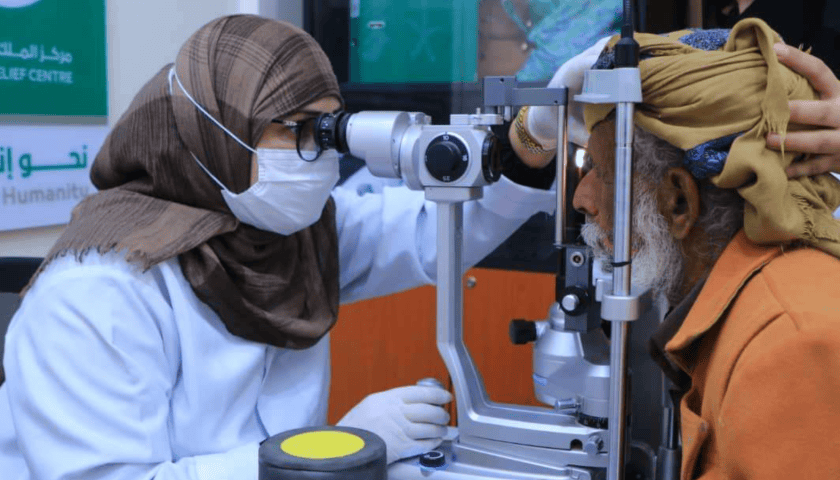
Trachoma, an infectious eye disease, remains the leading infectious cause of blindness worldwide.
Despite global progress, the disease is still endemic in 30 countries and continues to affect millions.
Current estimates indicate that about 1.9 million people live with blindness or visual impairment caused by trachoma, while approximately 97 million people remain at risk in endemic areas.
The disease is caused by the bacterium Chlamydia trachomatis and spreads through contact with infected eye discharge, often via hands, clothing, or flies.
Over time, repeated infections can lead to scarring of the eyelid, causing eyelashes to turn inward—a painful condition known as trachomatous trichiasis—which can ultimately result in blindness if left untreated.
Leadership and commitment to elimination
Commenting on the achievement, Tedros Adhanom Ghebreyesus, Director-General of WHO, described Algeria’s success as a historic public health triumph rooted in decades of sustained commitment.
He emphasized that the milestone demonstrates how strong political will and dedicated health professionals can eliminate neglected tropical diseases and build more resilient health systems.
Algeria’s efforts to combat trachoma date back to the early 20th century, beginning with the establishment of the Pasteur Institute of Algeria in 1909.
Following independence, local physicians, led by Professor Mohamed Aouchiche, advanced these efforts.
The country further strengthened its response by introducing a national public healthcare system in 1974, which ensured free access to essential health services.
Implementation of the SAFE Strategy
Over the years, Algeria adopted the WHO-recommended SAFE strategy, a comprehensive approach to eliminating trachoma.
This strategy includes surgery to treat advanced stages of the disease, mass administration of antibiotics, public awareness campaigns promoting facial cleanliness, and improved access to water and sanitation.
Together, these interventions significantly reduced disease transmission and improved overall eye health.
To accelerate progress, Algeria launched a targeted three-year strategy between 2013 and 2015.
During this period, the government established a National Expert Committee and focused on 12 southern provinces where trachoma remained prevalent.
These regions included Adrar, Laghouat, Biskra, Béchar, and Tamanrasset, among others.
Surveillance and validation process
Subsequent WHO-compliant surveys conducted in 2022 confirmed that Algeria had met the elimination threshold for active trachoma across all regions.
Although three areas initially fell short of the threshold for trachomatous trichiasis, health authorities conducted door-to-door screening and treatment campaigns to address these gaps.
In December 2025, Algeria’s Ministry of Health submitted a comprehensive dossier to the WHO, providing evidence that the country had met all criteria required for validation.
The country’s strong health infrastructure—including a well-established school health system, robust health information systems, widespread access to water and sanitation, and extensive eye care services—played a crucial role in achieving and sustaining this milestone.
Regional perspective and continued monitoring
Mohamed Janabi, WHO Regional Director for Africa, highlighted the broader impact of trachoma, noting that the disease severely affects individuals and communities by limiting productivity and livelihoods.
He described Algeria’s achievement as a transformative step that improves families’ well-being and demonstrates that eliminating neglected tropical diseases is achievable through coordinated efforts.
Despite the validation, the WHO recommends continued surveillance to prevent any resurgence of the disease.
The organization is currently supporting Algeria’s health authorities in monitoring previously affected areas to ensure sustained progress.
Government response and national effort
Professor Mohamed Seddik Ait Messaoudene, Algeria’s Minister of Health, stated that WHO’s validation reflects years of coordinated action and sustained national commitment.
He noted that the achievement underscores the country’s ability to meet rigorous public health standards focused on prevention, equitable care, and improved living conditions.
He further emphasized that the success resulted from the collective efforts of healthcare professionals, government institutions, partners, and WHO’s technical support, all working together toward a common goal.
Sign up HEREto receive our email newsletters with the latest news and insights from Africa and around the world, and follow us on LinkedInfor updates.


Be the first to leave a comment