European Commission allocates US$12.54M to Africa CDC to scale up genomic Ebola outbreak response
The initiative focuses on expanding genomic sequencing capacity, improving molecular diagnostics, and enhancing real-time disease surveillance across African health systems.
Published
ETHIOPIA—The African Centres for Disease Control and Prevention (Africa CDC) has secured a renewed €11.5 million (US$12.54 million) commitment from the European Commission to strengthen Ebola outbreak preparedness and response across the continent.
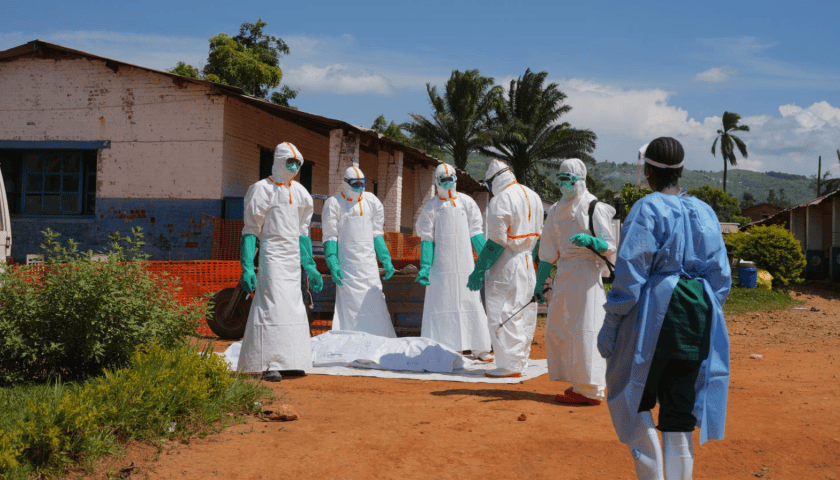
The funding comes as Africa continues to scale up emergency health systems amid the Bundibugyo Ebola outbreak, prompting heightened surveillance across Central and Eastern Africa.
Together, the two funding streams are expected to significantly boost coordination, laboratory capacity, and frontline response mechanisms led by the Africa CDC.
Strengthening laboratories, surveillance, and frontline capacity
A substantial portion of the €6.5 million (US$7.09 million) in EU funding will support the Africa Pathogen Genomics Initiative.
The initiative focuses on expanding genomic sequencing capacity, improving molecular diagnostics, and enhancing real-time disease surveillance across African health systems.
These tools are expected to help detect outbreaks earlier and track transmission patterns more effectively.
In addition, the European Commission will provide €5 million (US$5.45 million) worth of in-kind support, including rapid diagnostic kits, laboratory equipment, and testing supplies.
The resources will be deployed to high-risk and underserved areas where response capacity remains limited, strengthening early detection and rapid containment efforts.
EU–Africa health partnership deepens
During a visit to the Africa CDC headquarters in Addis Ababa, European Commissioner for Equality, Preparedness and Crisis Management Hadja Lahbib reaffirmed the importance of international cooperation in health emergencies.
She emphasized that strong partnerships remain central to saving lives and improving outbreak response capacity across borders.
She noted that the new package will help equip and train health workers, expand surveillance systems, and improve overall emergency response coordination.
The support is part of the broader African Union–European Union (AU–EU) Health Partnership, which aligns with the EU Global Gateway initiative and Africa’s health sovereignty agenda.
Leadership response from Africa CDC
Africa CDC Director General Dr Jean Kaseya welcomed the renewed partnership, describing it as a model of respectful collaboration without restrictive conditions.
He stressed that the institution intends to maximize the impact of the funding by strengthening humanitarian access and ensuring rapid deployment of resources to affected areas.
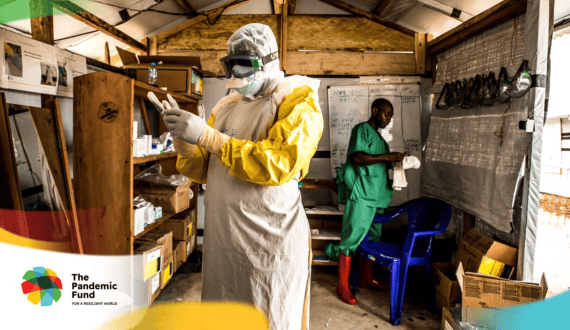
He further highlighted the urgency of protecting health workers on the frontlines of outbreak response, noting that improved support systems are essential to prevent avoidable losses during epidemics.
Expanding genomic surveillance across Africa
The European Commission also confirmed continued backing for the Africa Pathogen Genomics Initiative 2.0, with an additional €6 million ($6.54 million) allocated to strengthen sequencing and diagnostic surveillance systems.
The investment aims to improve cross-border monitoring of infectious diseases and enhance Africa’s ability to respond to emerging biological threats.
Long-term health security cooperation
The AU–EU Health Partnership continues to serve as a long-term framework for strengthening pandemic preparedness, advancing equitable healthcare access, and improving health system resilience across Africa.
Both sides have emphasized that sustained cooperation remains essential, particularly as infectious diseases continue to spread rapidly across borders and demand coordinated global responses.
Sign up HEREto receive our email newsletters with the latest news and insights from Africa and around the world, and follow us on LinkedInfor updates.


Be the first to leave a comment