

DRC launches 180-Day Plan to intensify response to Ebola outbreak
As of September 2, the outbreak had recorded 6,342 cases and 3,072 deaths, making it the second largest Ebola outbreak ever reported in the country and the fastest growing to date.
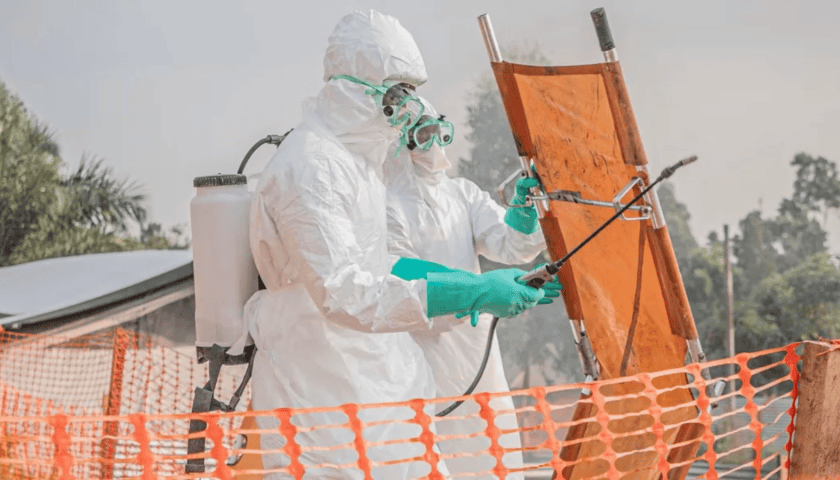
DRC—The Government of the Democratic Republic of Congo (DRC), with support from the World Health Organization (WHO), the United Nations system, Africa CDC and other partners, has launched a revised 180 day multisectoral response plan to contain the country’s 17th Ebola outbreak caused by the Bundibugyo virus.
The plan, unveiled in Kinshasa, seeks to strengthen coordination, accelerate the detection of cases and contacts, improve patient care, and prevent further transmission.
The launch, held at the WHO office in the DRC, brought together Minister of Public Health, Hygiene and Social Welfare Dr Samuel Roger Kamba, UN Resident Coordinator Damien Mama, Africa CDC Country Director Dr Hyppolite Kalambay Ntembwa, and Director General of the National Institute of Public Health Dr Dieudonné Mwamba.
Ambassadors, heads of diplomatic missions and representatives of technical and financial partners also attended.
Ebola outbreak expands across six provinces
The DRC is confronting one of its most serious health emergencies in recent years.
As of September 2, the outbreak had recorded 6,342 cases and 3,072 deaths, making it the second largest Ebola outbreak ever reported in the country and the fastest growing to date.
The outbreak has spread to 60 health zones across six provinces, placing additional pressure on surveillance, treatment, and transmission control efforts.
Health authorities are particularly concerned that many deaths continue to occur in communities.
In numerous cases, patients were not identified as contacts and did not reach health facilities, reducing opportunities for early treatment and intervention.
“Time is our most precious resource. Every case detected too late, every missed contact, and every delay in resource mobilization translates into lives lost,” said Dr Anne Ancia, WHO Acting Representative in the DRC.
She called for rapid, coordinated action to interrupt transmission and protect vulnerable populations.
Plan targets surveillance and community response
The revised plan will guide the response over the next six months. It prioritizes stronger epidemiological surveillance, contact tracing, patient care, community engagement and risk communication.
It also seeks to improve logistical capacity and strengthen preparedness in provinces at risk of further spread.
Dr Kamba said the government remained committed to protecting everyone in the country, including citizens and foreign nationals.
“The response goes beyond the health sector. It requires the commitment of all sectors, communities, partners, and donors so that we can end this epidemic together,” he said.
The plan requires US$1.3 billion to implement fully, whereby the funding will support efforts to break chains of transmission while limiting the wider health, humanitarian, and socioeconomic effects of the outbreak.
Partners call for faster funding
Mama said the Ebola response must form part of the broader humanitarian effort and called for sustained government leadership, community participation and international solidarity.
Africa CDC also reaffirmed its support for the government, citing lessons from previous Ebola outbreaks in the DRC.
Dr Kalambay said the new plan promotes a coordinated and decentralized response that places communities at the centre of efforts to control the disease.
Partners at the launch pledged to continue supporting the government and called for rapid mobilization of additional resources as the response enters its next phase.
Be the first to leave a comment