

JOOTRH completes historic first VNS epilepsy surgery in East Africa
Supported by LivaNova, the achievement expands the range of advanced neurological treatments available at the Level Six referral hospital in Kisumu.
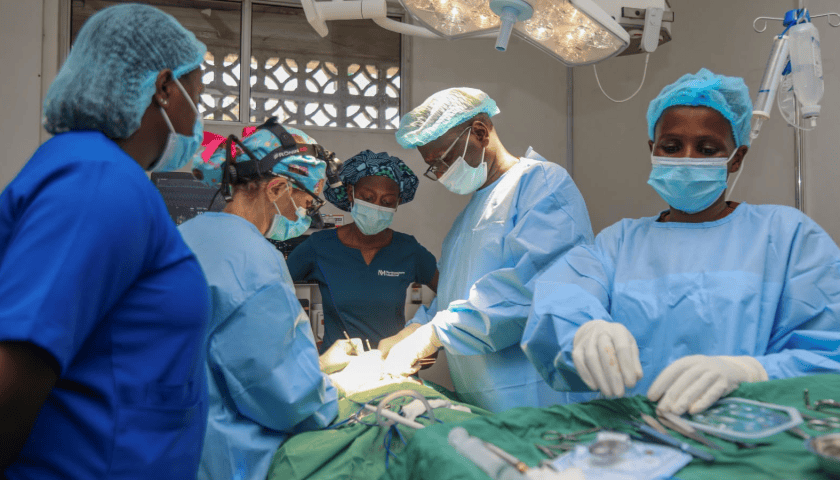
KENYA—Jaramogi Oginga Odinga Teaching and Referral Hospital (JOOTRH) has reached a major milestone in treating drug-resistant epilepsy after specialists implanted Vagus Nerve Stimulators (VNS) in patients during an ongoing neurosurgical camp at the hospital.
The procedure marks the first reported implantation of VNS devices in East, Central and Western Africa.
Supported by LivaNova, the achievement expands the range of advanced neurological treatments available at the Level Six referral hospital in Kisumu.
Advanced treatment for epilepsy
Neurosurgeons Dr Owiti and Dr Carrie Muh performed the procedures as part of the September neurosurgical camp, organised by the Kisumu Neuroscience Initiative in partnership with JOOTRH.
The camp provides patients with access to specialised procedures for complex brain and spine conditions while also strengthening local neurosurgical capacity.
VNS is an established treatment for people with drug-resistant epilepsy, particularly patients whose seizures remain poorly controlled despite treatment with anti-seizure medicines.
The technology offers another option for patients who continue to experience frequent seizures despite conventional medical treatment.
The VNS system consists of a small device implanted under the skin, usually in the chest.
Doctors connect the device to the vagus nerve in the neck, allowing it to deliver regular electrical stimulation that can help regulate abnormal electrical activity associated with seizures.
Clinical use of VNS has shown that the treatment can reduce seizure frequency and severity in some patients.
For individuals whose epilepsy has remained difficult to control with medicines, the therapy can therefore provide an opportunity for better seizure management and improved quality of life.
Expanding specialised neurological care
The introduction of VNS at JOOTRH also supports efforts to expand access to highly specialised medical services within the region.
Patients who previously had to seek advanced neurological treatment outside the country may now have access to some of these procedures closer to home.
In addition, the achievement demonstrates JOOTRH’s growing capacity to perform complex neurosurgical procedures through collaboration with specialist teams, medical technology companies, and targeted clinical programmes.
The September neurosurgical camp has treated patients with complex neurological conditions while creating opportunities for local healthcare professionals to gain exposure to advanced technologies and specialised surgical techniques.
The successful implantation of the VNS devices adds another specialised treatment option for patients with drug-resistant epilepsy and further expands the neurological services available at JOOTRH.
Be the first to leave a comment