

CSL inks US$1.55B global licensing deal with Alentis Therapeutics for Lixudebart
Lixudebart targets Claudin-1, a protein associated with tissue fibrosis, the process through which excessive scar tissue accumulates and damages organs.
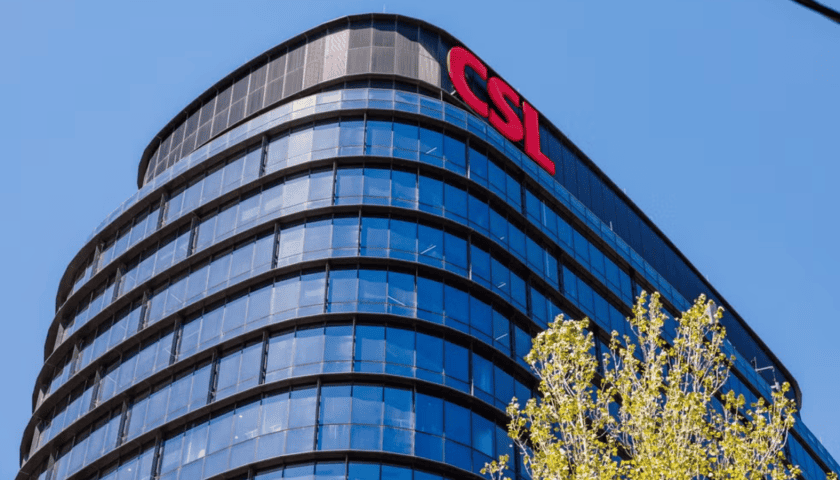
AUSTRALIA—CSL has signed an exclusive collaboration agreement with Swiss biotechnology company Alentis Therapeutics to develop and commercialize lixudebart, an experimental antifibrotic drug targeting rare kidney and liver diseases.
Under the agreement, CSL will pay Alentis US$355 million upfront, with additional commercial milestone payments of up to US$1.2 billion.
In return, Alentis will receive 55% of global profits if the drug reaches the market, giving both companies a financial stake in its commercial success.
Advancing a Claudin-1-targeting therapy
Lixudebart targets Claudin-1, a protein associated with tissue fibrosis, the process through which excessive scar tissue accumulates and damages organs.
Alentis is developing the drug as a potential treatment for several conditions, including antineutrophil cytoplasmic antibody-associated vasculitis with rapidly progressive glomerulonephritis (AAV-RPGN), focal segmental glomerulosclerosis (FSGS) and primary sclerosing cholangitis (PSC), a chronic liver disease.
The collaboration will expand CSL’s involvement in the clinical development of lixudebart.
Alentis is currently evaluating the drug in the Phase II RENAL trial (NCT06047171), which compares multiple doses of lixudebart with placebo in patients with AAV-RPGN, a rare autoimmune condition that can cause rapid kidney damage.
CSL will fund the remainder of the RENAL trial and allocate resources for a planned Phase III study, alongside other development activities for the indication.
The company will also finance Phase II trials and related development work investigating lixudebart in FSGS and PSC.
This arrangement gives Alentis financial support to advance its clinical programme while allowing CSL to participate in the development and potential commercialisation of a drug across several indications.
The deal also positions CSL to support later-stage trials, which typically require greater investment as companies seek to establish a treatment’s safety and efficacy in larger patient populations.
Competition in rare kidney diseases
If approved for AAV-RPGN, lixudebart would enter a treatment landscape that includes rituximab, marketed as Rituxan by Roche and Biogen, and avacopan, marketed as Tavneos by Amgen.
Tavneos has faced regulatory scrutiny in the United States and Europe over questions concerning its benefit-risk profile.
CSL’s subsidiary, CSL Vifor, holds European commercialisation rights to the drug.
The regulatory uncertainty surrounding Tavneos adds context to CSL’s investment in lixudebart, although the experimental therapy must still demonstrate clinical benefit and secure the necessary approvals.
CSL Executive Vice President and Head of Research and Development Bill Mezzanotte said lixudebart could become an important treatment option for improving kidney function and preventing progression to end-stage kidney disease.
Building its renal disease portfolio
The agreement also aligns with CSL’s existing interest in kidney disease treatments.
The company previously worked with Travere Therapeutics, the developer of sparsentan, to help bring Filspari, a treatment for immunoglobulin A nephropathy, to market.
Filspari generated US$246 million in sales in the second quarter of 2026, a 93% year-on-year increase.
GlobalData analysts forecast that annual sales could approach US$2 billion by 2032, with the drug expected to reach blockbuster status in 2028.
For CSL, the Alentis partnership adds another investigational therapy to its renal disease portfolio, while extending its potential reach into chronic liver disease.
The upfront payment and milestone commitment reflect the investment required to advance lixudebart through clinical development and toward possible commercialisation.
Be the first to leave a comment