
AbbVie expands Oxford R&D facility, signs US$1.37B IBD drug deal with Nxera
The new site will expand AbbVie’s research capabilities and strengthen its presence in one of the UK’s established life sciences clusters.
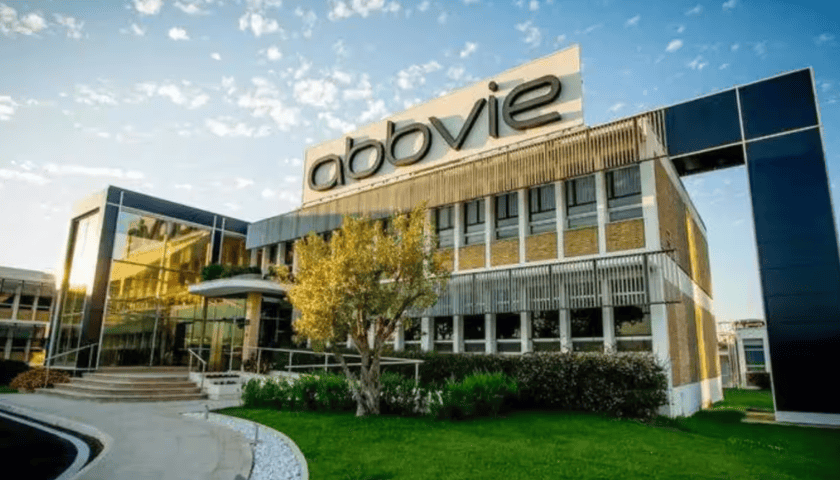
UK—AbbVie is expanding its research and development (R&D) operations in Oxford, UK, while securing a licensing agreement worth up to US$ 1.37 billion with Japan’s Nxera to develop a new inflammatory bowel disease (IBD) treatment, strengthening its investment in immunology and drug discovery.
The Oxford expansion forms part of AbbVie’s £ 120 million (US$ 161 million) investment in the UK life sciences sector.
The company will establish a 12,000ft² research facility at its existing Oxford campus, focusing on immunology, neuroscience and oncology.
The new site will expand AbbVie’s research capabilities and strengthen its presence in one of the UK’s established life sciences clusters.
Although AbbVie has not disclosed specific research programmes planned for the facility, Jon Sedwick, the company’s senior vice president and global head of discovery research, said the investment would support its human biology and reverse translation approach to drug discovery and development.
The expansion builds on AbbVie’s 2022 acquisition of Oxford-based DJS Antibodies for US$255 million.
The deal gave AbbVie access to DJS-002, an investigational lysophosphatidic acid receptor 1 (LPAR1) antagonist.
Kelly Sanderson Schrems, AbbVie UK’s vice president and general manager, said the investment reflects the UK’s scientific capabilities and its established research infrastructure.
She highlighted Oxford’s combination of academic institutions, clinical expertise and scientific talent.
She also welcomed the government’s recent commitments to supporting the life sciences industry, but emphasised the need to translate policy into improved patient access to innovative medicines and greater uptake of new treatments.
These measures, she noted, would support better health outcomes and strengthen the UK’s attractiveness for future research investment.
Nxera deal strengthens AbbVie’s immunology pipeline
Separately, AbbVie has entered an exclusive global licensing agreement with Japan-based Nxera for NXE0033744, an investigational small-molecule EP4 receptor agonist being developed to treat IBD.
Under the agreement, AbbVie will pay Nxera US$100 million upfront, with the Japanese company eligible to receive up to US$1.37 billion in development and commercial milestone payments.
Nxera is developing NXE0033744 to deliver gut-selective anti-inflammatory activity, potentially offering a differentiated treatment approach for patients with IBD.
In a Phase I study, the candidate demonstrated gut selectivity and target engagement, supporting its continued clinical development.
The agreement builds on an existing neuroscience discovery partnership between the companies, established in 2022 to develop G protein-coupled receptor (GPCR)-targeting medicines for neurological disorders.
The deal also supports AbbVie’s efforts to sustain its immunology business following the loss of market exclusivity for Stelara (ustekinumab).
Its successor, Skyrizi (risankizumab), has become an important growth driver, while additional pipeline assets could help broaden the company’s portfolio in inflammatory diseases.
UK seeks to strengthen pharmaceutical investment
AbbVie’s expansion comes as the UK government seeks to improve the country’s competitiveness as a destination for pharmaceutical research, development, and manufacturing through initiatives such as the Life Sciences Sector Plan.
The investment follows setbacks involving other major pharmaceutical companies.
In September 2025, MSD, known as Merck & Co in the US, abandoned plans for a £1billion (US$1.34 billion) UK R&D centre, citing concerns about the investment environment, including high medicine clawback rates and limited government support.
AstraZeneca also cancelled its planned £450 million (US$604.8 million) vaccine manufacturing facility following reductions in state funding.
However, industry investment indicators suggest some improvement.
A report by the Association of the British Pharmaceutical Industry (ABPI) recorded £2bn in investment commitments since September 2025.
Separately, the UK BioIndustry Association (BIA) reported that the country was on course to record its strongest year for biotech venture capital investment since 2021.
Be the first to leave a comment