
ADCAN Pharma signs five licensing and manufacturing deals at CPHI Milan 2026
The agreements cover cardiovascular disease, diabetes and oncology, with provisions for licensing, technology transfer and local manufacturing partnerships.
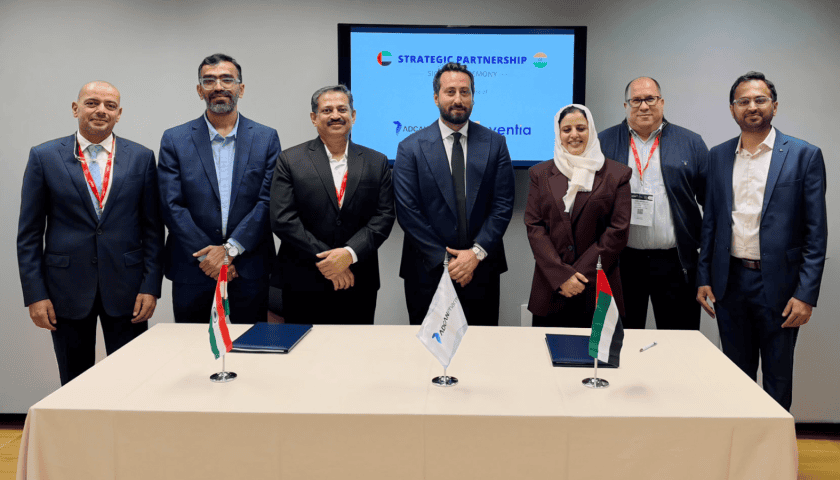
ITALY—ADCAN Pharma has signed five licensing and local manufacturing agreements and binding term sheets at CPHI Milan 2026, held in Milan from 6 to 8 October, to expand its medicine portfolio and strengthen pharmaceutical production across the Middle East.
The agreements cover cardiovascular disease, diabetes and oncology, with provisions for licensing, technology transfer and local manufacturing partnerships.
ADCAN Pharma said the arrangements would support its plans to produce critical medicines in the United Arab Emirates (UAE), Saudi Arabia and other Middle Eastern markets.
The partnerships involve five international pharmaceutical companies: Greece’s Elpen, Alvion and Genepharm; India’s Inventia; and Taiwan’s Lotus.
The company did not disclose the specific medicines covered by each agreement or provide a production timeline.
Partnerships target pharmaceutical localisation
ADCAN Pharma is pursuing the agreements as part of a broader strategy to expand local manufacturing capabilities and bring essential treatments closer to patients.
Licensing and technology transfer arrangements can let manufacturers access established pharmaceutical products, technical expertise, and production processes without developing every capability independently.
For the UAE and other regional markets, these partnerships could support efforts to diversify medicine supply sources and build domestic production capacity.
However, the extent of their contribution will depend on implementation, regulatory approvals, technology transfer requirements and the partners’ manufacturing commitments.
Hamdan Mohamed AlDahmani, Chairman of ADCAN Pharma, said the agreements reflect the company’s focus on establishing long-term partnerships that support local production and access to essential medicines.
He added that the company intends to prioritise patient access, transfer technical capabilities, and continue developing the UAE and the wider region’s pharmaceutical industry.
Dr Fokion Sinis, Chief Executive Officer of ADCAN Pharma, said the memoranda of understanding form part of the company’s localisation strategy.
“Through licensing and technology transfer, we aim to bring critical therapies closer to patients in the UAE while strengthening our capabilities across cardiovascular care, diabetes, and oncology across KSA and the Middle East,” Sinis said.
EDE highlights regulatory role
Dr Shaikha Al Mazrouei, Research and Studies Advisor at the Emirates Drug Establishment (EDE), said international partnerships in licensing, technology transfer and local manufacturing play an important role in developing the UAE’s pharmaceutical industry.
She said the regulator was committed to maintaining a framework that supports quality and compliance while enabling innovation, knowledge transfer and the competitiveness of medicines manufactured in the UAE.
Regulatory oversight remains central to pharmaceutical localisation because locally produced medicines must meet applicable quality, safety and efficacy requirements before they can enter the market.
Manufacturers and their partners must also address production standards, technical documentation and other regulatory requirements when transferring manufacturing processes between countries.
Local production aligns with UAE industrial priorities
ADCAN Pharma said the agreements complement the UAE’s efforts to expand domestic pharmaceutical production and strengthen medicine supply chains.
Initiatives such as Made in the UAE are intended to support local industry, while pharmaceutical localisation can help build technical expertise and manufacturing capacity.
For the regional pharmaceutical sector, the deals reflect the growing use of cross-border partnerships to combine established products and technical knowledge with local manufacturing infrastructure.
Successful implementation could expand the range of medicines produced closer to regional markets, although the companies have yet to disclose the individual products, investment commitments or expected production volumes covered by the five arrangements.


Be the first to leave a comment