Africa CDC launches integrated SPARK-NCD programme in Zanzibar
SPARK-NCD addresses undiagnosed high blood pressure or diabetes by improving monitoring systems, training a skilled public health team, and integrating chronic disease information into current national health systems.
Published
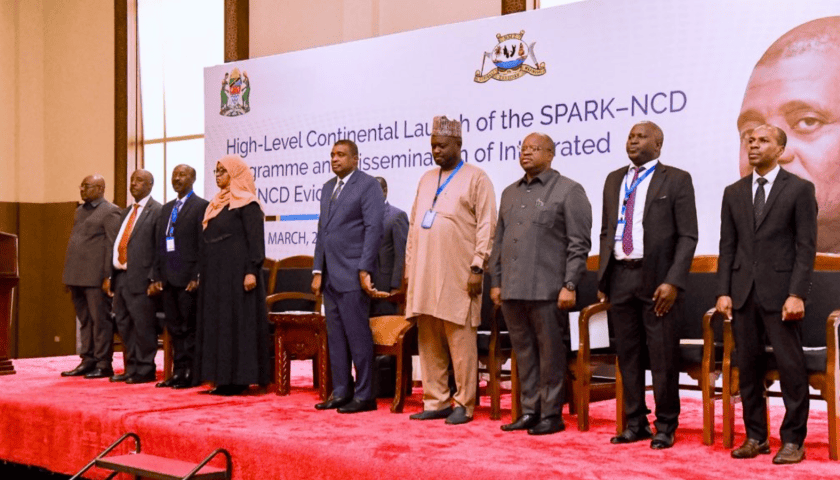
ZANZIBAR—The Africa CDC has unveiled a sweeping new program to tackle one of the continent’s most urgent health challenges: the explosive rise of non-communicable diseases such as diabetes and heart disease.
The Strengthening Public Health Surveillance and Resilient Knowledge for Non-Communicable Diseases in Africa (SPARK-NCD) programme marks a fundamental shift in how African nations approach chronic disease.
Nearly two million Africans die prematurely each year from complications related to hypertension and diabetes alone, yet only 10 to 20 percent of those living with these conditions receive regular care.
A critical gap in health systems
The initiative addresses a persistent problem plaguing health systems across the continent.
Surveillance systems for non-communicable diseases remain fragmented and underfunded in most African countries, leaving governments unable to effectively detect, monitor, or respond to the growing burden.
Millions of people live for years with undiagnosed high blood pressure or diabetes, while many others fall out of care entirely after diagnosis.
SPARK-NCD addresses this issue by improving surveillance systems, training public health workers, and integrating chronic disease information into the current national health systems.
Rather than creating parallel programs, the initiative works through platforms countries already operate, including the Field Epidemiology Training Programme.
Building on HIV success
The programme draws inspiration from Africa’s success fighting HIV, which demonstrated that integrated care models can work effectively.
Research from Tanzania and Uganda spanning over a decade shows that combining HIV and non-communicable disease services is both cost-effective and safe, improving patient access without compromising outcomes.
Community-based care models achieved comparable results while reducing costs and relieving pressure on health facilities.
For decades, HIV and chronic disease programmes operated separately, wasting resources and limiting the lessons learned from one crisis to benefit another.
SPARK-NCD breaks down these barriers by bringing multiple health services under one roof and delivering care closer to communities.
A turning point for African health
Speaking at the launch in Zanzibar, Dr. Raji Tajudeen, acting deputy director general of Africa CDC, described the programme as a strategic investment in Africa’s public health architecture.
He emphasized that SPARK-NCD will help countries move from fragmented data to actionable intelligence and from isolated programmes to integrated, patient-centered care.
The initiative aligns with the African Union’s commitment to whole-of-government and whole-of-society approaches to preventing and managing chronic diseases.
As life expectancy rises across Africa and health systems strengthen, non-communicable diseases now rank among the continent’s most pressing public health threats, driving premature death, disability, and economic hardship in communities already straining under the burden.
For Africa, SPARK-NCD represents not merely another health programme, but rather a decisive commitment to confronting the chronic disease crisis with urgency, scale, and African leadership.
Sign up HEREto receive our email newsletters with the latest news and insights from Africa and around the world, and follow us on LinkedInfor updates.




Be the first to leave a comment