

Australian researchers develop world-first rapid diagnostic for iron deficiency
The test is now being evaluated for use in Sub-Saharan Africa, where researchers hope it could become the first validated rapid diagnostic test for iron deficiency.
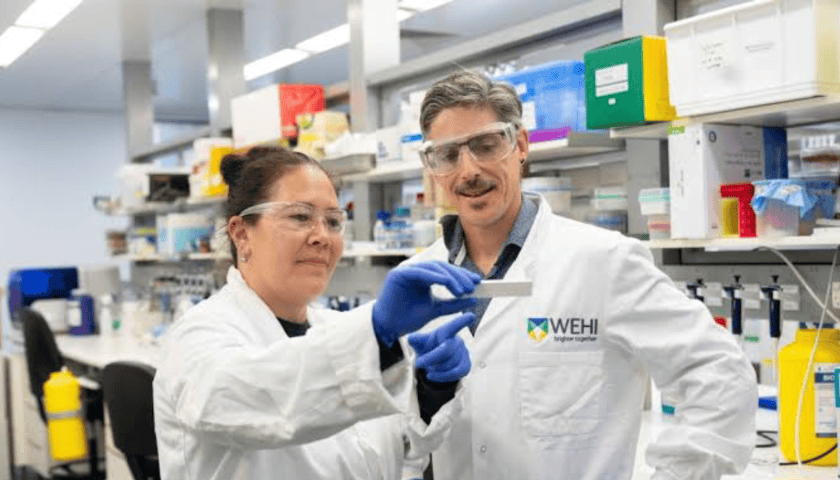
AUSTRALIA—Researchers at the Walter and Eliza Hall Institute of Medical Research (WEHI) have developed a point-of-care blood test that can detect iron deficiency in about 15 minutes, potentially improving diagnosis in settings where laboratory services are limited.
The test is now being evaluated for use in Sub-Saharan Africa, where researchers hope it could become the first validated rapid diagnostic test for iron deficiency.
The condition remains a major global health concern, particularly in low-resource settings, where limited access to laboratories, equipment and trained personnel can delay diagnosis and treatment.
The new test aims to overcome these challenges by delivering results at the point of care from a simple finger-prick blood sample.
It does not require specialised laboratory equipment, allowing healthcare workers to assess patients in settings where conventional diagnostic services may not be readily available.
Designed for clearer diagnosis
The test differs from some existing rapid ferritin tests by incorporating a built-in reference line.
According to WEHI, this feature is intended to make it easier for healthcare workers to interpret results and identify iron deficiency.
Researchers report that results from the test strongly correlate with those generated using gold-standard laboratory methods commonly available in high-income countries.
The test could therefore support quicker clinical decisions, particularly in maternal healthcare, where timely identification and management of iron deficiency can be important for women and their babies.
WEHI senior research officer Dr Emily Eriksson co-led the research team that developed the test.
“Iron infusions are among the most prescribed medicines in Australia—reflecting the prevalence of iron deficiency and availability of effective treatment options,” Eriksson said.
“However, simple methods to diagnose the condition remain largely out of reach for those living outside of high-income countries. Our test could close this health inequity gap and transform the lives of millions of women and babies around the world.”
Trials planned in Kenya and Malawi
The researchers are preparing the test for real-world trials in Kenya and Malawi.
The project will also involve contract manufacturing to international standards, supporting efforts to produce the test at scale if clinical evaluations show it is effective.
The planned studies will assess the test’s performance under routine healthcare conditions and generate evidence needed to support a potential regulatory approval pathway.
Researchers will also use the findings to inform future efforts to expand access to the diagnostic across resource-limited settings.
The evaluation is supported by the Children’s Investment Fund Foundation, while the broader project brings together collaborators from Australia, Kenya and Malawi.

Be the first to leave a comment