

Research, Science & Development
-

Merck advances EyeBio’s Remigromig in US trial for diabetic macular edema
Merck plans to present the BRUNELLO results at the American Academy of Ophthalmology Annual Meeting in New Orleans on October 10 and discuss the findings with regulatory authorities.
-
Daiichi Sankyo, Merck withdraw FDA BLA for lung cancer drug in US
The withdrawal changes the immediate US regulatory path for the ES-SCLC indication, but the ongoing Phase III programme provides the companies with another source of clinical data.
-

Mayo Clinic uncovers novel biomarkers for lung adenocarcinoma treatment success
Lung adenocarcinoma is the most common form of lung cancer and can occur in both smokers and people who have never smoked.
-
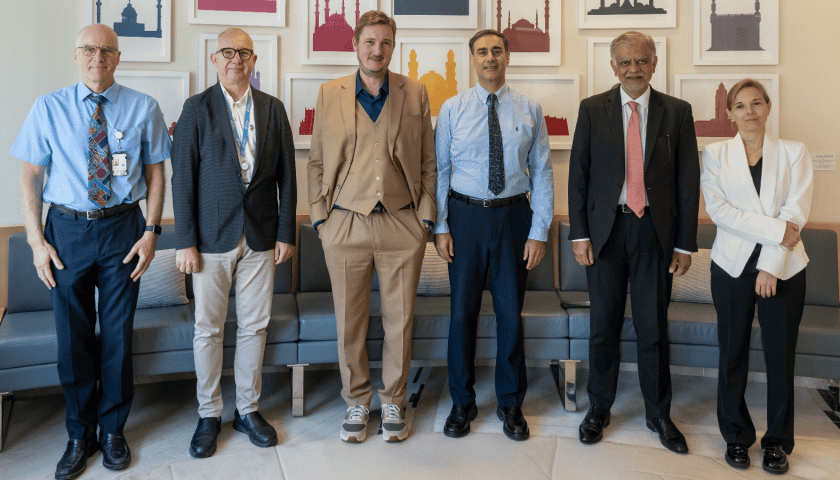
Sidra Medicine expands precision cancer care for children in Qatar through genomic research
Over the past five years, the program has expanded its molecular diagnostic capabilities and introduced expedited genomic oncology profiling to provide oncologists with timely information when treatment decisions are urgent.
-

Karl Landsteiner University Study finds sex differences in pacemaker outcomes after TAVI in Austria
TAVI is widely used to treat severe aortic stenosis, a condition in which narrowing of the aortic valve restricts blood flow from the heart.
-

Sidra Medicine advances genetic approach to predict cognitive decline
The researchers focused on polygenic risk scores, which combine the effects of multiple genetic variants to estimate a person’s inherited susceptibility to a disease. However, existing methods may overlook genetic information associated with disease risk.
-

ADI releases 2026 World Alzheimer Report ahead of major trial recruitment push
Researchers will need about 55,000 participants to support currently active studies.
-

OMRON marks 40 years of Ohasama Study advancing home blood pressure monitoring
Researchers from Tohoku University launched the study in 1986 under Professor Yutaka Imai in response to the high burden of hypertension and stroke in Ohasama, Iwate Prefecture.
-
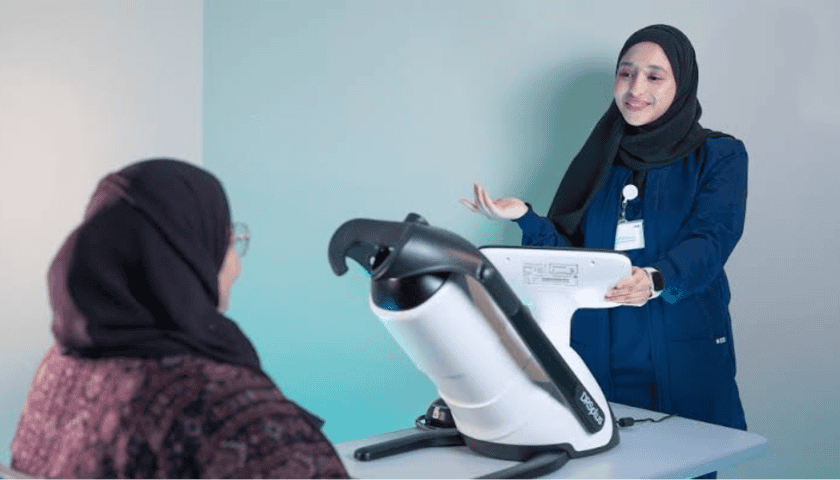
MBZUAI launches 25-year deep phenotyping health study in Abu Dhabi
The study will generate data that researchers can use to improve disease prediction, early detection, and prevention while supporting the development of more personalized healthcare.
-

China Medical System launches Silevimig Injection for rabies prevention in China
The rollout follows the drug’s approval in China in June 2026 and marks the start of its wider clinical use for people requiring urgent post-exposure protection against rabies.