Ethiopia to host WHO Africa Regional Committee meeting in Addis Ababa
More than 600 delegates are expected to attend the Region’s main annual forum for health governance and policymaking.
Published
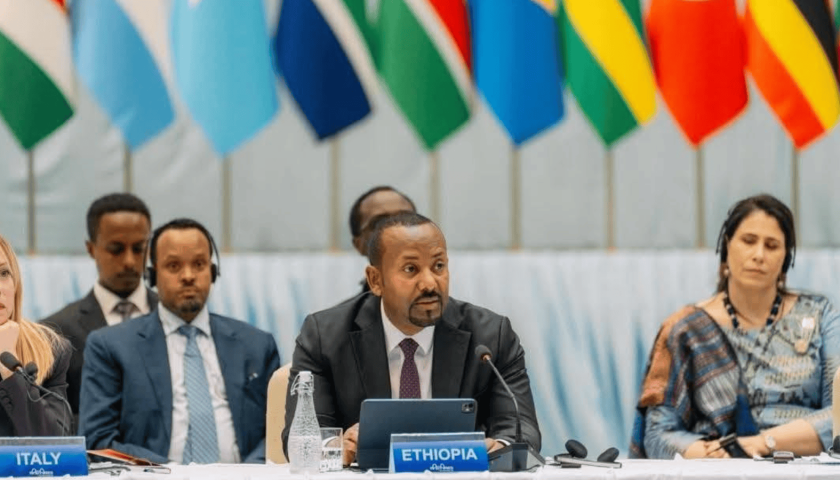
ETHIOPIA—The Government of Ethiopia, in collaboration with the World Health Organization (WHO) Regional Office for Africa, will host the Seventy-sixth Session of the WHO Regional Committee for Africa (RC76) in Addis Ababa from 24 to 28 August 2026.
The five-day meeting will bring together health ministers and senior officials from the WHO African Region’s 47 Member States, as well as global health leaders, development partners, donors, and representatives from WHO Headquarters, the Regional Office for Africa, and country offices.
More than 600 delegates are expected to attend the Region’s main annual forum for health governance and policymaking.
The Regional Committee, which governs the WHO Regional Office for Africa, meets annually to assess progress on regional health priorities, adopt policies and strategies, oversee WHO’s work across the Region and establish priorities for improving health outcomes.
Focus on health priorities
During RC76, Member States and partners will examine progress on key health priorities and consider regional strategies and resolutions aimed at strengthening health systems and expanding access to essential services.
The discussions will also focus on accelerating progress towards universal health coverage, improving health security, strengthening emergency preparedness and response, and addressing emerging public health threats.
In addition to the formal sessions, the meeting will include technical side events, exhibitions, bilateral meetings and public engagement activities.
These events will provide opportunities for countries and institutions to showcase health innovations, strengthen partnerships and exchange knowledge and experience.
Ethiopia’s health system in focus
Hosting RC76 will also give Ethiopia an opportunity to highlight its efforts to strengthen its health system and advance national health priorities in partnership with WHO and other stakeholders.
The country has expanded access to essential health services and worked to improve health system performance while responding to public health emergencies.
Ethiopia also recently contained a Marburg virus disease outbreak, highlighting efforts to strengthen its capacity to detect and respond to emerging infectious disease threats.
Addis Ababa’s role as a major diplomatic centre in Africa further supports its selection as the venue for the meeting.
The city hosts the African Union and the United Nations Economic Commission for Africa (UNECA), bringing together institutions that play key roles in regional cooperation and development.
Regional cooperation
Francis Chisaka Kasolo, WHO Representative to Ethiopia, the African Union and UNECA, said hosting the meeting demonstrates Ethiopia’s commitment to regional solidarity and collective action on health.
“Hosting the Seventy-sixth Session of the WHO Regional Committee for Africa reflects Ethiopia’s strong commitment to regional solidarity and collective action for health,” Kasolo said.
He added that the meeting would allow Member States to shape the Region’s health agenda, strengthen partnerships and accelerate efforts to build healthier, safer and more resilient communities.
The Ethiopian Government, WHO and their partners are preparing for the meeting, with activities focused on facilitating policy discussions, strengthening collaboration and supporting evidence-based decision-making throughout the session.
Sign up HEREto receive our email newsletters with the latest news and insights from Africa and around the world, and follow us on LinkedInfor updates.




Be the first to leave a comment