Gates Foundation commits US$15M to strengthen regional response to Bundibugyo Ebola outbreak
Health authorities have continued to emphasise coordinated cross-border surveillance, especially given the movement of populations between affected regions in DRC and Uganda.
Published
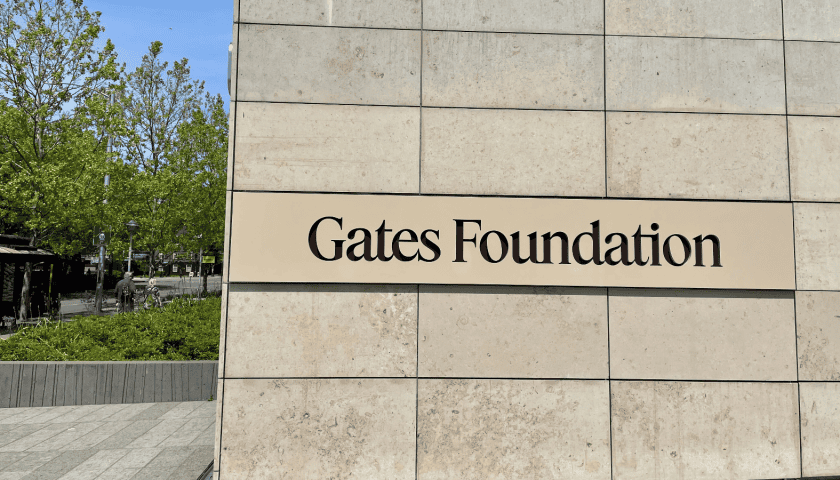
USA—The Gates Foundation has announced an initial commitment of US$15 million to support response efforts against the Bundibugyo Ebola outbreak affecting communities in the Democratic Republic of the Congo (DRC) and Uganda.
The funding aims to accelerate emergency interventions while strengthening coordination across national and regional health systems.
This support follows a recent pledge of US$2.5 million from the South African government, which channelled resources through the Africa Centres for Disease Control and Prevention (Africa CDC) Epidemics Fund to reinforce Ebola response operations across the region.
Targeted allocation to strengthen field operations
The Gates Foundation has structured the funding to ensure that resources reach frontline systems quickly and efficiently.
Of the total commitment, US$5 million has been allocated to Africa CDC to support regional coordination, rapid deployment of response teams, and cross-border surveillance activities.
A further US$ 5 million will go to the World Health Organisation Regional Office for Africa (WHO AFRO), where it will strengthen operational support to affected countries, particularly in scaling up outbreak control activities at the community level.
The remaining US$5 million has been directed to the WHO Headquarters to facilitate rapid procurement processes, diagnostic expansion, and surge logistics for essential response supplies.
Strengthening coordination through joint emergency frameworks
The foundation is also supporting the Joint Emergency Action Plan (JEAP), a collaborative framework between Africa CDC and WHO AFRO designed to streamline emergency response efforts.
The approach prioritises unified planning, improved communication, and faster decision-making to reduce duplication and enhance efficiency during health emergencies.
Health authorities have continued to emphasise coordinated cross-border surveillance, especially given population movement between affected regions in DRC and Uganda.
Recent operational updates from Africa CDC and WHO AFRO have highlighted ongoing efforts to scale up contact tracing, strengthen laboratory capacity, and improve infection prevention measures in high-risk communities.
Limited treatment options drive urgent public health action
There are no approved vaccines or specific therapeutics for Bundibugyo Ebola, which has shifted the immediate focus toward rapid case detection, strict infection control measures, and protection of frontline health workers.
Health partners are prioritising early isolation of suspected cases and community engagement to reduce transmission risks.
The Gates Foundation noted that it continues to invest in the development of vaccines, therapeutics, and diagnostics, including ongoing support to the Coalition for Epidemic Preparedness Innovations (CEPI), which works to advance global preparedness against emerging infectious diseases.
Africa-led response and ongoing regional efforts
Governments in DRC and Uganda, together with Africa CDC, WHO, and regional partners, are leading containment efforts while strengthening cross-border preparedness systems.
Coordination efforts are centred on the “one plan, one budget, one team” approach endorsed by African health authorities to ensure an aligned and efficient response.
In parallel, emergency teams continue to monitor the outbreak closely, with partners maintaining readiness to scale up additional support as the situation evolves across affected and neighboring areas.
Sign up HEREto receive our email newsletters with the latest news and insights from Africa and around the world, and follow us on LinkedInfor updates.



Be the first to leave a comment