Ghana, WHO convenes strategic rotavirus surveillance review in Koforidua
The vaccine has averted over 1.8 million cases and reduced rotavirus-related hospitalizations by 42 percent.
Published
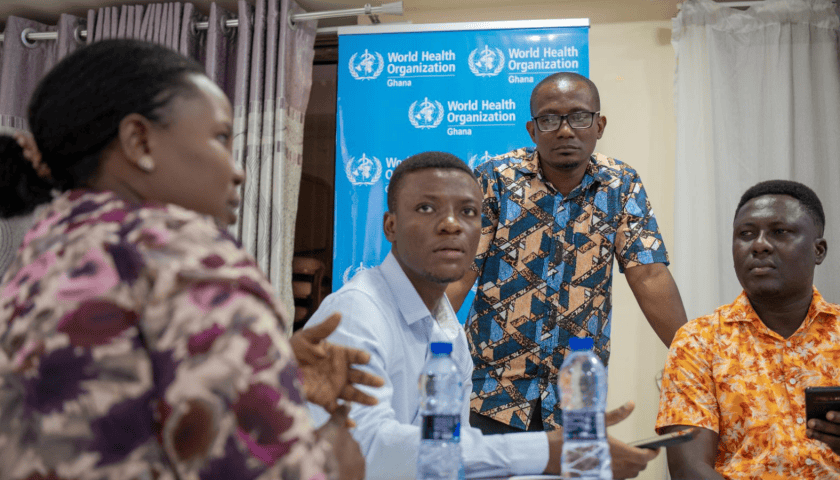
GHANA—The World Health Organization (WHO) has convened a rotavirus surveillance review meeting in Koforidua, bringing together surveillance focal points from collaborating health facilities across Ghana.
Participants included representatives from the sentinel site at Komfo Anokye Teaching Hospital (KATH), the Regional Reference Laboratory at the Noguchi Memorial Institute for Medical Research (NMIMR), and the Ghana Health Service (GHS).
The meeting comes as rotavirus surveillance continues to demonstrate the positive impact of vaccination in Ghana.
Rotavirus remains a leading cause of severe diarrhoeal disease among children under five years globally, and sustained surveillance remains essential to maintain vaccine effectiveness and guide policy decisions.
Significant progress since vaccine introduction
Ghana introduced the rotavirus vaccine in 2012, achieving remarkable results.
The vaccine has averted over 1.8 million cases and reduced rotavirus-related hospitalizations by 42 percent.
These gains rely on sentinel surveillance systems anchored at two sites, including KATH, which WHO helped establish in 2008.
The KATH site, together with five affiliate hospitals, enrolls children under five years with acute gastroenteritis for laboratory testing and strain characterization.
Performance has improved consistently, with enrollment rates increasing from 84 percent in 2024 to 86 percent in 2025.
Over 96 percent of stool samples were collected within 24 hours in both years.
Addressing operational challenges
The Koforidua meeting provided a platform to examine three-year performance trends, validate data, and develop context-specific strategies to overcome operational bottlenecks.
These challenges include intermittent ELISA test kit shortages, data entry inconsistencies, and shipment delays.
Dr. Michael Rockson Adjei, New Vaccine Initiative Officer at WHO Ghana, emphasized the critical role of surveillance during the opening session.
“Introducing a vaccine is only the beginning. What sustains impact is strong, reliable surveillance,” he said.
He noted that data generated from the sentinel site informs both Ghana’s immunization program and global evidence on vaccine performance, strain circulation, and future vaccine design.
Understanding strain circulation
Professor Emmanuel Addo-Yobo, the KATH site coordinator, highlighted the importance of laboratory quality and strain characterization.
“Beyond detecting rotavirus, we are interested in understanding which strains are circulating and whether they are changing over time,” he explained.
He stressed that timely sample shipment and consistent availability of test kits represent scientific necessities rather than mere operational details.
Participants engaged in in-depth discussions focused on integrating sentinel surveillance into routine hospital systems and strengthening immunization data documentation for enrolled children.
Health facilities shared practical lessons on improving case identification, documentation, and collaboration between clinical and laboratory teams.
Building stronger systems
Jacqueline Tawia, a nurse at Asokwa Children’s Hospital, reflected on the meeting’s value.
“This meeting has helped us understand how our documentation and timely sample collection contribute to national and global health decisions,” she said.
The review strengthened coordination among WHO, KATH, NMIMR, and GHS to address operational challenges and to improve the integration of rotavirus surveillance into routine health systems across Ghana.
Sign up HEREto receive our email newsletters with the latest news and insights from Africa and around the world, and follow us on LinkedInfor updates.




Be the first to leave a comment